I’ve been making a lot of pie lately. This is due to several reasons.
First, there’s something deeply satisfying about pie. With only a few ingredients — butter, fruit, sugar, flour … real ingredients — there’s no room for fluff. It’s solid food, without airs or pretense.
It’s like this. If houses were desserts, layer cakes and cookies would be the sleek, magazine-worthy kitchens with svelte barstools and stainless steel wine rcks and granite countertops and paneled refrigerators. Pies, on the other hand, would be the old stone farmhouse kitchens with uneven, wide-plank wooden flooring, thrown-wide windows, worn braided rugs, enamel sinks, and jelly jars crammed with wild flowers. Both are functional and pleasing, but the farmhouse kitchens (i.e. the pies) are more simple and down-to-earth. And charming.
Second, pie is versatile. Fill it with cheese, meats, and veggies and you have a one-dish main course. Tumble in some fruits and you’ve got a bright, sweet-tart dessert. Leftovers hold up well at room temp (if the filling is non-dairy) and make for great additions to packed lunches. Also, pies are great breakfast fare. Basically, if you have pie, you’ve got it all.
Third, I’ve streamlined the pie-making process — this is the real reason we’re suddenly eating so much pie. Now, a fresh pie is about the quickest dessert I can make. Seriously! Why just the other night, supper was already half-cooked when I decided I wanted pie for dessert and, not ten minutes later, I had one in the oven. You could practically see my halo.
So. Here’s what I do.
1. I make pastry almost weekly but, instead of freezing the disks, or letting them sit in the fridge until I get the urge to make pie, I go one step further: I roll out the pastry and put it in the pie plates (I have a bunch; I prefer 9 or 10-inch plates) and crimp the edges. Once the pie shell is fully chilled — I don’t want to mush my crimps (sometimes I even flash-freeze it to ensure it’s sturdy enough) — I slip it into a large plastic bag (2½ gallon ziplocks work great) and transfer it to the freezer. (If you don’t have extra freezer space, then just freeze the disks. Or get a freezer.)
2. There are many ways to top a pie — a pastry lid is classy, and there are a multitude of crumb recipes — but I’ve landed on a basic crumb topping that seems to work with almost any fruit pie (and would probably be fantastic on muffins, too). I make a double or triple batch and then freeze the crumbs in little containers, each container holding enough crumbs for a single pie.
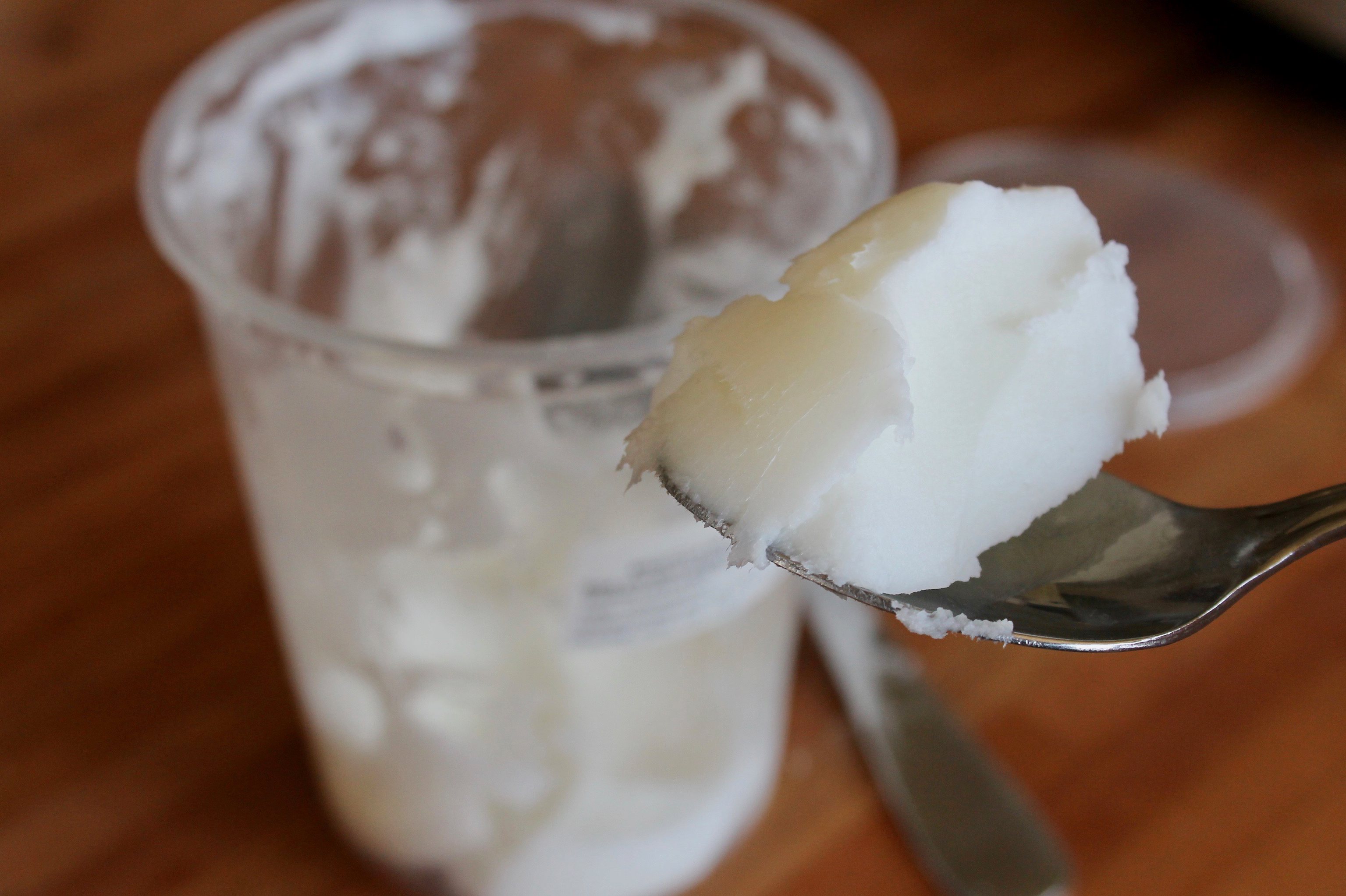
3. Recently, I’ve improved my standard pie pastry. I’ve upped the portions — and added some whole wheat and a touch of lard: I think the lard makes it flakier, though I could be imagining things — so now I get three pastries from each recipe. Voila, more pie!
quiche: just look at all that gorgeous flakiness!
With pie shells and crumb toppings always at the ready, when I decide I want pie, the only thing that’s left to do is the filling. And that couldn’t be easier, really. Just several cups of fruit, some sugar, lemon zest, and a thickening agent of some sort (a bit of flour, instant tapioca, cornstarch), and the pie’s in the oven.
And that is why — and how — we are eating so much pie.
more red raspberry: we loooove red raspberry
Other tips for daily pie:
*For ultimate bottom browning, bake pies on the bottom rack of the oven.
*Bake your fruit pies to death. For real! As long as the crust isn’t burned, keep baking. Go as long as possible. Bake, bake, bake, bake, bake.
*Underfill the pie shells. This does three things:
One, it prevents the pie filling from bubbling over and causing this:
Two, it gives the pie pastry room to shrink down to meet the filling, providing more space for the pastry fat to bubble without overflowing to the oven floor.
Three, with the pastry edge shrinking down the inside of the pan, the crimped edges are less likely to burn, allowing the pie to have more time in the oven to get nice and toasty brown.
*If you do have an extra full pie, never fear. Just stick your most enormous cast-iron skillet in the oven to preheat. When it’s hot, carefully set your pie down in the hot skillet. (Pro tip: to make sure your pie pan fits in the skillet with enough room for your precious fingers, do a test run with a cold skillet.) The cast iron conducts heat much better than other baking pans, allowing for a gorgeous brown bottom and catching any overflow from the pastry fat and/or pie filling.
See all the sizzling fat?
*Go easy on the fruit. In fact, in the case of pie, less fruit is often better, especially when the filling is super rich and flavorful, as it is with red raspberry or grape. The only fruit this isn’t true for is a apples (as long as you’re using fresh apples and not a cooked apple filling.)
apple
*The fruit: mix it up. The other day I (or one of my daughters, actually) rough-chopped a few small granny smiths, and then I added a handful of frozen rhubarb and, for color, a few frozen cranberries. Another time I mixed a couple cups of frozen-and-thawed strawberries (leftover from a waffle brunch) with rhubarb. (Oh wait, that was for a rhubarb crunch, but still — same idea.) I often toss sour cherries with rhubarb or blueberries.
*Keep a couple tubs of good vanilla ice cream on hand — Costco’s Kirkland brand is our favorite — since there’s nothing like a scoop of ice cream to elevate a warm piece of pie.
apple, rhubarb, cranberry
Need some more inspiration? Here are a few of our favorites: apple, blueberry, peach, rhubarb, sour cherry, cranberry, blackberry, grape, pear, red raspberry.
Have at it!
Basic Pie Pastry
This formula is inspired by a baking friend (the same one who tipped me off on the whole wheat sourdough).
I just eyeball the lard. And there is room for a little flexibility with the other ingredients, too; at least, I’m kind of spotty with the measurements.
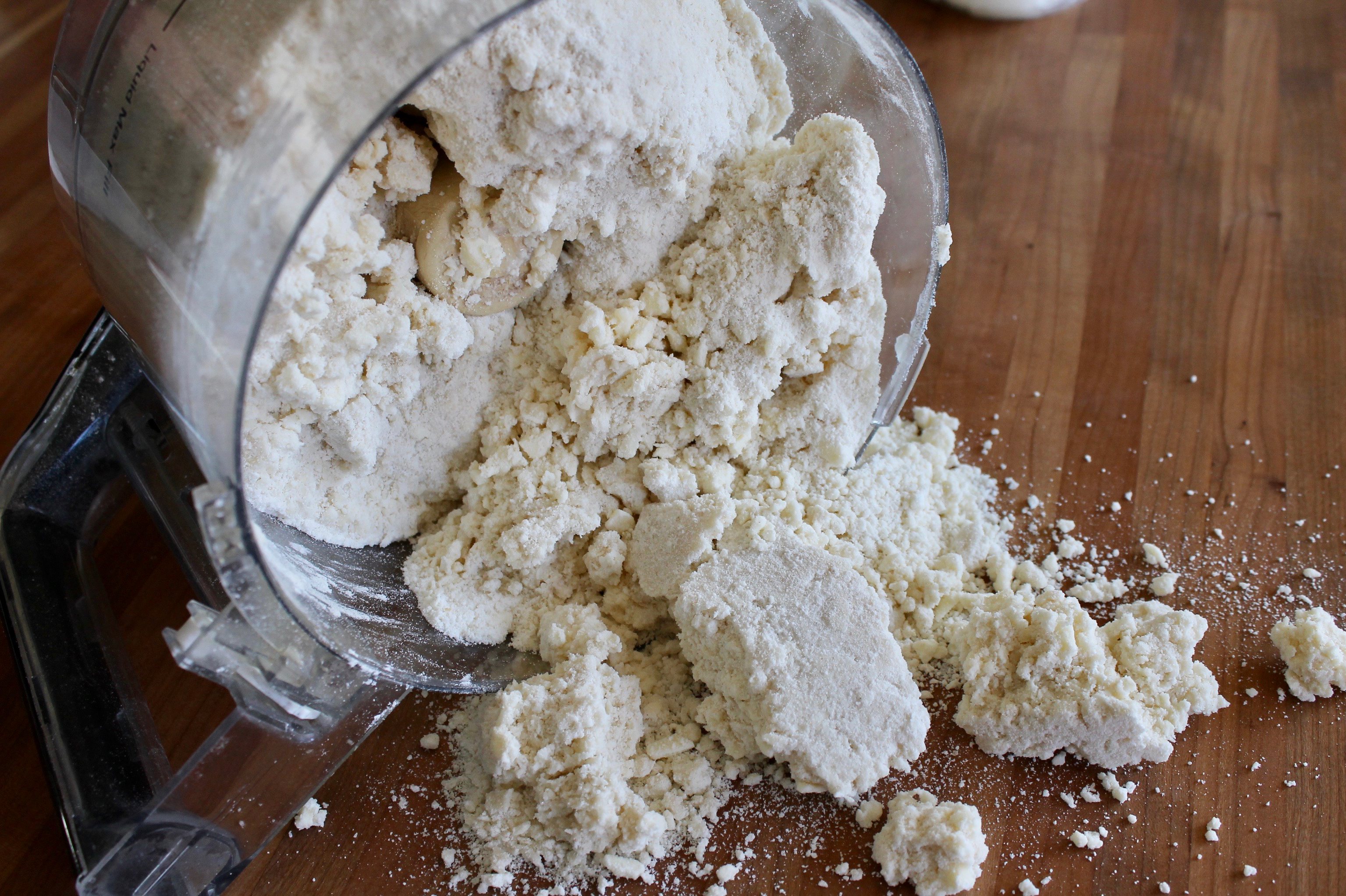
Also, this makes a very dry pastry — it feels impossible, so powdery and crumbly, but it means the crust will be super flaky and delish.
3 cups all-purpose flour
1 tablespoon sugar
1 teaspoon salt
2 tablespoons whole wheat pastry flour
2 tablespoons cold lard
2 sticks and 5 tablespoons salted butter, cold and cut into pieces
⅔ cups cold water
Pulse the first four ingredients together in a food processor. Add the lard and butter and pulse briefly until the fat has incorporated but still has some pea-and/or-cherry sized chunks. While the processor is running, pour the cold water through the spout. Pulse a couple more times to incorporate.
Dump the pastry onto a clean counter and divide into three piles. Gently press each pile into a disk, placing the leftover dry crumbs on top of each disk.
Wrap each disk in plastic wrap and place in the fridge for a couple hours, or a day or two, to chill.
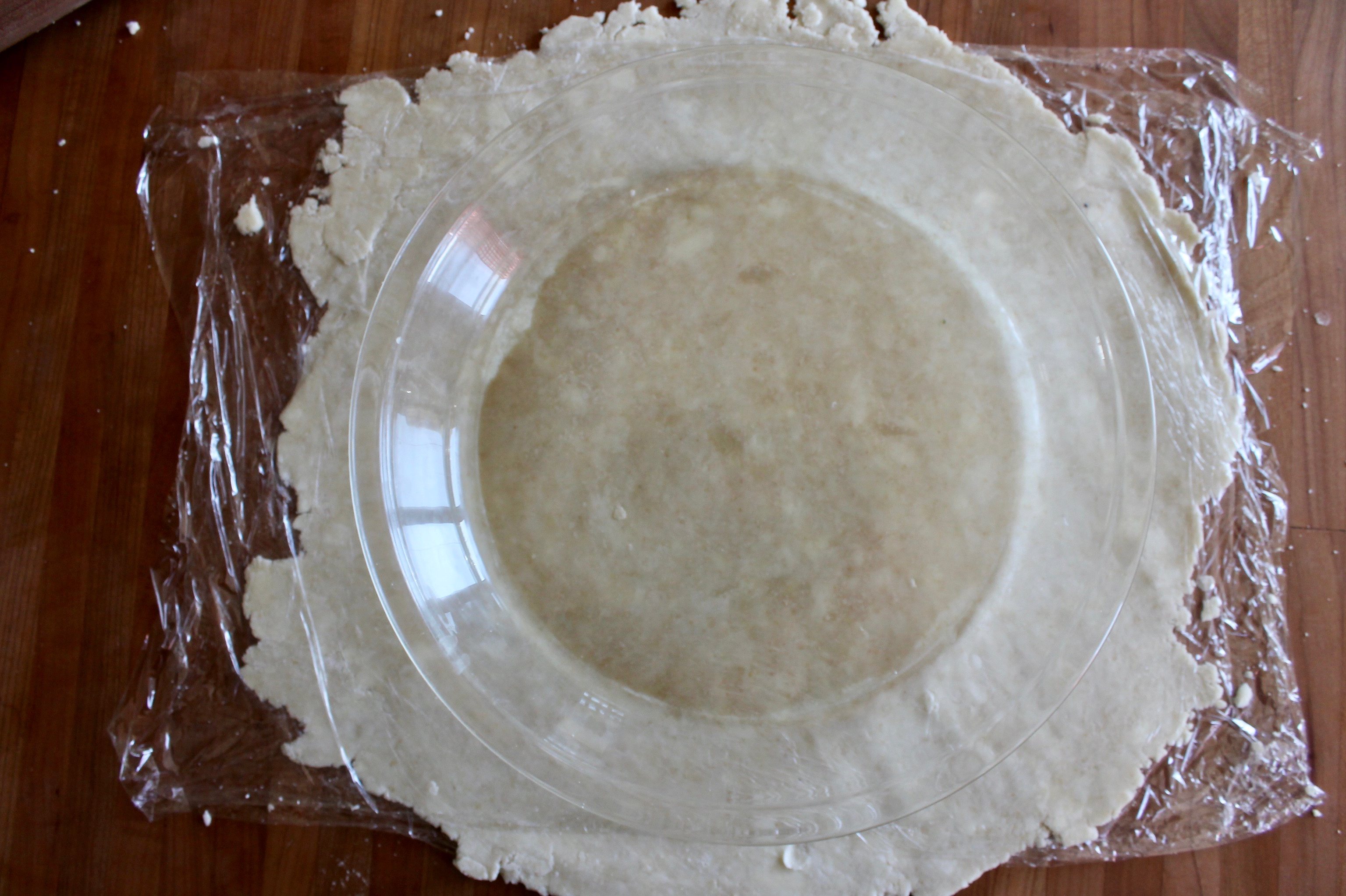
Before rolling out the pastry, allow the disks to rest at room temperature for a half hour. Roll out the pastry between two pieces of plastic wrap. Because the plastic tends to stick to the pastry, trapping the dough and preventing it from rolling out, periodically peel off the plastic and flip the whole pastry-and-plastic to facilitate the rolling process.
Checking to see if I’ve rolled the pastry big enough.
Transfer the pastry to a pie pan — I’m partial to glass because it allows me to see if the bottom of my pie is browning sufficiently. If the pastry is getting soft, chill it in the fridge before attempting to crimp.
Trimming off the excess pastry and tucking the edges under.
Chill the pastry (or flash freeze it) so the crimping doesn’t mush before bagging and freezing your pastry-lined pie pan.
To bake: while the oven is preheating, remove the pastry from the freezer. Fill it as you wish and then slip it into the oven. It’s okay if the pan is still icy-cold — the cold helps the pastry retain its shape.
Note: Sometimes I like to blind bake my pastry a little, just to firm up the bottom crust, even if the recipe doesn’t call for it. (I almost always do this for baked custard pies, like pumpkin or sweet potato.) It’s my insurance against the dreaded soggy bottoms. To blind bake, simply line the inside of the pastry with a piece of aluminum foil, firmly pressing it along the bottom and up the sides and over the edge, holding the pastry in place. Pour pie weights (or dried beans) into the bottom and bake at 425 degrees for 5-8 minutes. Remove the tinfoil and weights and bake another five minutes. Add the prepared pie filling and bake as normal.
Crumb Topping
This is the same crumb topping I use for grape pie, just multiplied. As far as crumb toppings go, this one is on the sparse side: it’s enough to cover the pie, but not too thickly. I actually prefer a lighter crumb topping — the crumbs bake through better (no one likes soggy crumbs), and with fewer crumbs, rather than dominate the fruit, they showcase it.
1½ cups flour
½ cup each brown sugar and white sugar
12 tablespoons butter
Mix everything together with your fingers until sandy and crumbly (or use a food processer). Divide the crumbs into four containers, label each “crumbs for 1 pie,” and freeze.
This same time, years previous: the best fix, what it’s like to write full time, let’s pretend this isn’t happening, the quotidian (4.21.14), nutmeg coffee cake, therapy, my lot, what they really want.