• more on trash

    Like I said before, trash is everywhere.


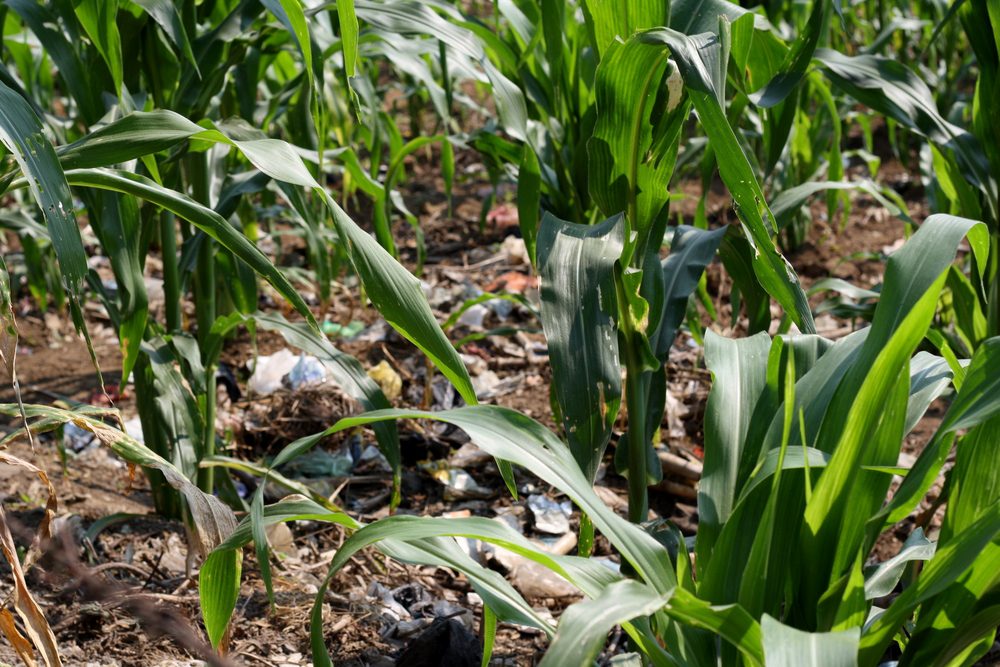
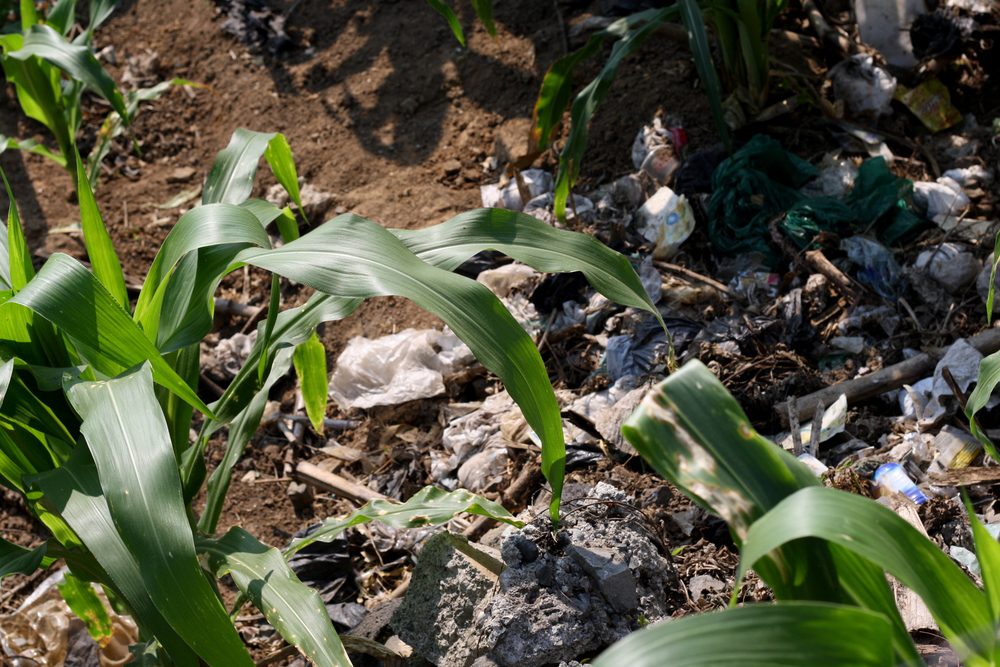
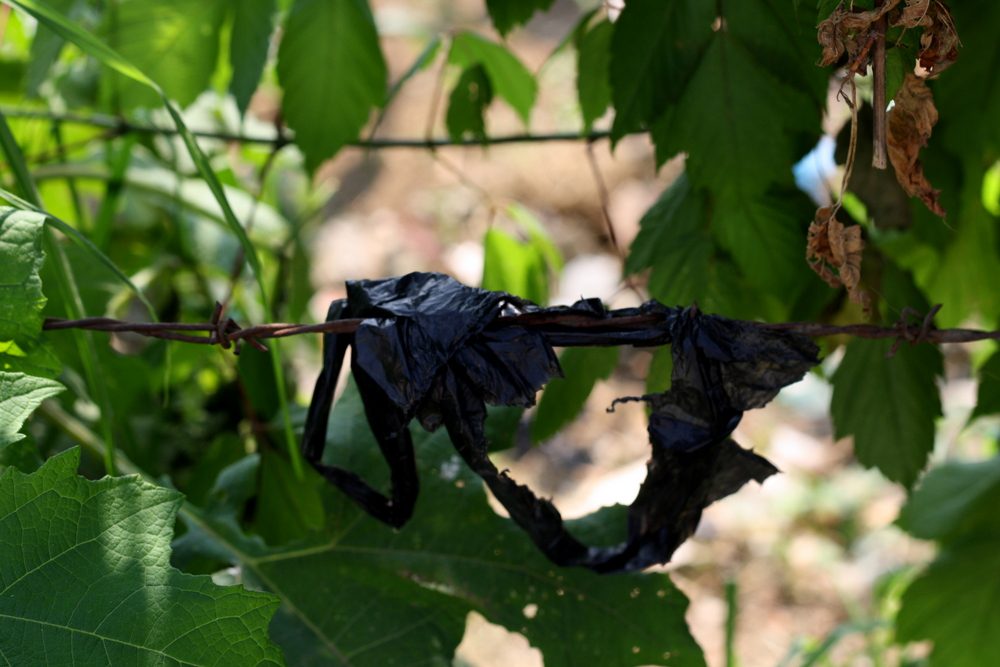
    It lines gutters, clutters yards, and peppers the roads. It covers cornfields like mulch.

    When we first arrived, pre-corn season, we noticed empty, trash-filled lots on our walks through town. Time passed and we noticed farmers planting corn in the lots. They didn’t clean the lots before planting—rather, they simply pushed the trash to one side, poked holes in the ground, and dropped in the seeds.
     
    And the corn grew, tall, strong, and brilliant green, right up through its blanket of plastic mulch.

    ***

    in a non-littering moment

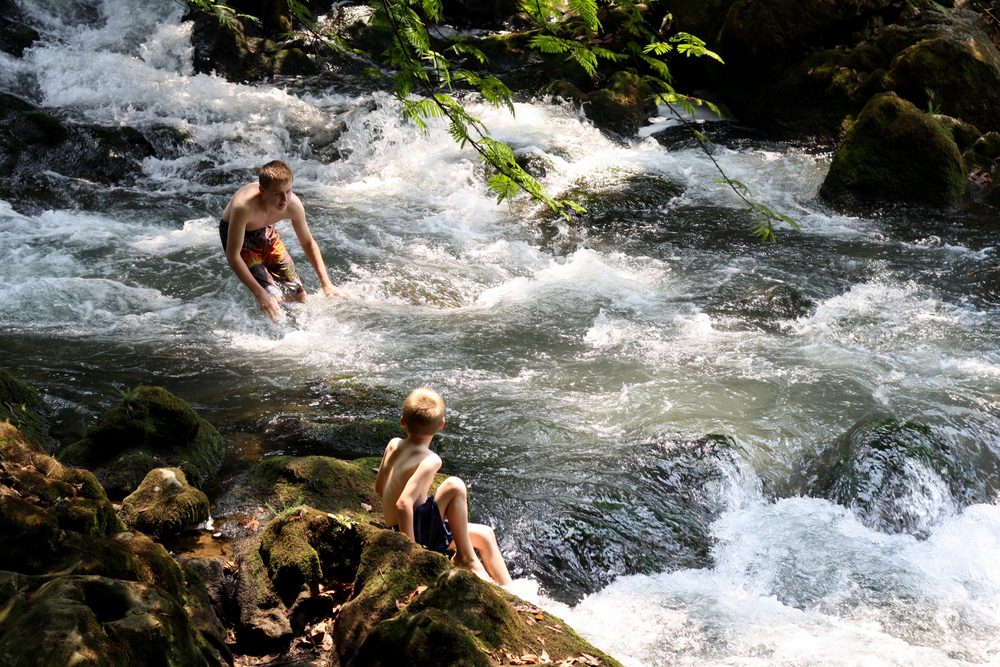
    At a gorgeous local park, the kids found a Styrofoam plate at the water’s edge. So they set it afloat and off it whooshed. I had a minor hissy fit and made the main culprit pick up and appropriately dispose of five pieces of trash as penance. It felt like an inane activity, but I refuse to participate in the littering customs.

    ***

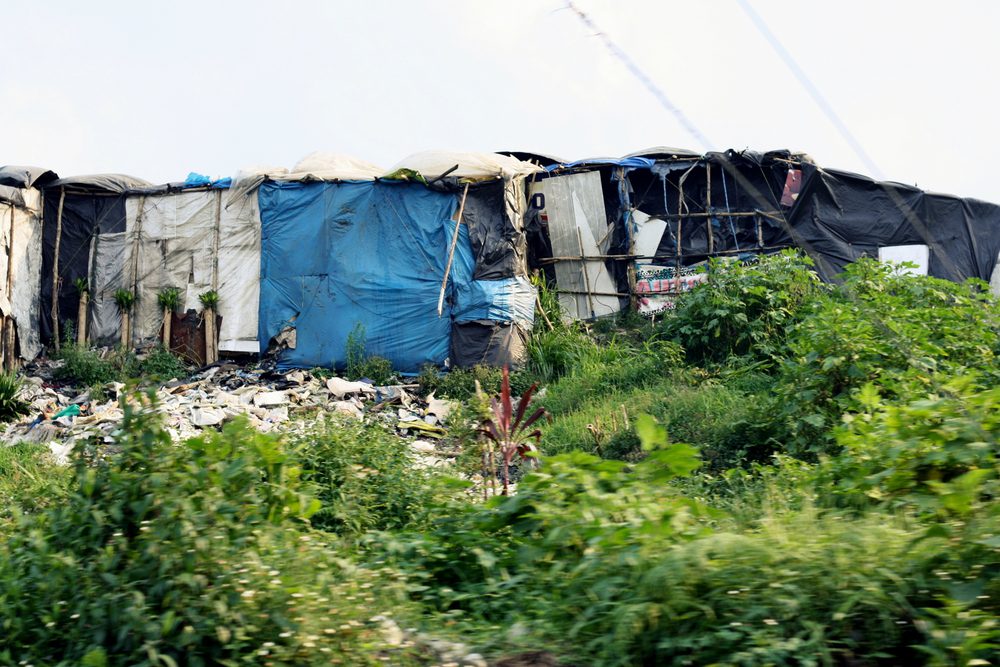
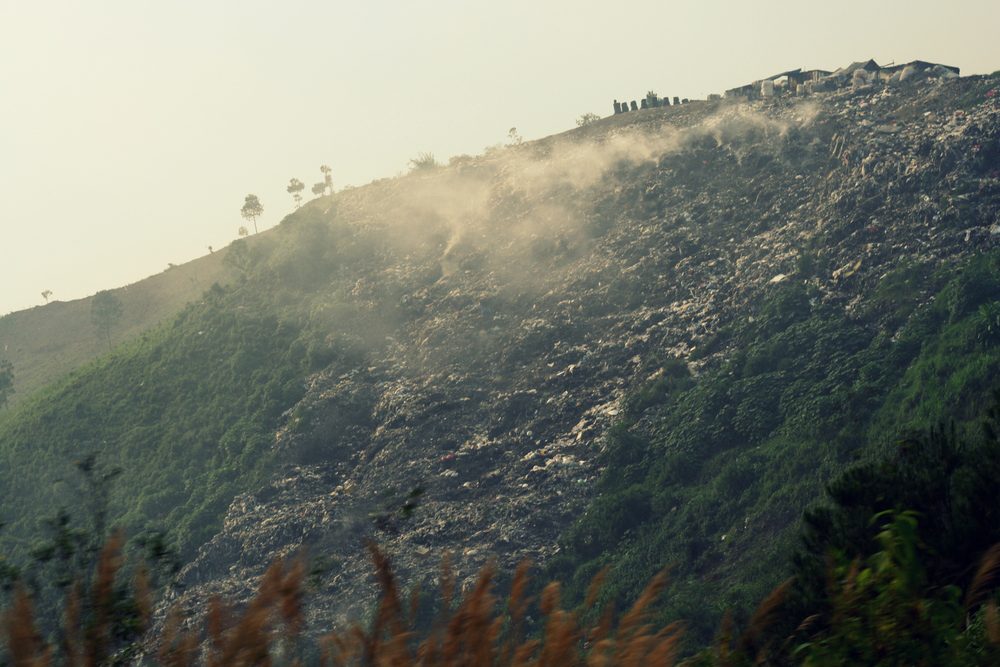
    While hitching a ride in a friend’s private car, we zipped by the dump.

    the workers’ houses

    do you see the workers? the vultures?

     
    I still want to go back some early morning and get more than just a handful of blurry drive bys.

  • the basics

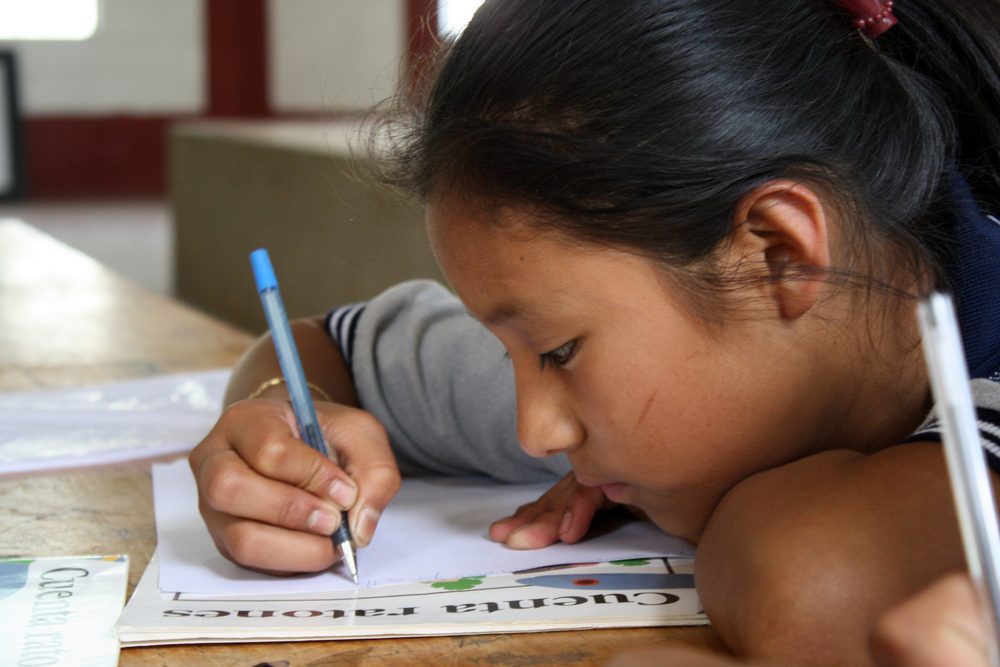
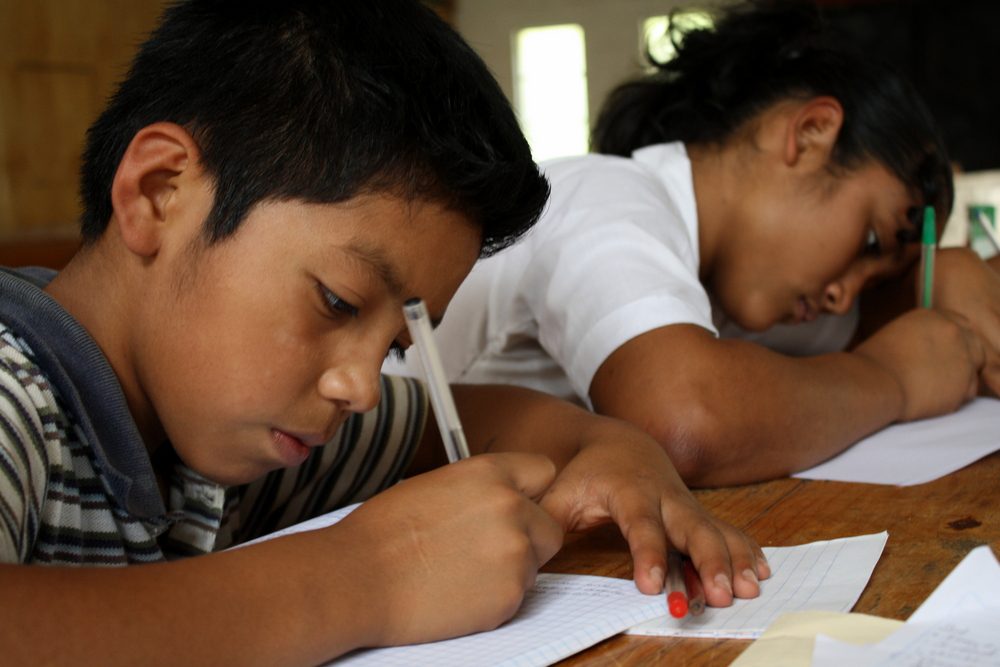
    On Wednesday and Thursday afternoons, I hold tutoring classes at Bezaleel. I have two groups, each with five students. In our allotted hour we do the basics: reading, writing, and arithmetic.


    These are all first year students—the equivalent of 7th grade in the US. Most of them come from rural areas where their indigenous language is their primary tongue. Their schooling has been spotty, and they aren’t up to par with basic (low) educational standards. When they come to Bezaleel, they struggle.

    At first I wasn’t sure how I’d approach the classes. I’d be giving the kids more attention, but it wouldn’t be one-on-one—what small group activities could I use to meet each child where she was at?

    My mother has spent the last year working with “behind” students at a couple elementary schools in her area. Her techniques have been highly effective (the school directors are totally impressed), so I asked her what I should focus on. Reading, reading, reading, came the reply.


    So we read together. The school library has three stacks of children’s books, about two-thirds of which are in Spanish. When there are duplicate books, I pass them out and we read around the circle. If there’s just one book, I read it to them. I was delighted to discover that they have some of my favorite children’s books: Alexander and the Horrible, No Good, Very Bad Day, Frog and Toad, Corduroy, and Curious George, among others.

    The students listen to the stories, spellbound. They laugh at the funny parts. Watching them make a connection between words and pleasure is about the most gratifying thing ever.

    I asked one group of students if their parents could read. Half of
    them said no. Only one girl said her house had any books in it.

    No books in your house. Can you imagine?

    Nope, me neither. If only I had piles of books and we could spend hours reading together!

    But alas, the supply is low, so I space the reading out—several books at the beginning of the hour, maybe, and an extra fun book to end with. In between I have them do freewriting drills and journaling. We practice addition flash cards and count red beans in three piles of five and three piles of six and so on, to illustrate multiplication. We play games like Dutch Blitz and Spot It. Anything to give their minds a workout—that’s my goal.


    We meet in the school’s auditorium, and while it works, I find myself longing for my own office/classroom. I can see it perfectly. It’d be a small room, but there would be a window. In the middle of the room would be a wooden table surrounded by a handful of chairs. There would be maps on the wall, a whiteboard, and shelves filled with books, puzzles, markers, and games. A cozy lamp would sit on my desk. Students would come in for tutoring sessions, or to ask questions about their homework, or to play games, or to draw, or to talk. It’s not going to happen, I know—no space, no resources, but mostly because we’re only here for a few more months—but still, it’s fun to dream…
  • the trouble with Mother’s Day

    Mother’s Day has always made me uncomfortable. The festivities felt hollow. Forced, maybe. Too hallmark-y. But I could never put my finger on why I felt so squirmy, so I just brushed it off as some weird Jennifer-ism.

    And then last week two things happened—or, rather, I made two observations—and it clicked.

    First, at my children’s mother’s day program (which involved inordinate amounts of butt wiggling, lip-synching, and flowery moms-are-awesome prose), all I could think of was our two sweet neighbor boys whose parents are in the middle of a divorce and who are living with their Grandma and aunt instead of their mama. I don’t know any details, but I sense there’s a good bit of pain. So while I watched those boys bouncing around on stage, chorusing “We love you, Mama!” with all the other kids, all I could think of was the hole in their lives.

    Second, all day long on Sunday, May 12, my Facebook feed was flooded with beautiful pictures of people with their mothers. It made me sad, a little, because my mom is so far away and we’re missing each other. But that’s okay—separations are sad and sadness is life and all that.

    What struck me as odd were all the posts acknowledging the children without mothers, the mothers without children, and every possible combination in between. The posts were poignant and spot-on. Mothering is painful and rich and wretched and holy. How we have been mothered, or not, and how we have mothered, or not, hits our core, hard.

    I’m glad that people are acknowledging all the ways a person can mother and be mothered. The definition of mothering should be broadened. I am grateful that in my church the mothers aren’t asked to stand on Mother’s Day.

    In no other holiday do we spend so much time acknowledging and apologizing to the people whose hurt is extra pronounced because of that special day. The other holidays—Christmas, Thanksgiving, Easter, New Year’s, Forth of July, you name it*—aren’t about us. Those holidays are broader. They’re about something beyond us. We are invited to enter in, but we aren’t the reason for the celebration. Uteruses don’t have any say in the matter.

    I love being appreciated as much as the next person, maybe even more. I’m certainly not above milking the day for all it’s worth (hello ice cream maker and deck furniture!). But why not celebrate our mothers on our birthdays? Because that’s the day—the day they pushed us into the world, or laid flat on their backs while we were evacuated through the sunroof, or signed the adoption papers—that’s the day that makes the most sense, me thinks.

    I expect I’m an anomaly with my squirmy idiosyncracies (am I? am I??). I don’t foresee Mother’s Day ending anytime soon. So I’ll continue to accept my children’s handmade cards and savor the opportunity to put my feet up a little extra long on that Sunday in May. And every May I’ll feel awkward about all the mother honoring going on—not because mothering shouldn’t be celebrated—but because it’s done at the expense of highlighting other people’s grief and pain.


    That’s all.

    *I lump Valentine’s Day in the same boat with Mother’s Day: Hallmark-y and shallow. But there’s something different, more carnal, about the mother-child bond. You can pass through a string of lovers (though I don’t recommend it), but not children.

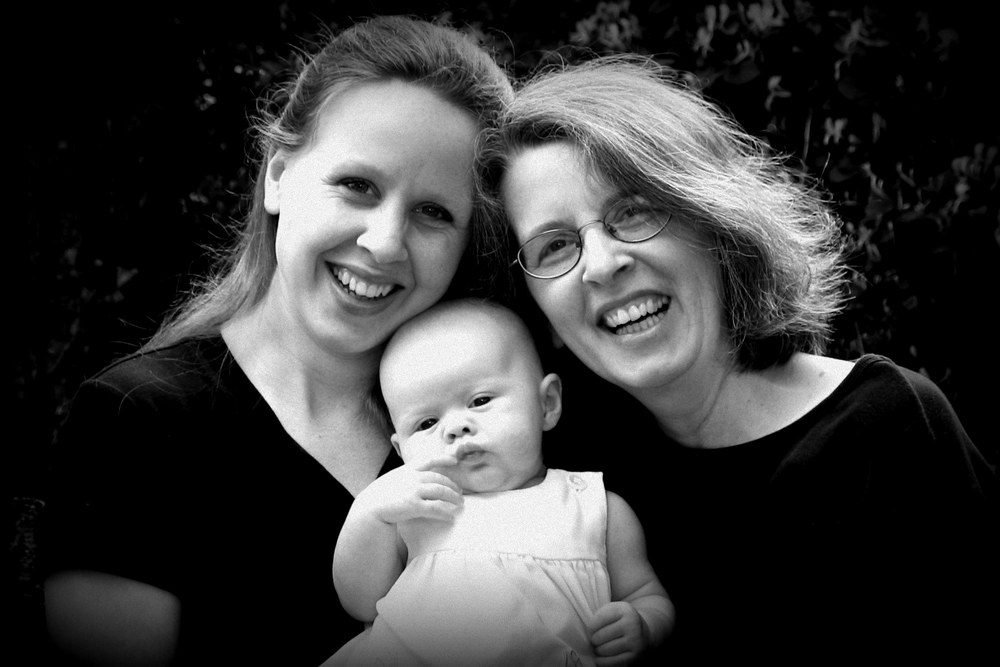
    Ps. Excuse the semi-weird-looking photos of my younger daughter. My mother’s the one that pointed this out. She looks “a little sick there,” she said. Thanks, Mom.