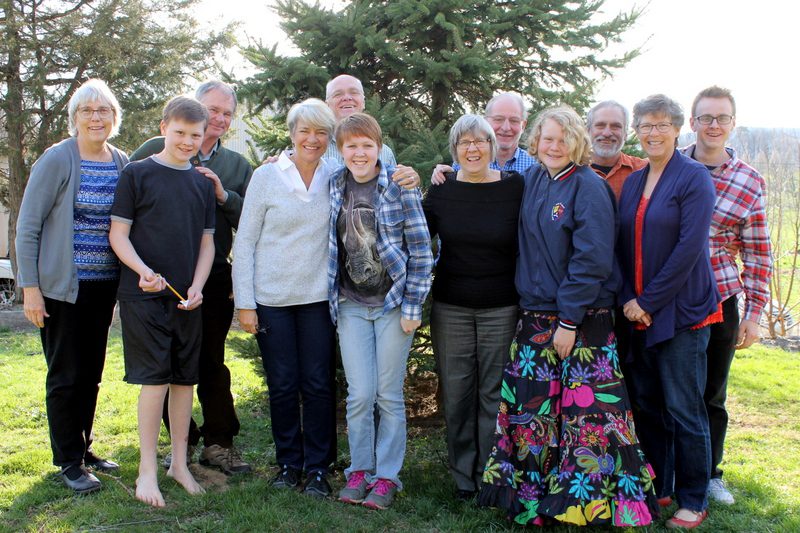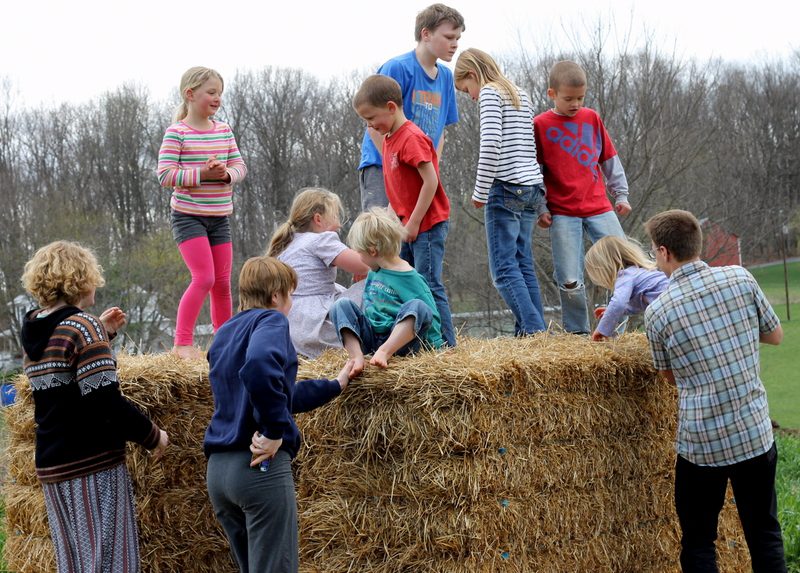
This week, in a move that has, I’m afraid, made pretty much everyone second-guess our sanity, I invited my cousin’s four little kids, ages three to ten, to come stay with us for a week right before we take off for Puerto Rico.
Actually, the kids were supposed to come last week, but then when MDS asked us to attend the leadership training, we had to push the cousin visit back a week. I knew we’d be fine, though: a week of training, a week of kids, a week of packing, no problem.
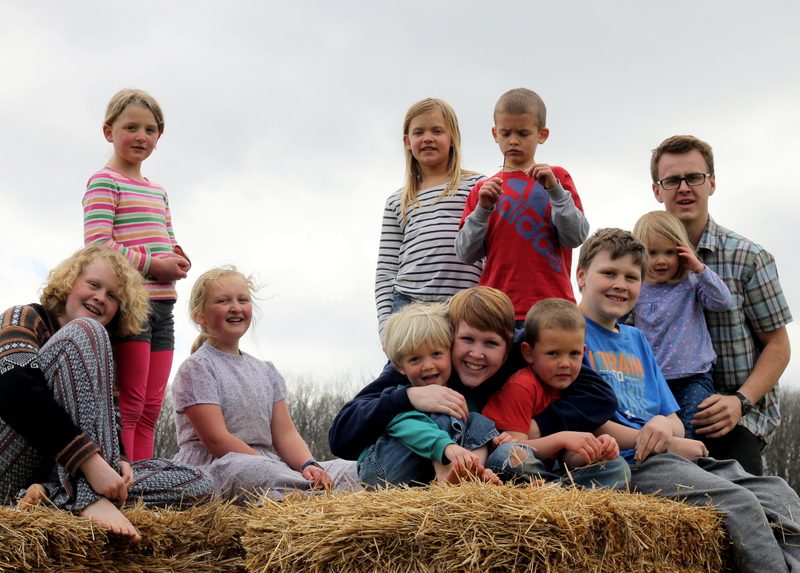
Besides, everyone knows that the best fix for feelings of overwhelmed-ness is to just add a whole lot more crazy, right?
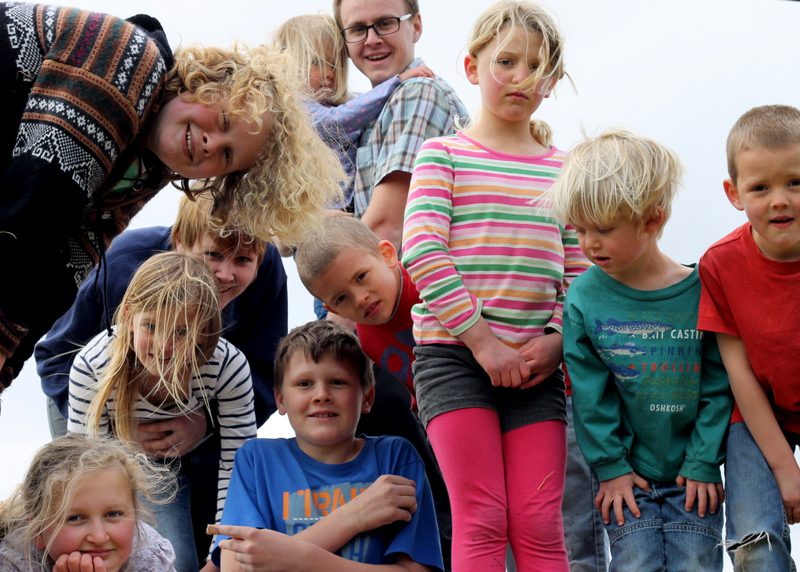
Seriously, though. We are having so much fun! The children are absolutely amazing — curious, cheerful, independent. There have been zero discipline issues and no signs of homesickness. It’s been a dream, truly.
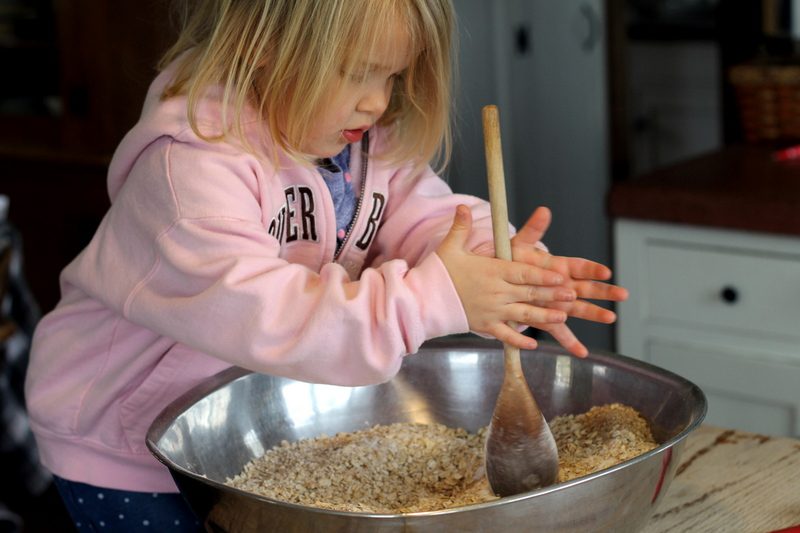
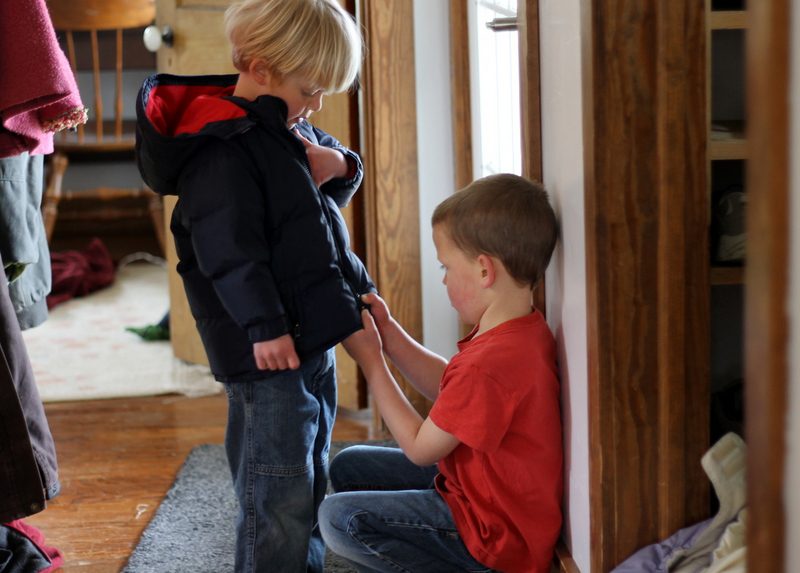
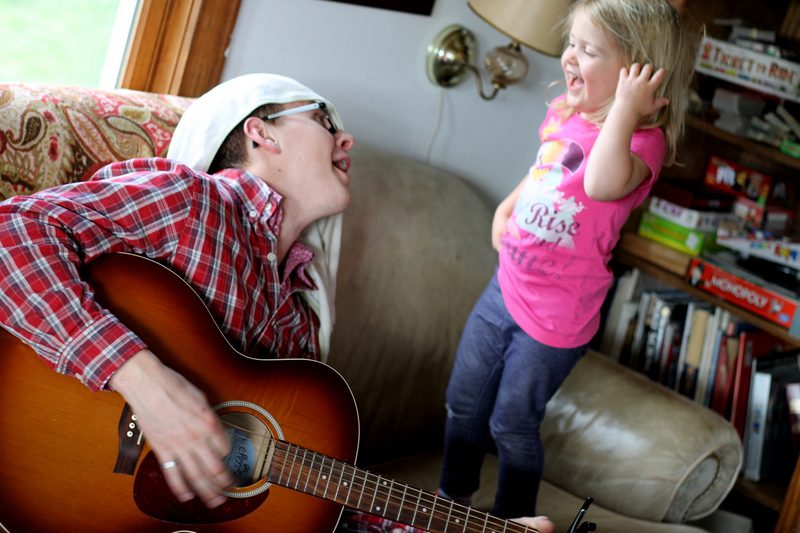
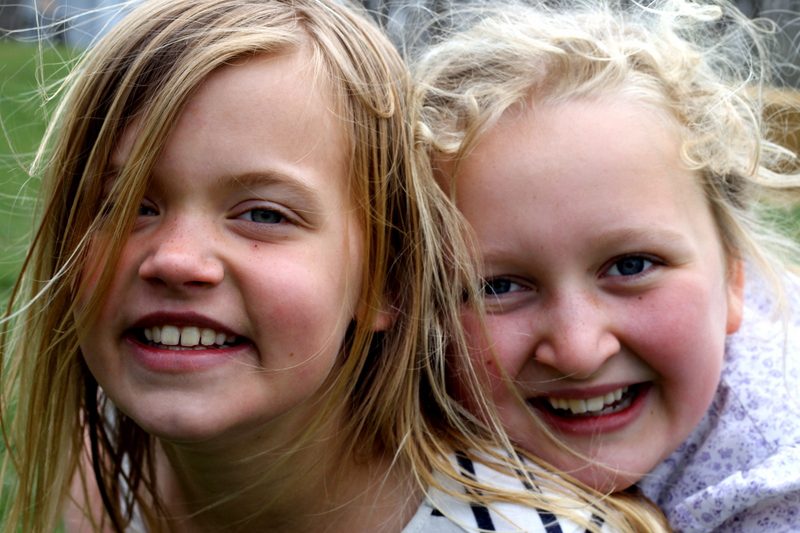
From part of an (edited) email I sent their mother this morning, their fourth day here:
There is a Lego station in our room (can’t walk in there), and the kids are on a paper airplane kick. On Wednesday night we took all four of them to the final dress for Jonathan’s play. The night before was Taco Tuesday at church. Also, we went to the library, and yesterday we made a trip to Costco. They spend hours on the trampoline. They are great eaters and they sleep like champs. The little one has cried a handful of times, but it’s always very brief and usually has to do with not finding the right shirt or having someone buckle her in when she wanted to do it herself. She is so cuddly, in and out of my lap all the time.
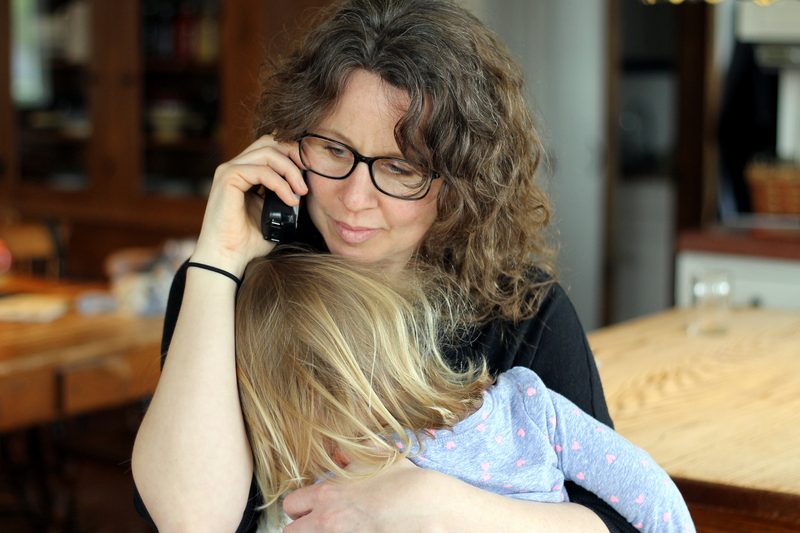
aaaaand she’s out!
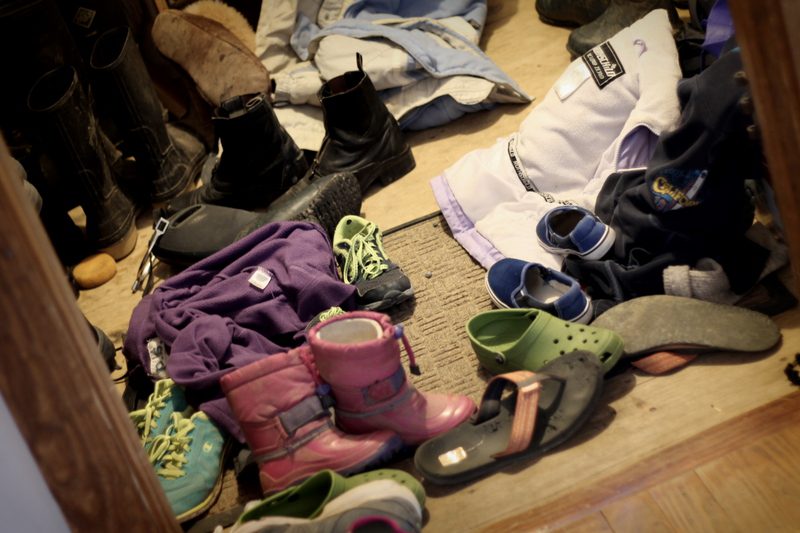
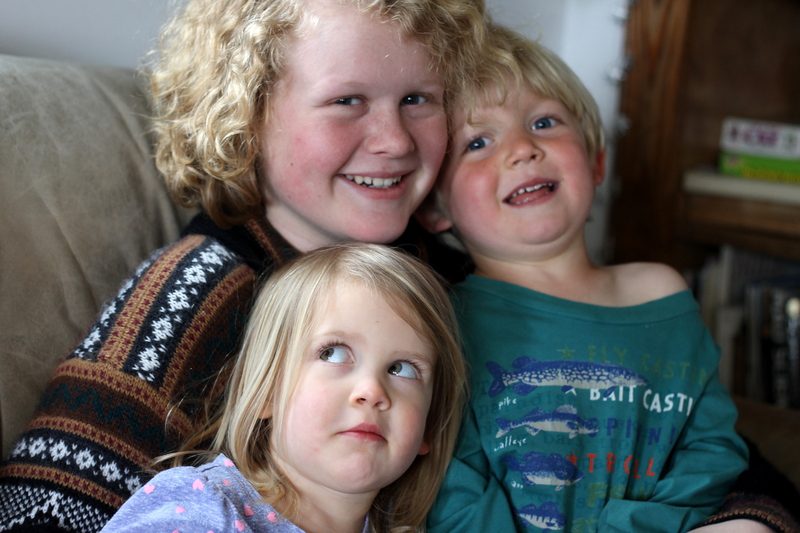
The number of children in the house hovers right around ten, though it has, on occasion, touched twelve. My brother’s kids have popped over a couple times, plus my son’s friend is in and out. This morning the neighbor kid wandered in and I walked past him without even noticing. When I did see him — “Oh hey, you’re here! — I told him to leave his shoes by the door and then walked off.
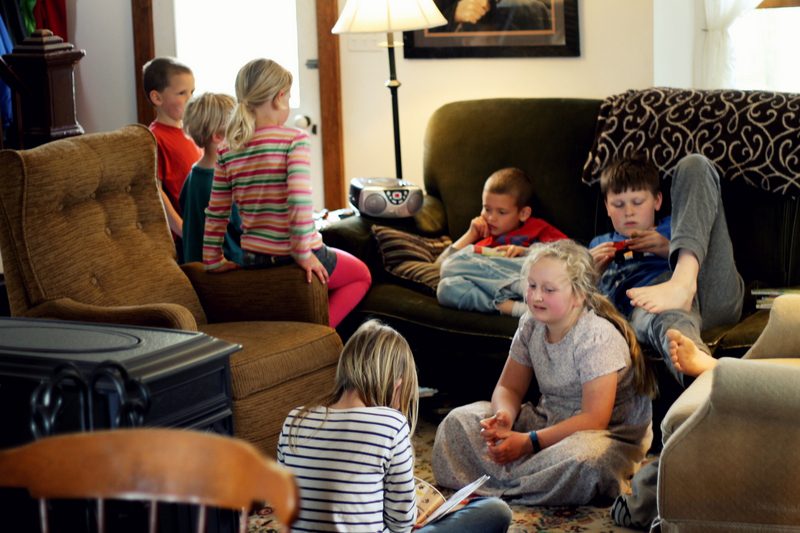
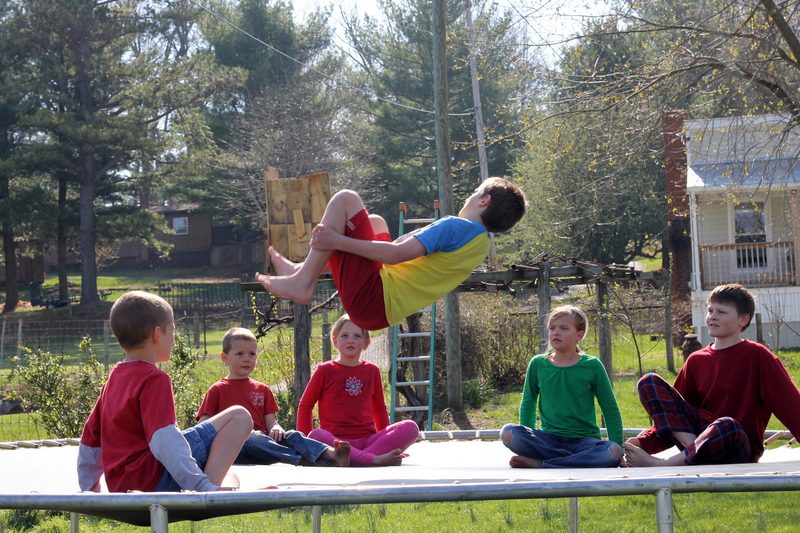
The first night the cousins were here, I pointed out to my husband that this would be our family if we’d continued to have a child every two years, can you imagine?? When I told my kids — this could be us — they were all suitably impressed.
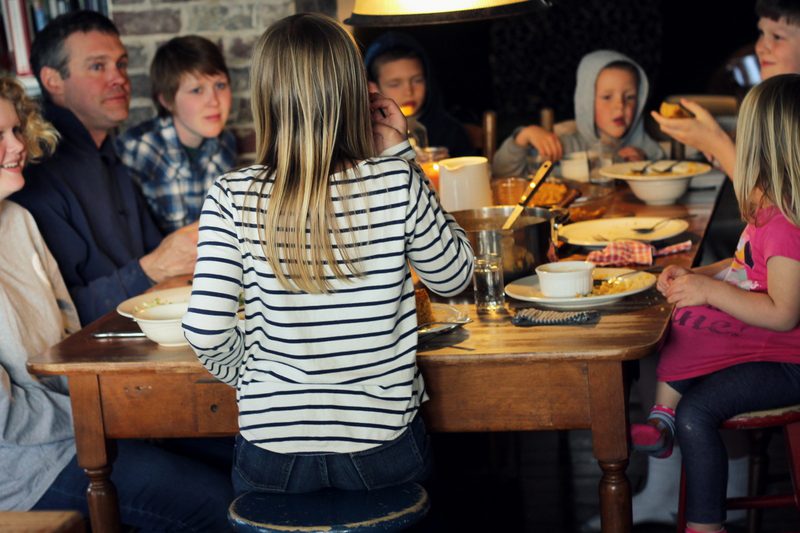

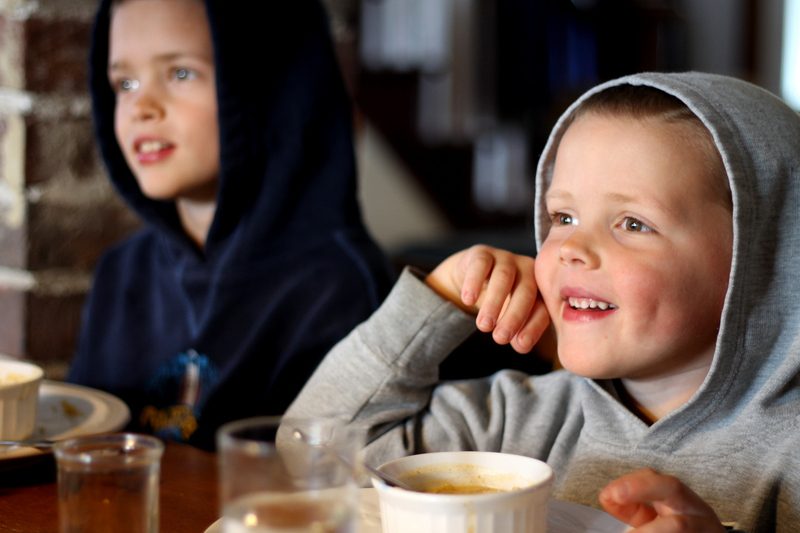
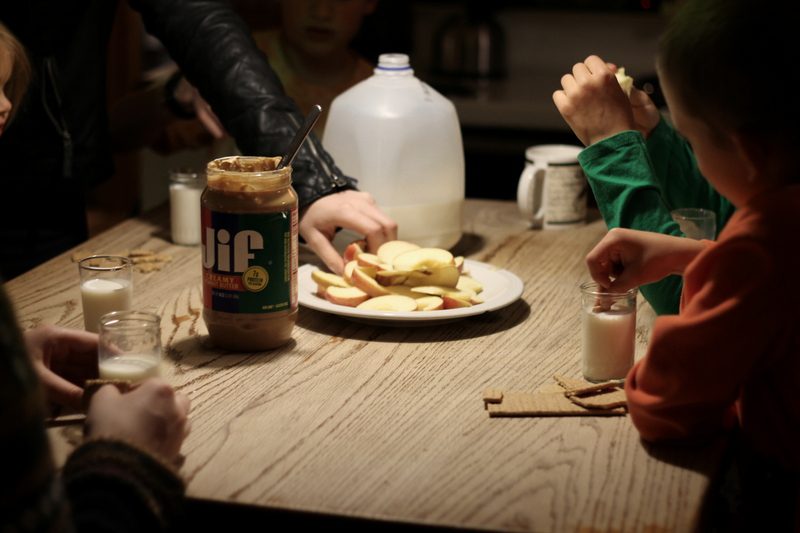
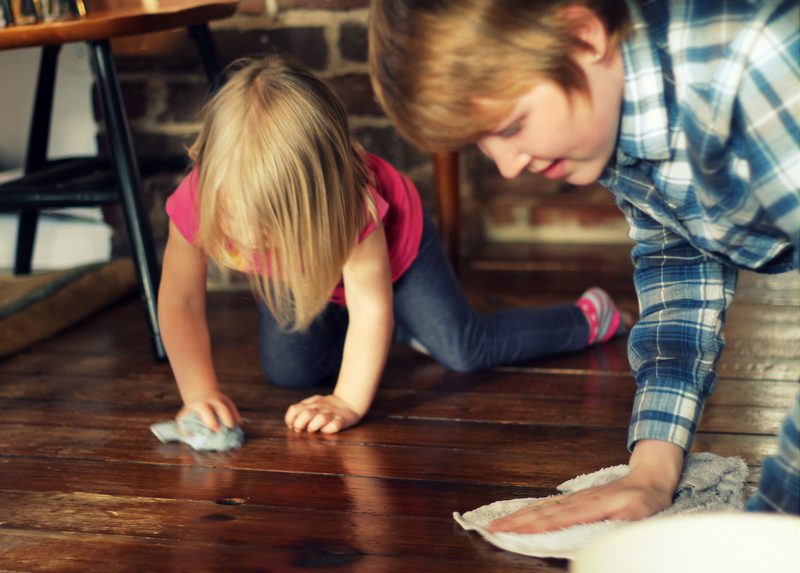
My kids have had to up their game. They’ve been washing boatloads of dishes, providing around-the-clock entertainment, doing lots of tidying up, serving snacks (about which my older daughter was gleeful: It’s been years since we’ve had snacks!), and playing games.
My younger daughter has relocated to the guest room to sleep with the girls, and the boys have set up camp on my sons’ bedroom floor (when my younger son’s friend comes to spend the night, there are five boys in there, oof). I thought this week of cousins might cure my younger daughter of her persistant wish for foster siblings, but when I checked in with her this morning, she assured me that she still wants foster kids, “Because we’d get a baby, Mom, not actual children.” And so I give up. Because I am not about to borrow a pack of babies to make a point.
This afternoon, the children are over at my parents’ house. Tonight there will be pizza for supper, and then we’ll have a movie and popcorn, and maybe bedtime stories. And then, once everyone is in bed, my husband and I will cozy up on the couch with Netflix.
If I can keep my eyes open, that is.
This same time, years previous: what it’s like to write full time: an experiment, the quotidian (4.20.15), the quotidian (4.21.14), loose ends, therapy, chocolate ice cream, bacon-wrapped jalapenos.