• fresh strawberry cake

    I miss cooking.

    Most mornings, in the hurry-scurry to get to work, a bowl of cereal and granola is all anyone wants, and evenings are reserved for leftovers or silly suppers — because workers at the jobsite get a big Puerto Rican noonday meal, my family often isn’t hungering after a big dinner. When I do cook, it’s often for our family plus volunteers, so I keep it simple: spaghetti, roasted veggies and sausages, taco salad. It’s kind of boring.

    Plus, there’s the heat to consider, though I’ve been doing my best to ignore it. When running the oven sends the kitchen temps soaring into the low 90s, denial is the best coping mechanism, I figure. But the sweltering heat does sap my cooking mojo. Even though I miss cooking, I just don’t have much desire to do it.

    *** 
    A Sweet Story

    A couple nights back, all the facebook fussing got to me. Something about some sort of heatwave, I think. If everyone could go on and on about humidity and their desperate need for ice cream in a week-long (haha!) heatwave, then maybe it would be okay for me to throw in the towel for a night? It’d be ice cream, and frosty cold stuff, all night long, I decided.

    First, I ran to the store for a box of popsicles for the worker people (and ate a coconut one). Back home, I made several blenderfuls of pina coladas, and we drank ourselves into ice cream headache stupors. Then I ran to the store for ice cream and returned home to eat my nutty buddy, mini ice cream sandwich, and mango popsicle on the hammock. (I couldn’t finish the popsicle, though — faintly reminiscent of a soggy creek bottom, and too sweet.) For a bedtime snack I had a peanut butter apple.

    And wouldn’t you know, I slept soooo good that night. For the first time since we’ve been here, I didn’t even wake up when the garbage trucks did their slow, early morning roar up and down our streets!

    The End
    *** 

    I tell you all this so that you might understand the enormity of the fact that 1) I experimented with a recipe for fresh strawberry cake, and 2) it was so good that I was compelled to blogify (like verify, but with a blog) it. After two months of not-hardly cooking, this is big stuff. Very big stuff.

    The strawberries were from Sam’s Club — the big fake kind that come in a plastic box. I’ve never purchased this kind of strawberry before (not that I can remember, at least), and I felt almost guilty, like I was committing a crime. But in the middle of a strawberry field-less city, hundreds of miles from my garden patch back home, there was no other option. And wonders of wonders, the strawberries actually tasted like strawberries — they were good!

    I promptly started buying a box (or two) of strawberries nearly every time I went to Sam’s. We sliced and sugared them to eat with our granola. I made a strawberry shortcake to celebrate Kenton’s final week of work — the shortcake biscuits were anemic but no one seemed to mind. And then I spied an old recipe on Smitten Kitchen for a strawberry cake.
    For years my mother has lectured me about the inferiority of baked strawberries. Strawberries, she insisted, were best, always and forever, uncooked: in pie, as jam, mashed with sugar and drizzled on ice cream, in ice cream, etc. If they must be baked, then they should be combined with something tart, like rhubarb or sour cherries — baked strawberries on their own were insipid and slimy.

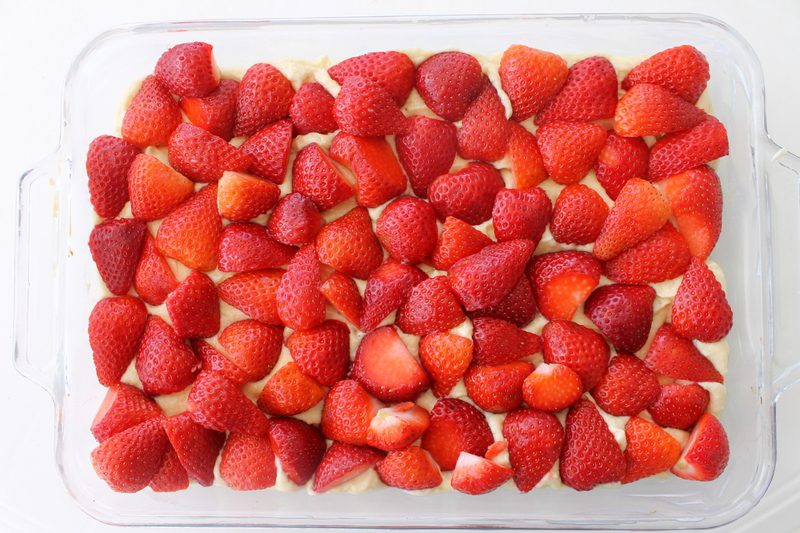
    But then I made this cake because Deb (and a bunch of other people) said it was wonderful. And it was! In the hot oven, the strawberries got all soft and jammy, and the flavor intensified. Some of the juices sank down through the buttery cake batter, turning the very bottom, in places, all caramelly and gooey. We ate our strawberry cake just as Deb recommended — with whipped cream — and it was perfect.
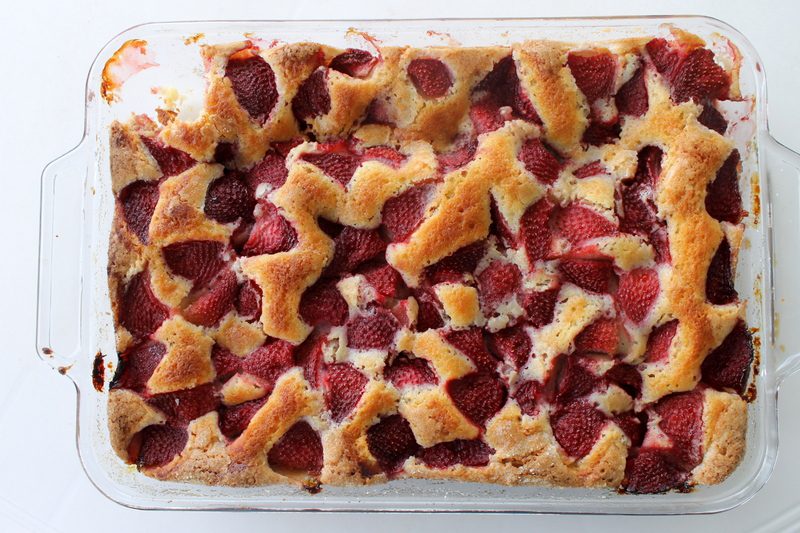
    Fresh Strawberry Cake
    Adapted from Smitten Kitchen

    6 tablespoons butter
    1½ cups flour
    1½ teaspoons baking powder
    ½ teaspoon salt
    1 cup sugar, plus 2 tablespoons for garnish
    1 egg
    1 cup milk
    1 teaspoon vanilla
    1 pound strawberries, topped and sliced in half

    Cream together the butter and the one cup of sugar. Add the egg and vanilla. Add the dry ingredients and blend lightly, and then add the milk and mix well. Pour the batter into a greased 9-inch springform pan. (A double batch fit nicely in a 9×13 pan.) Arrange the strawberries on top, cut-side down. Sprinkle with the remaining two tablespoons of sugar.

    Bake the cake at 350 degree for 45 minutes or so. (Deb says to reduce the temp to 325 degrees after 10 minutes, but I don’t think that’s really necessary.) Cool to room temperature and serve with whipped cream.

    This same time, years previous: reflections from Kansas City, the quotidian (7.7.14), the quotidian (7.8.13), grilled flatbread, red raspberry lemon bars.
  • pulling together

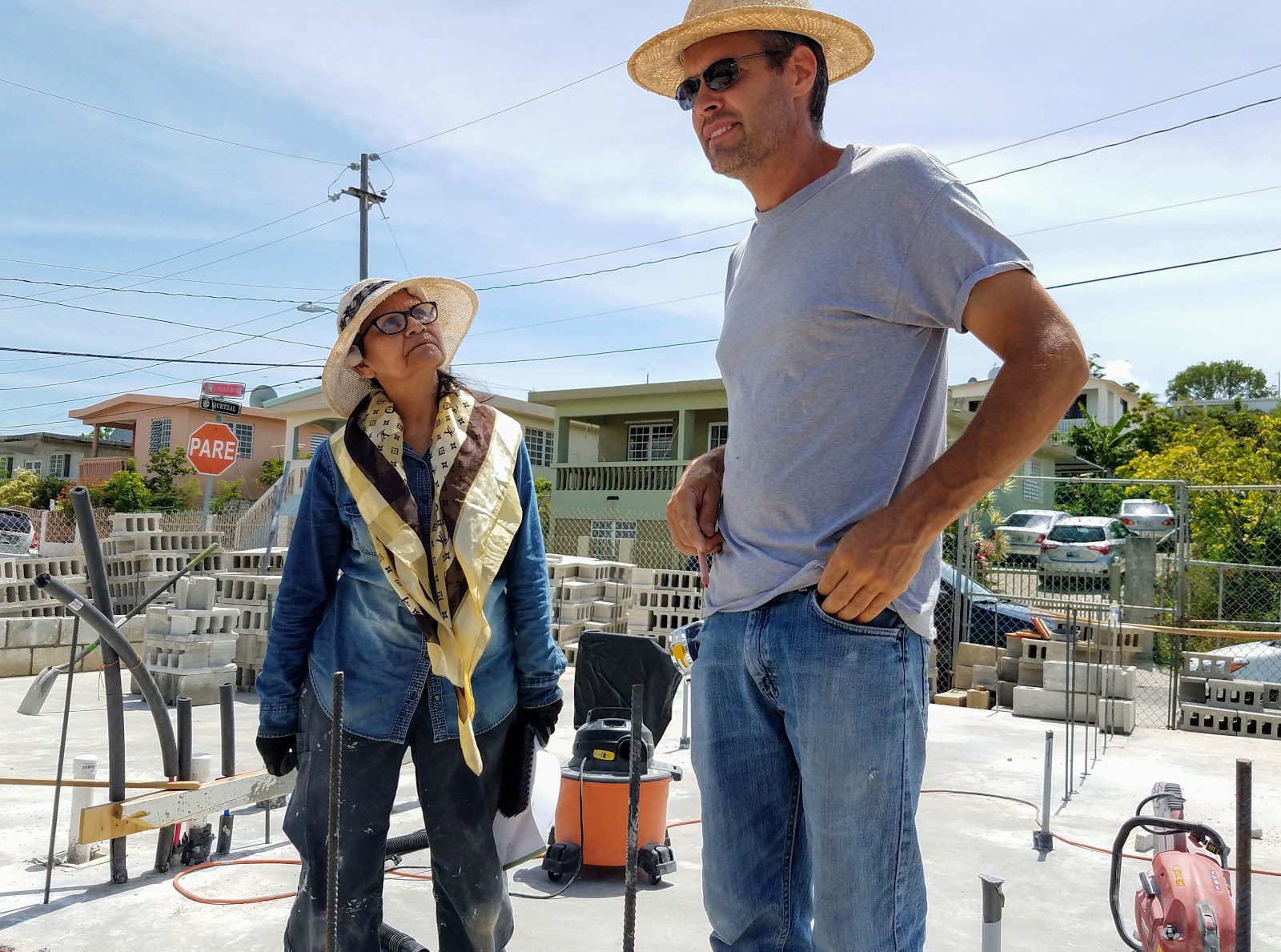
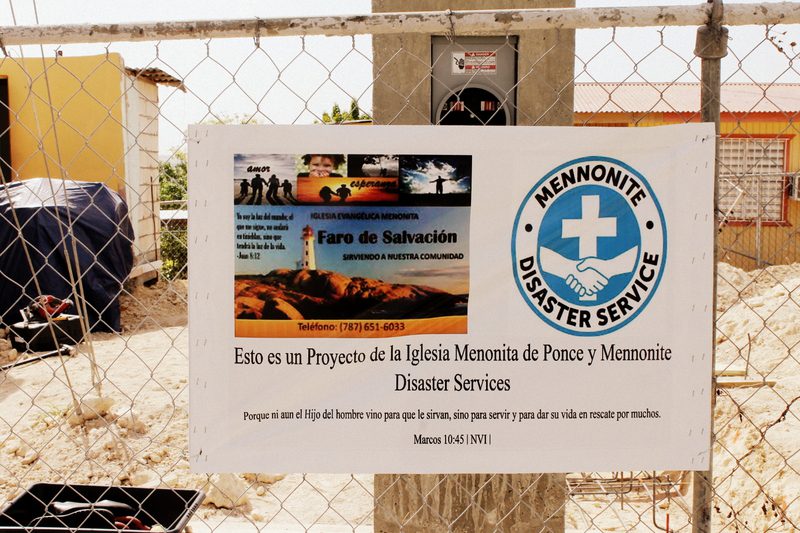
    One of the best things about our MDS experience thus far is seeing how the local community has taken ownership of the project.

    In our leadership training back in April, we were told not to expect much local help. Due to whatever disaster they’ve just lived through, the people that MDS helps are struggling both emotionally and physically. Their reserves depleted, it takes all their energy to simply live. It’s not our place to expect more from them. So when the locals started showing up to work with us on Nilda’s house, we were pleasantly caught off-guard.

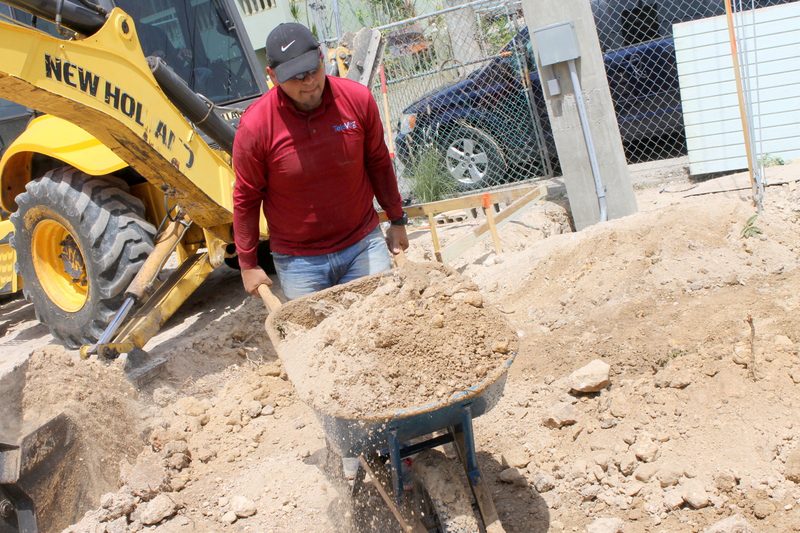
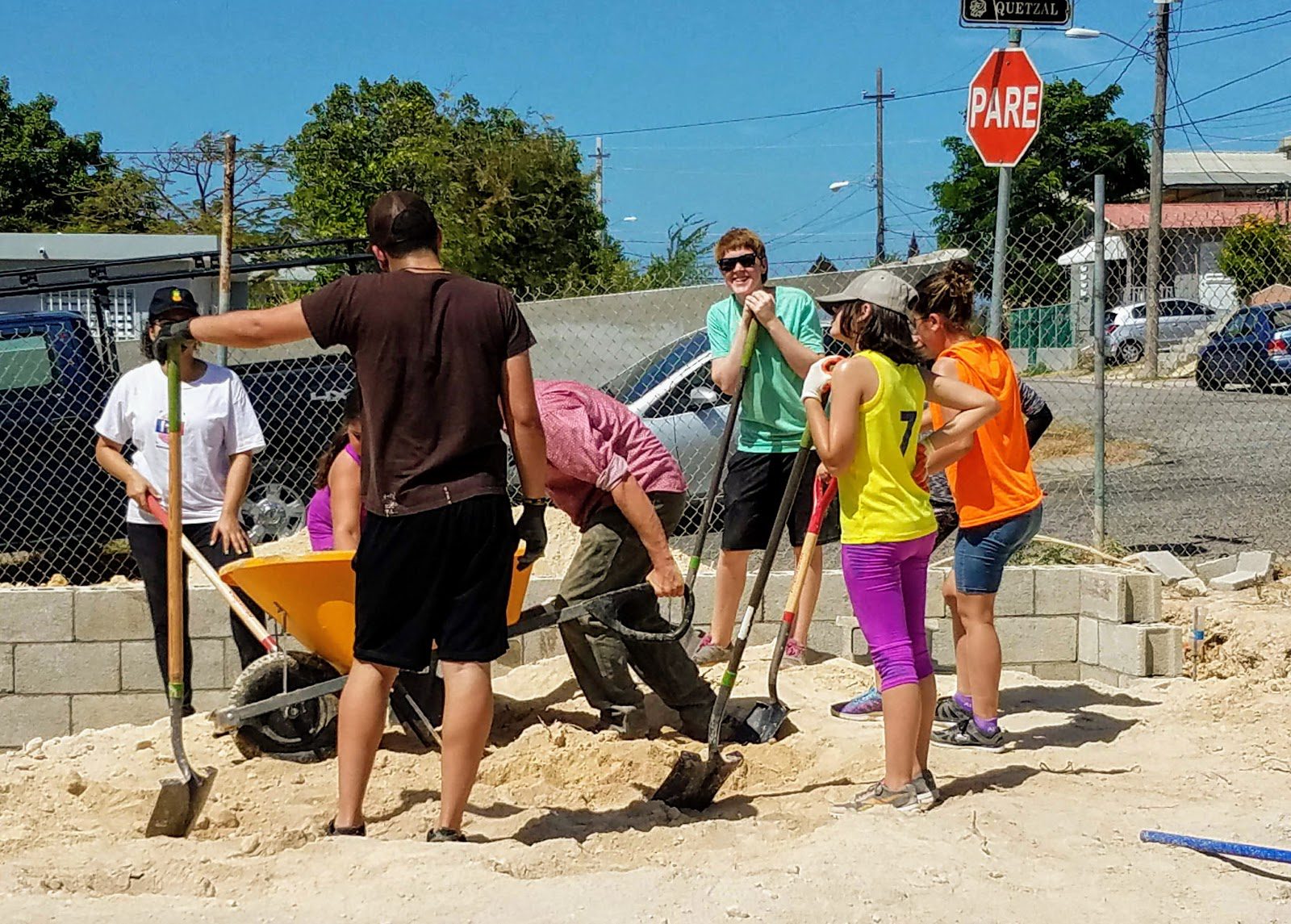
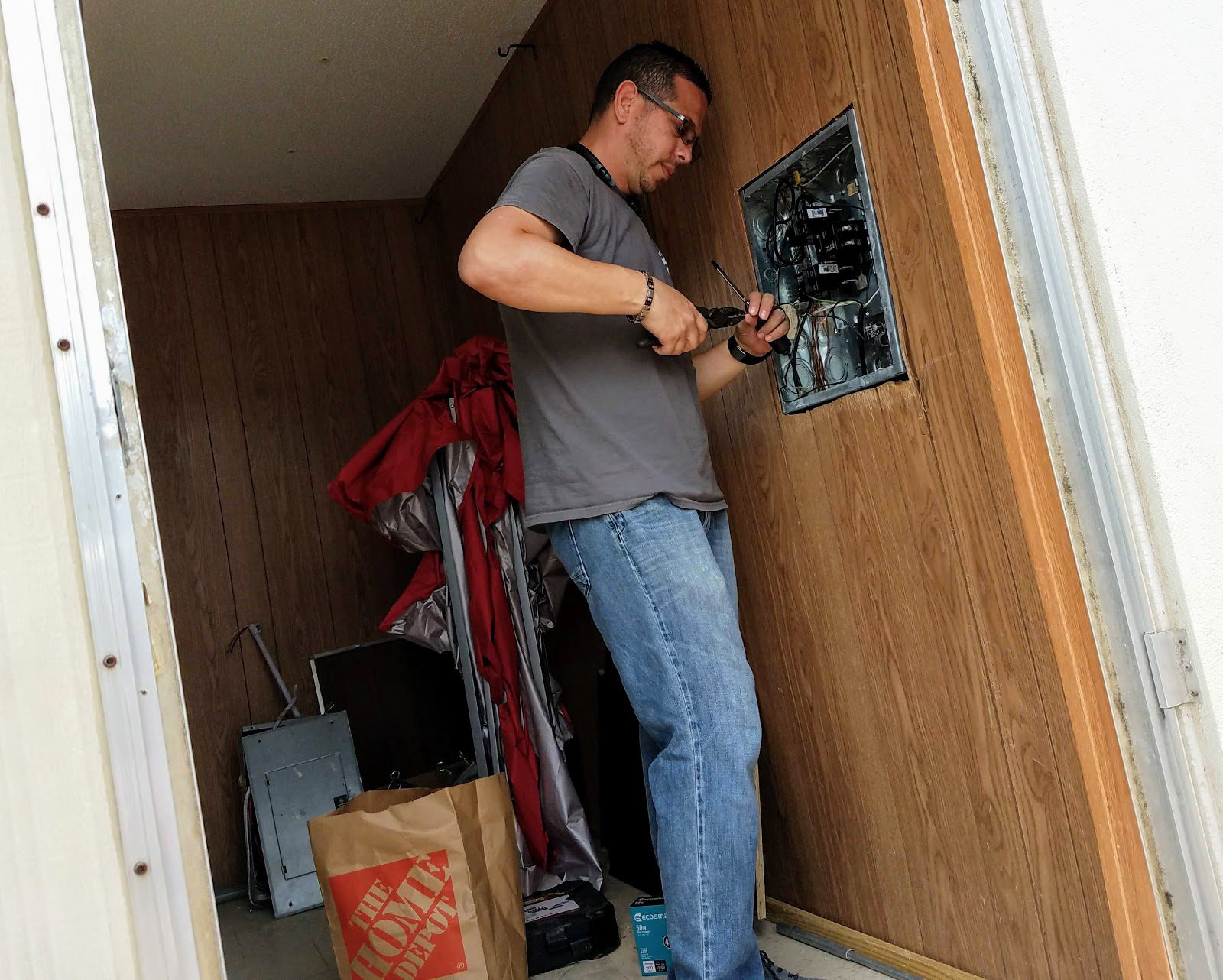
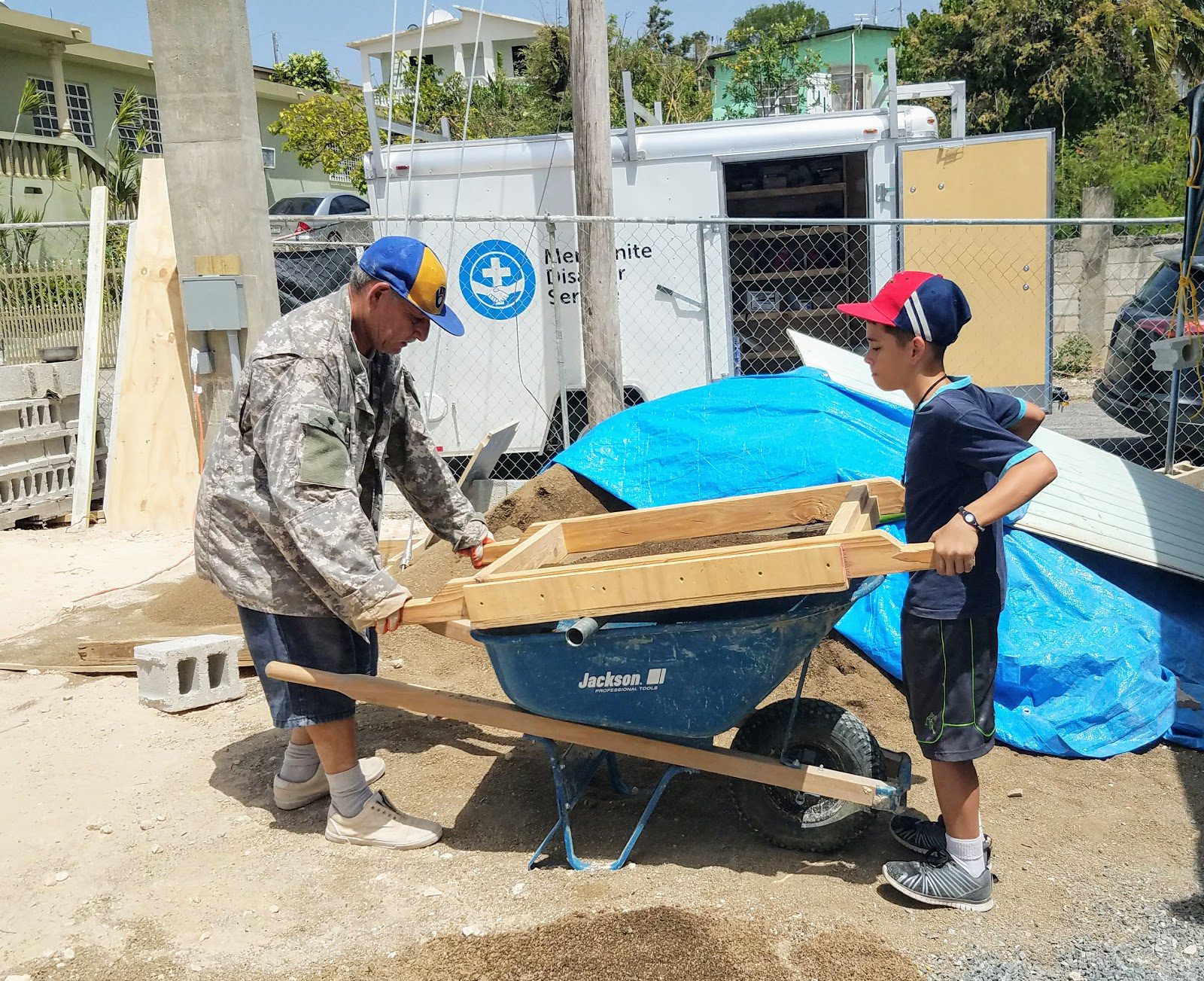
    Over the last couple months, we’ve had all sorts of people come to volunteer: teenagers and children, whole families, older women, a grandfather with his grandson, a father with his son, etc. Some pop in just for a few hours. Others show up one full day a week, several weeks running. Others work even more frequently than that.

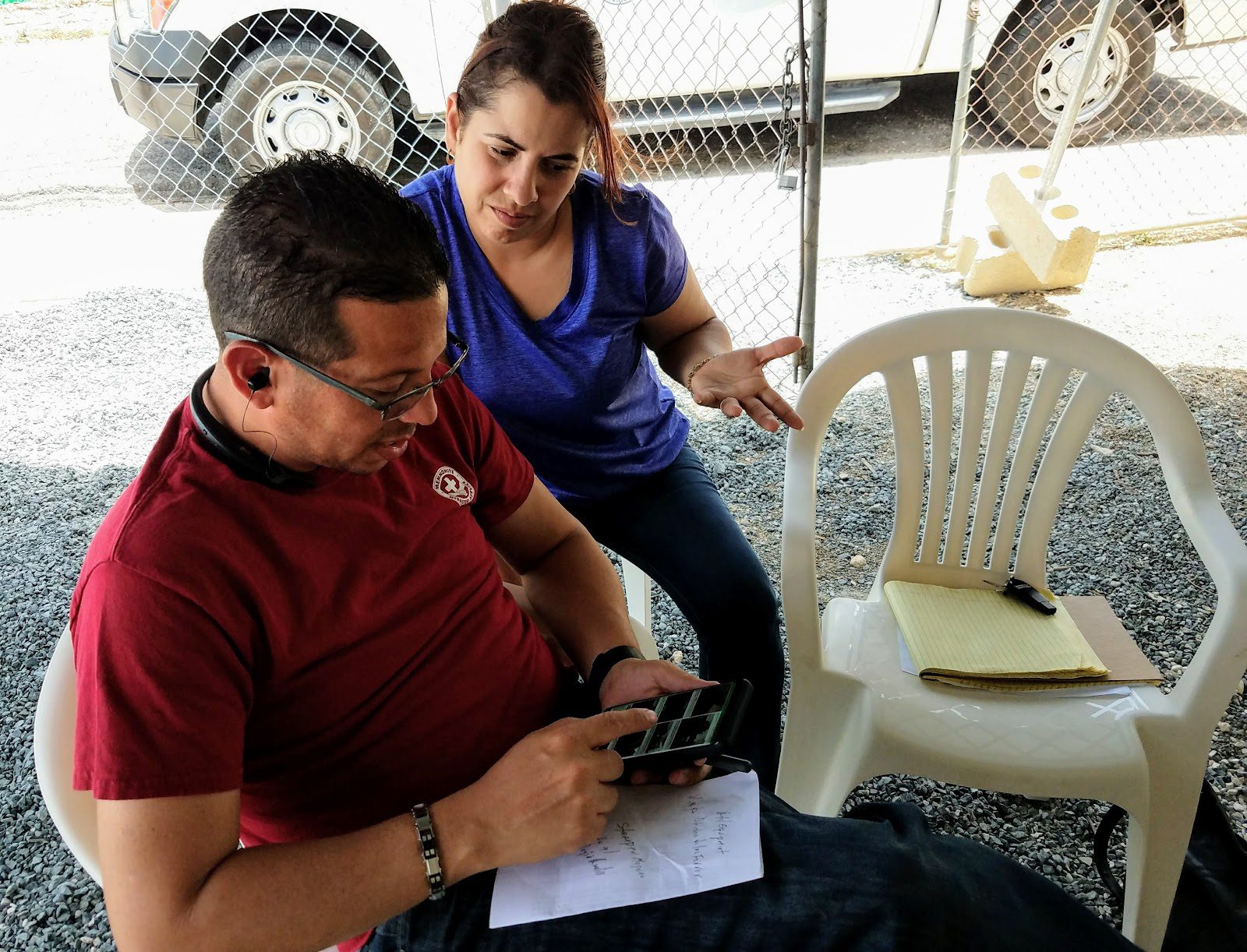
    When Rolando, our supervisor, shows up (he lives in San Juan), he’ll park his butt in a chair, pop in his earbuds, and then make call after tedious call to different businesses in search of materials. It’s an enormous help.

    Almost daily, Chiro (Rolando’s brother) stops by on his lunch break to check on things. He takes photos and then posts them to the church’s WhatsApp group account. (Note: Everyone in the whole world communicates through WhatsApp — a super reliable and simple form of communication — except, naturally, the US.) Nearly every day someone posts something — progress photos, words of encouragement, jokes, requests for snacks/help/prayers — so it keeps the project in the spotlight and allows everyone to feel included.

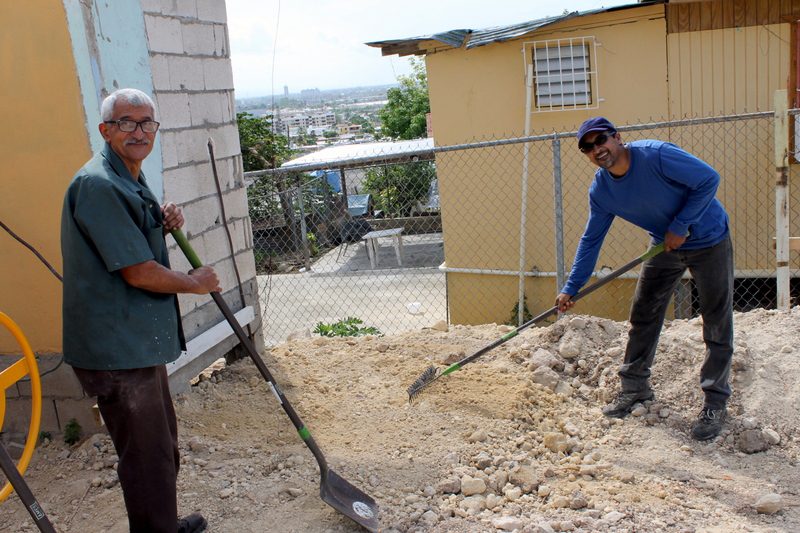
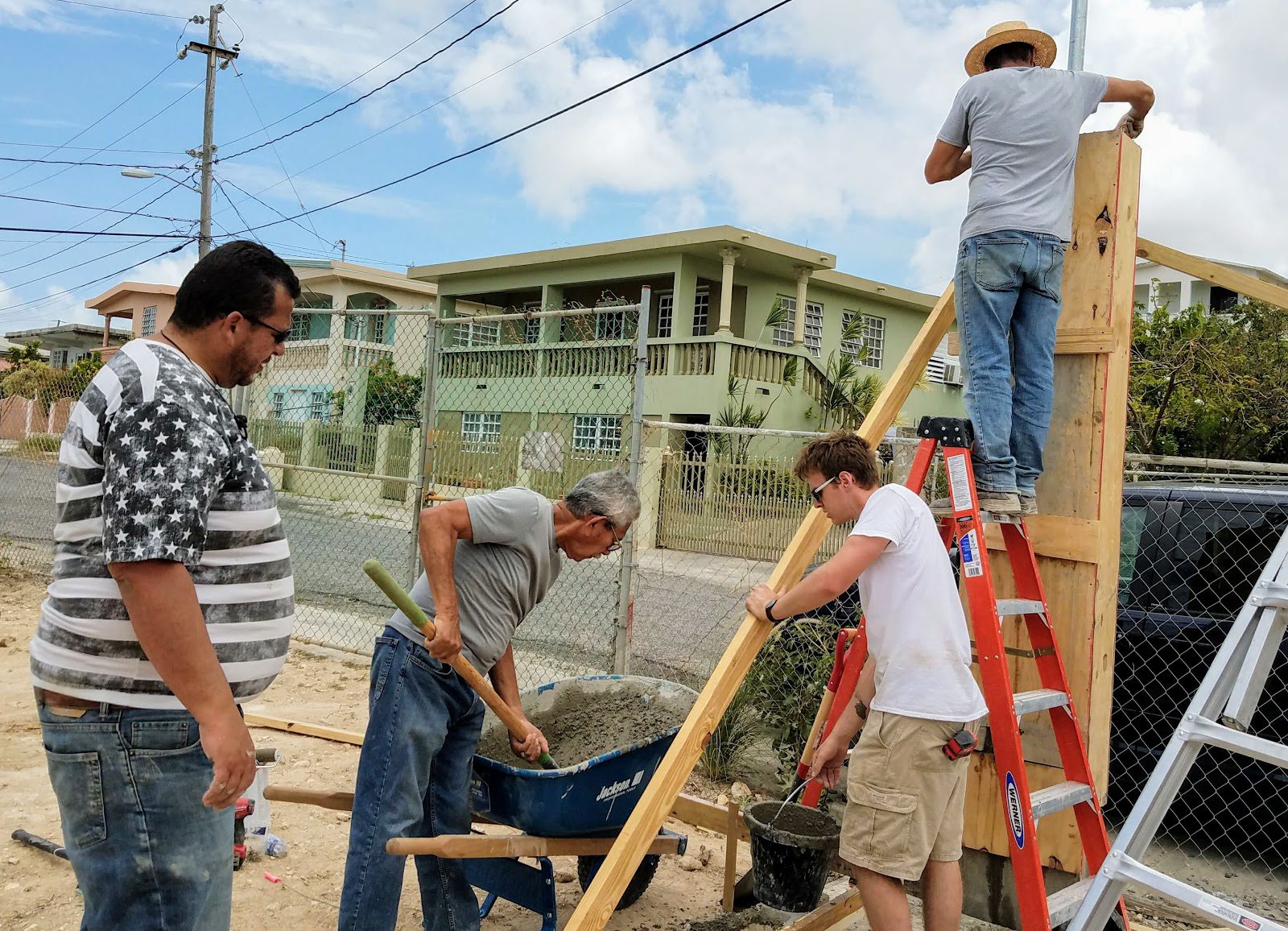
    Chiro on the left, and his father, Pastor Demetrio, shoveling cement

    From the pulpit, the pastor encourages people to volunteer. This is our chance to put our faith into practice, he says. We ought to seize this opportunity to make the love of Jesus visible. And so people show up to work.

    But they do more than that, too. They invite our children to the youth retreat camp (and then cover the cost themselves) and bring us hand-me-down clothes and let us borrow their furniture and invite us over for meals and drop off food. (One night we had a supper at the pastor’s house, and then migrated down the street to his son’s house for pinchos and then, when we finally got home, we found a box of pastries and some loaves of bread waiting for us on our porch, a gift, we later learned, from one of the church members.) In other words, they love on us again and again.

    And again …

    and again …

    and again.

    Nilda, on the left

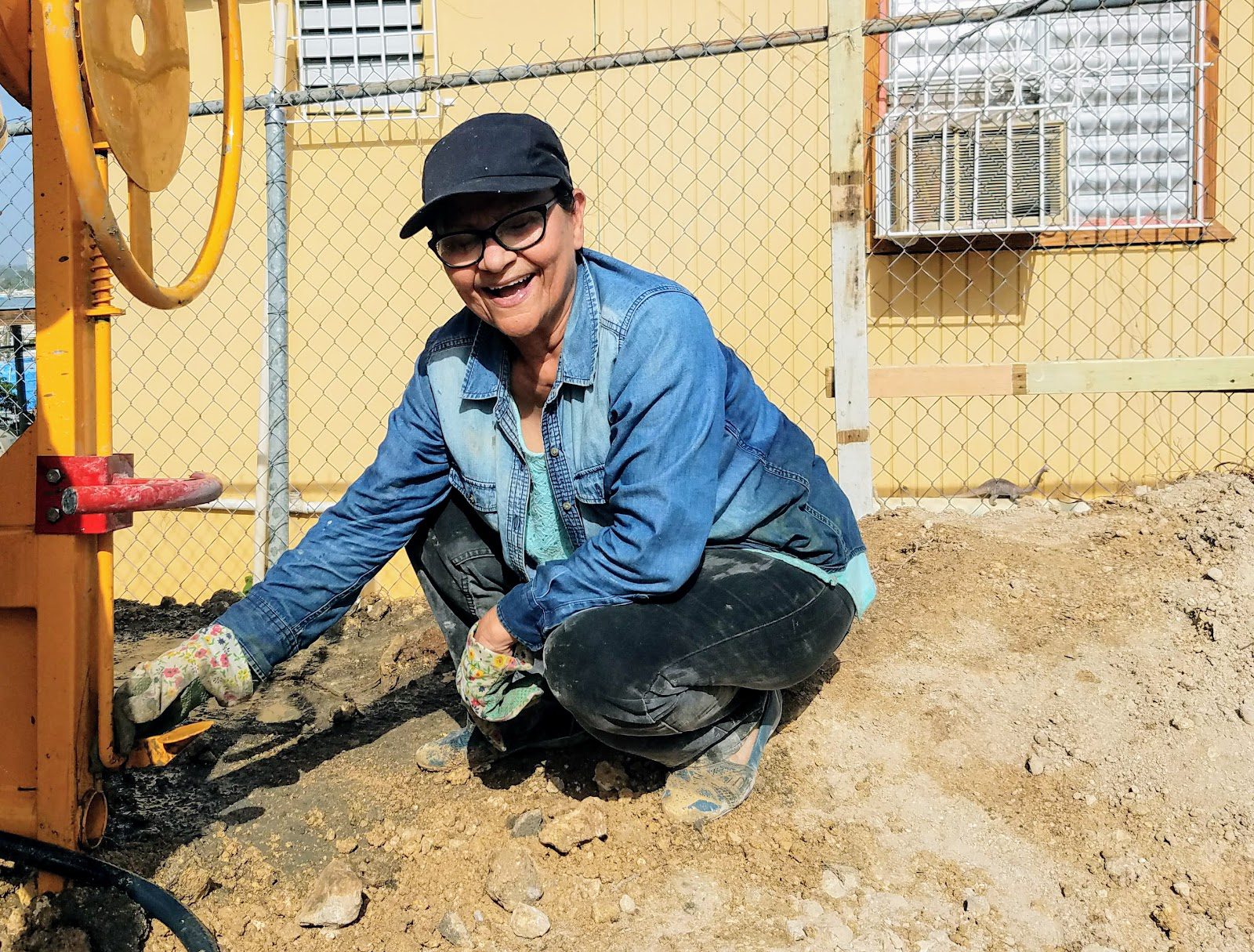
    Nilda, the homeowner, is in charge of cooking lunches (and sometimes suppers) for the weekly volunteers. MDS gives her the money to purchase the ingredients, but other women, on occasion, will step in and make a meal, often paying for the ingredients themselves.

    Carmen, Nilda’s sister, is one of our most energetic and consistent volunteers. She’ll often help Nilda prepare lunch, deliver it, and then stay to work for the entire afternoon.

    And boy, does she ever know how to work! I’ve heard tell that she works some of the men into the ground.

    Now that the project is up and running, and volunteer teams are coming weekly, the local volunteers haven’t been showing up quite as frequently, but even so, there continues to be an unusually high level of community involvement and hands-on support. It’s so much fun, so energizing, to see them pull together. In many ways, they’re the ones carrying us.

    What a gift.

    This same time, years previous: the quotidian (7.4.16), let’s revolutionize youth group mission trips! please!, French yogurt cake, butchering chickens, in their words, raspberry lemon buttermilk cake.

  • Vieques!

    When our kids learned that we would be going to Vieques for our vacation week, and staying in a little cottage with only two beds, there was a bit of fussing. The older son, in particular, was like, “But we’re around each other ALL THE TIME. I want to get away! Being stuck with you guys for a week won’t be a vacation!”

    Buck up, Buttercup, we said.

    On my last post, Karren commented, “Your family sure does know how to have fun, no matter where you are!” which made me chuckle. Yes, we do have fun … but only sometimes. What you don’t see in the photos is the grumpy, stressed husband (and the wife giving him long, drawn-out lectures), the sulky child who is on a weird beach strike (and the mother giving her long, drawn-out lectures), the sibling bickering (and the mother and father giving long, ANGRY, drawn-out lectures), the boredom, etc. It takes an awful lot of energy to motivate six people to have fun together for days on end. In other words, vacation is work, and it wasn’t all roses. Maybe not even mostly roses.

    HOWEVER, I’m pleased to announce that we did make a pretty valient stab at the whole vacationing thing, all things considered. We rested and explored, played and slept. The time away, in a different space, while in many ways draining (as always, we were all happy to be back home afterward), was also energizing. We did something different, and that right there is worth a hip-hip and hooray.

    The trip to Vieques was fairly hellish.

    Easy-peasy plan: drive to Fajardo and then ferry the van across to Vieques.
    Problem: you can’t make reservations ahead of time (unless you’re there in person).

    This meant that we had to get there early to put our name on the standby list and then wait for hours in the car, anxiously gnawing on our fingernails all the while. If we didn’t make it on the one o’clock ferry, then we’d hopefully make it on the 4 pm ferry, but there was no guarantee of that. Our other option was to ditch the van (and the food I’d prepared, sob) in Fajardo and just travel across with our backpacks. But that meant we’d have to spend a lot more money (car rental, eating out). Plus, since we were on standby, we’d have to wait to the very last minute to learn we didn’t make it and then park the car in an official lot, do the bag shuffle, buy tickets, and hot-foot it to the ferry.

    It was a toss-up. The not knowing was beyond stressful. My well-laid plans once again up in the air, the disappointment of our last attempted vacation came rushing back. I felt almost sick to my stomach.

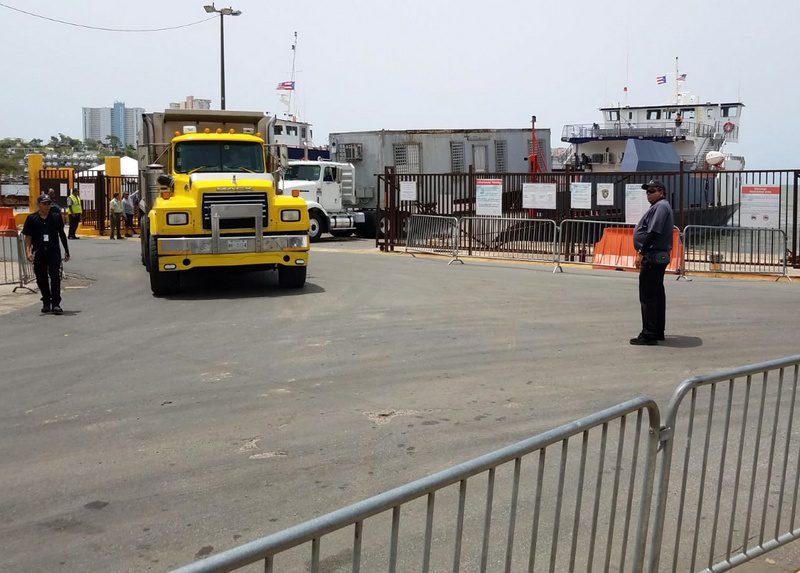
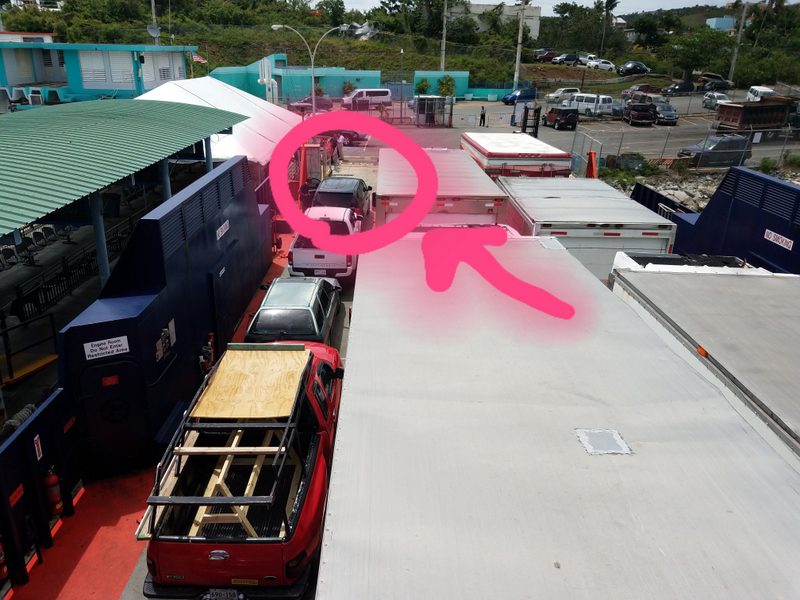
    Before they told my husband that photos were not allowed, he snapped this.

    And then, at the very last minute, the ferry already packed with dozens of people and a tractor trailer and several delivery trucks and a whole line of cars, the supervisor called our name. There was a mad dash to buy tickets, to get the loading guy to radio the police woman to let our van in the entry gate, and then, when she didn’t (grr), a race to the gate to hand-deliver the tickets. My husband backed the van onto the ferry, and the kids and I walked aboard as the final whistle blew.

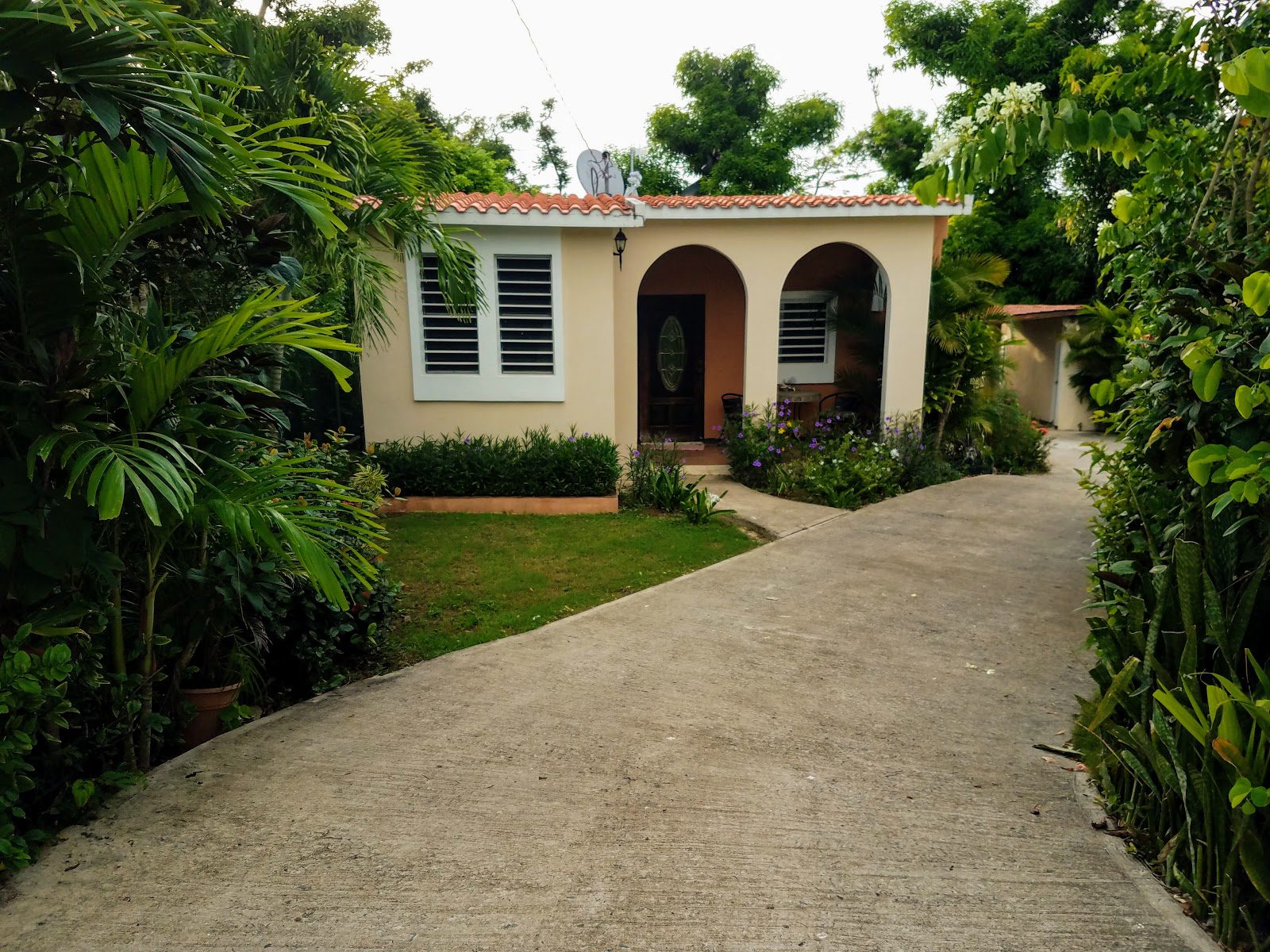
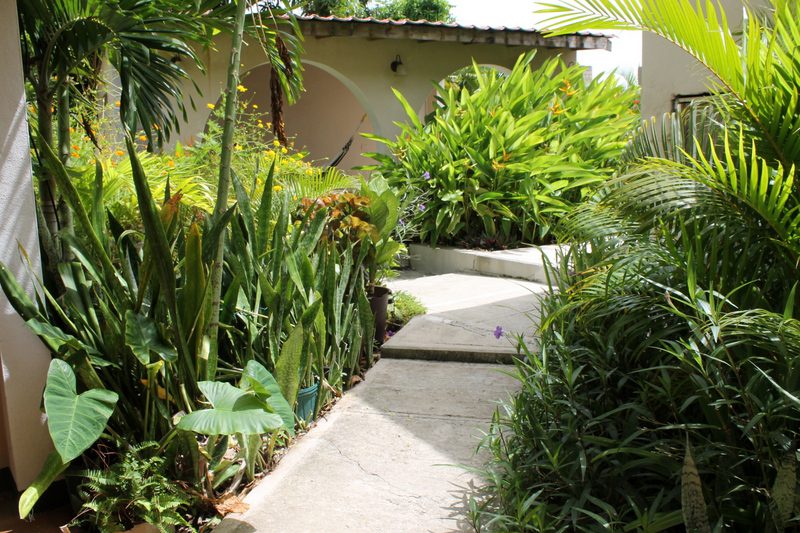
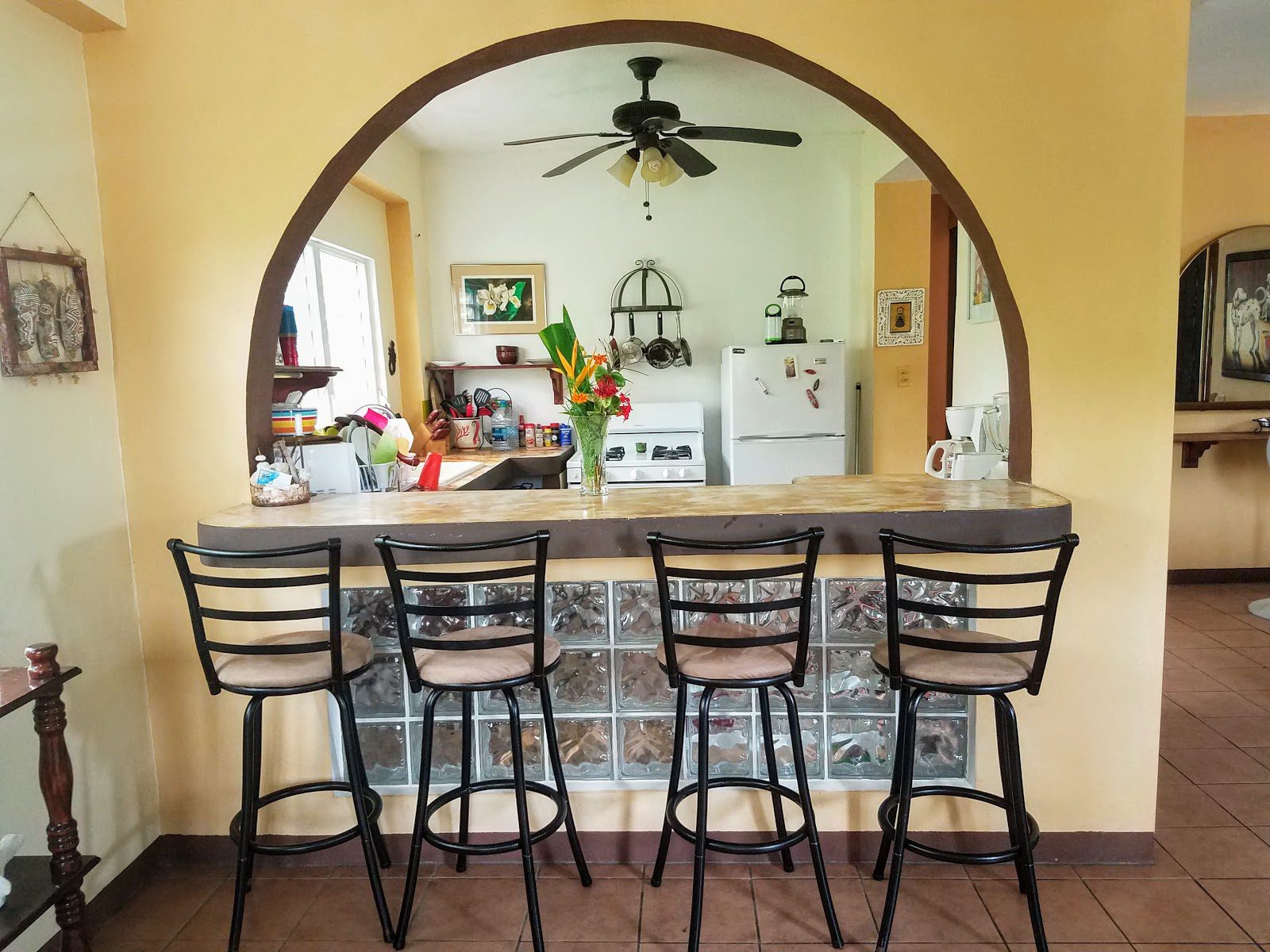
    We stayed in Casa Esperanza, a little cottage set back from the road and surrounded by lush gardens.

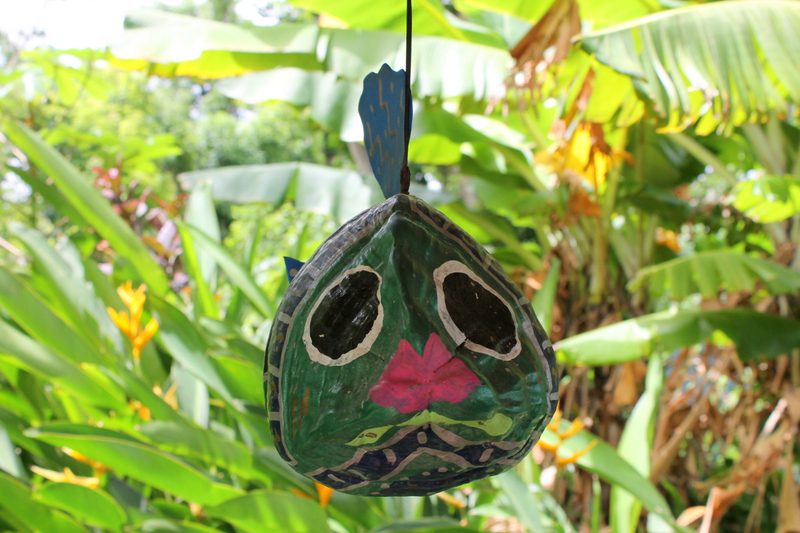
     painted coconuts!

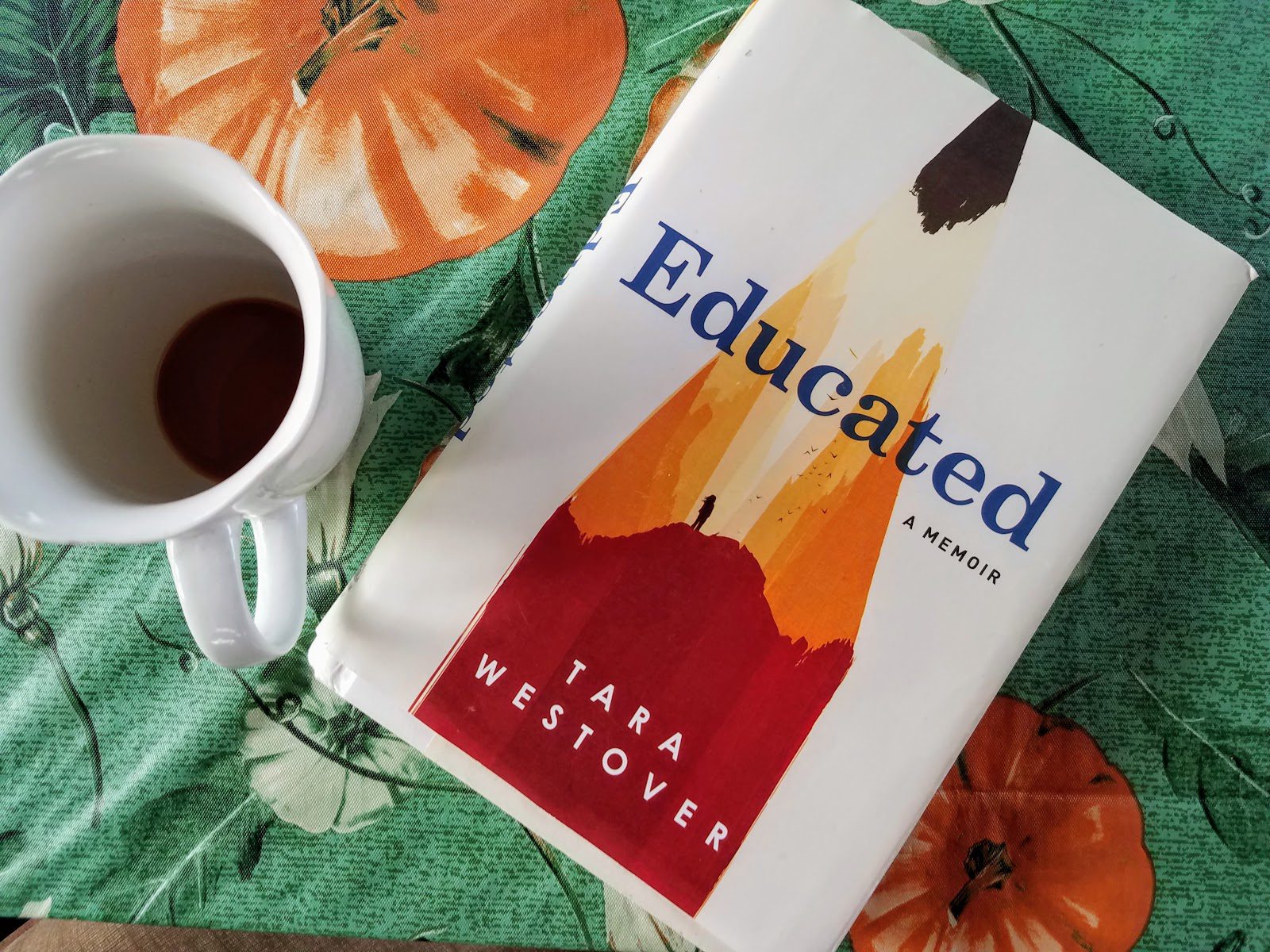
    There was an outdoor pavilion where I spent hours drinking coffee and reading. I plowed through this book in just two days, and I finished off this one, both a solid five stars.
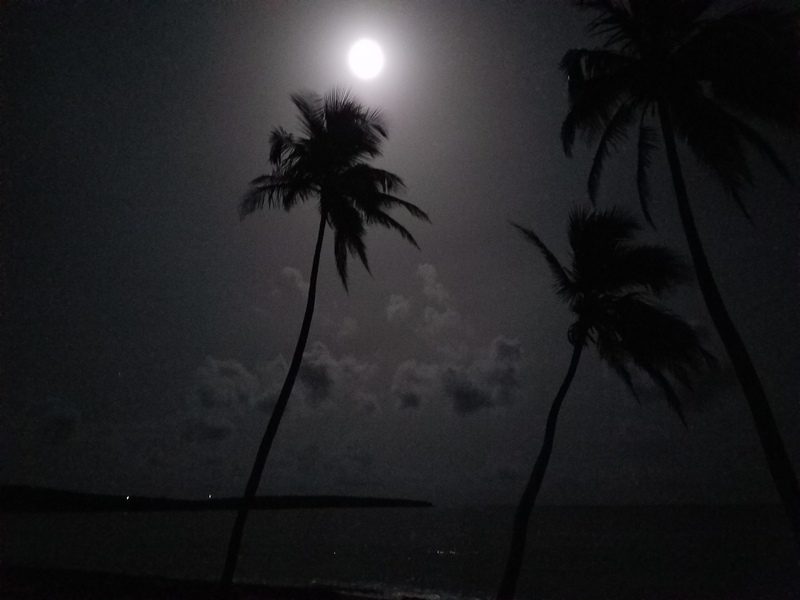
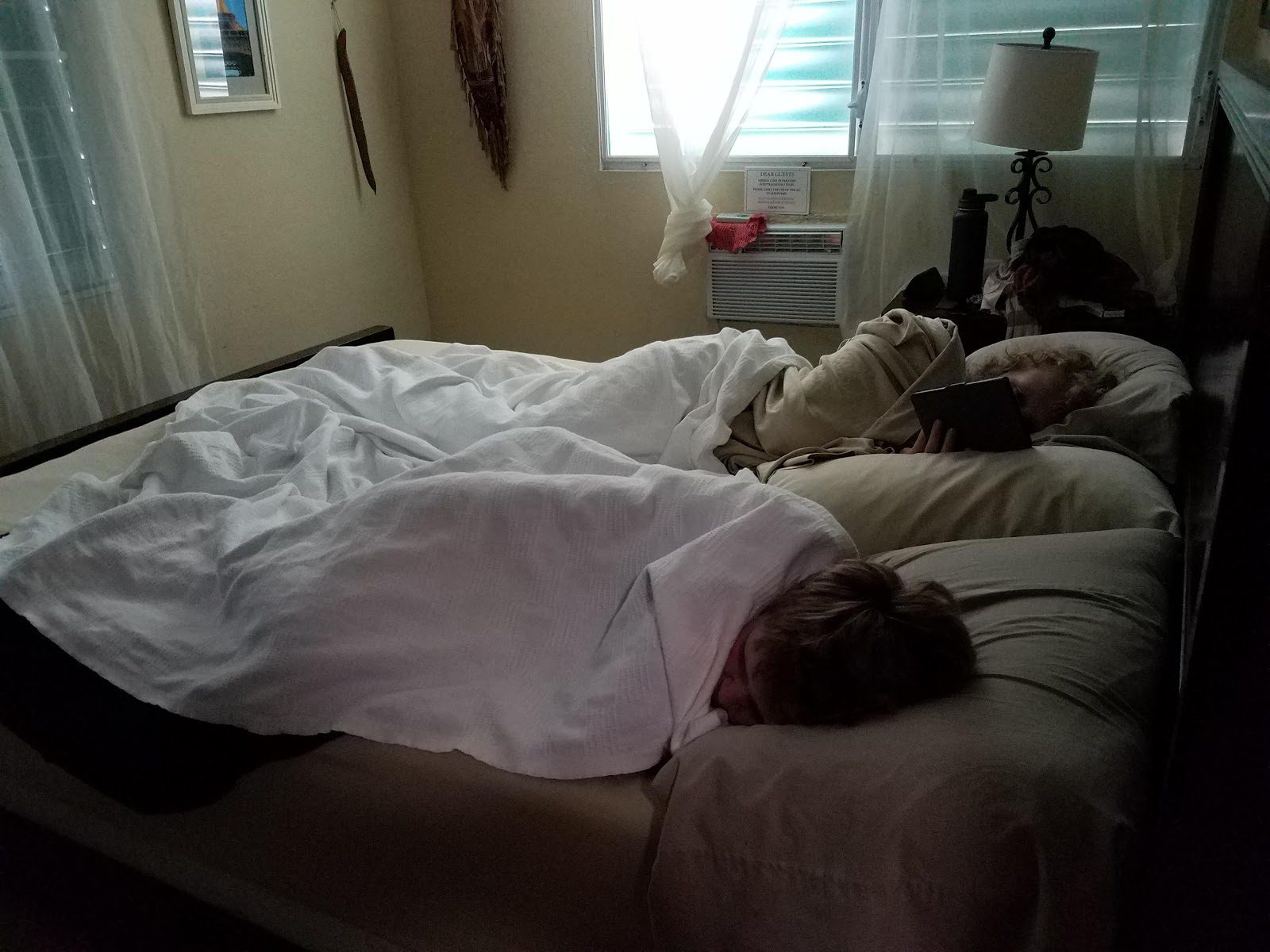
    We watched movies every evening, and, since there was air conditioning in the bedrooms, got to sleep under actual blankets.

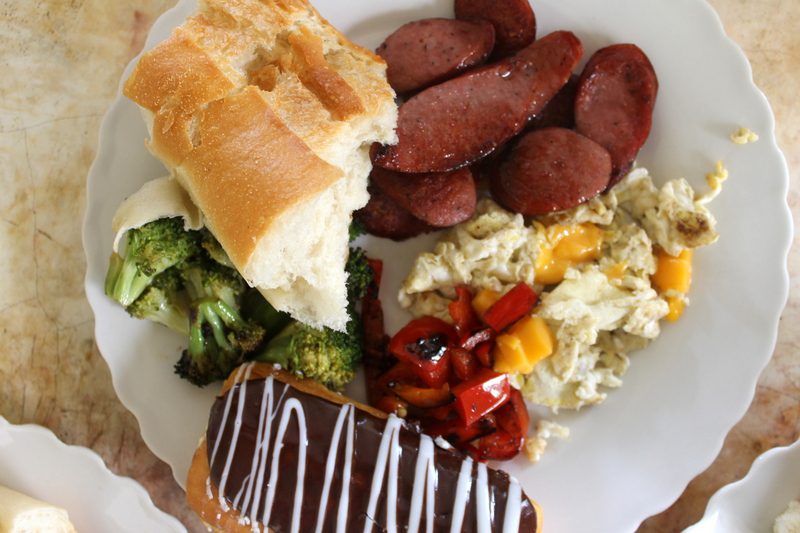
    We ate countless bowls of cereal and grilled burgers and roasted broccoli and made giant salads and fixed icy pina coladas. 

    the clean-out-the-fridge breakfast

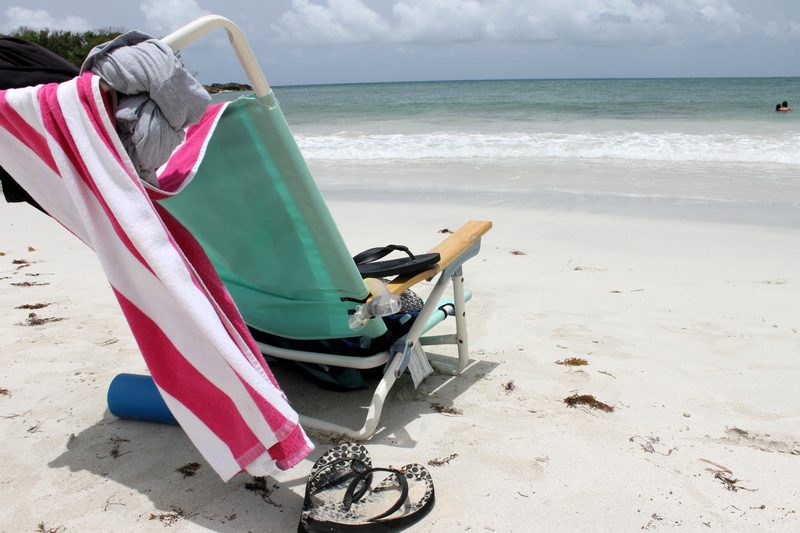
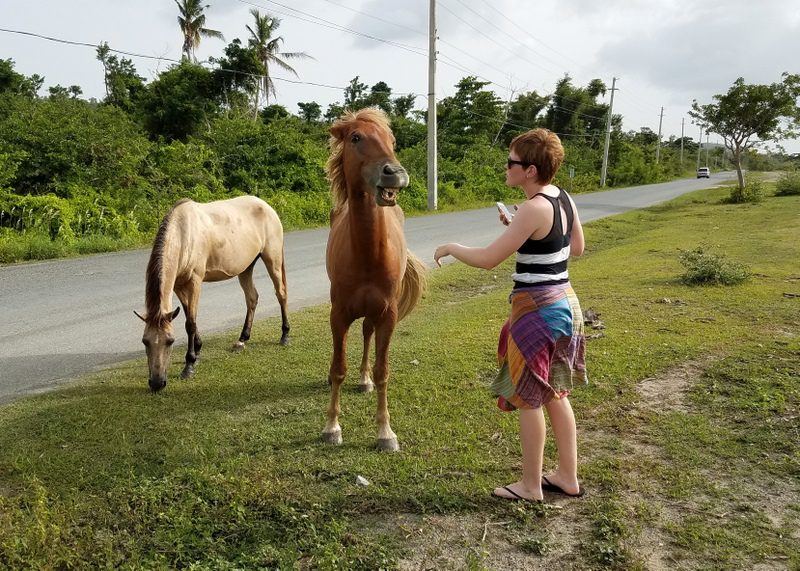
    Having our own van gave us so much freedom. We tooled around the curvy narrow roads, slowing for the horses, stopping to photograph whatever caught our eye, and hopping out whenever we spied a beach to explore.

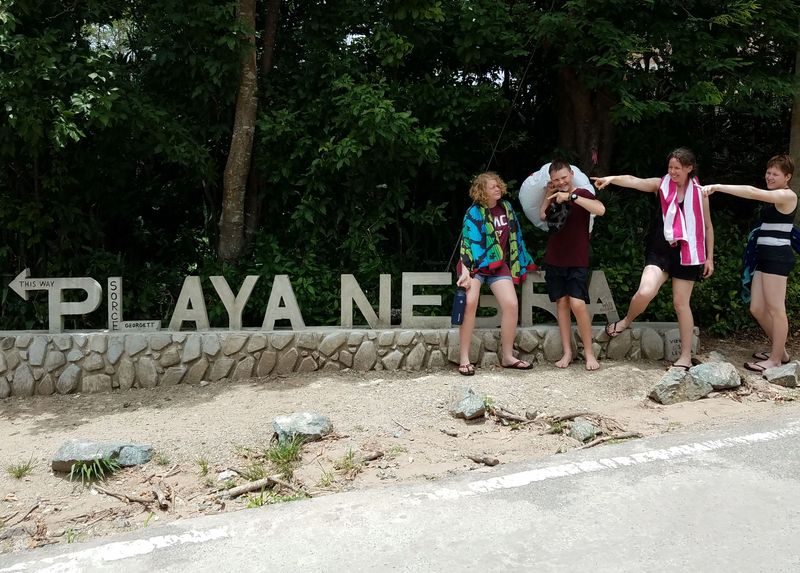
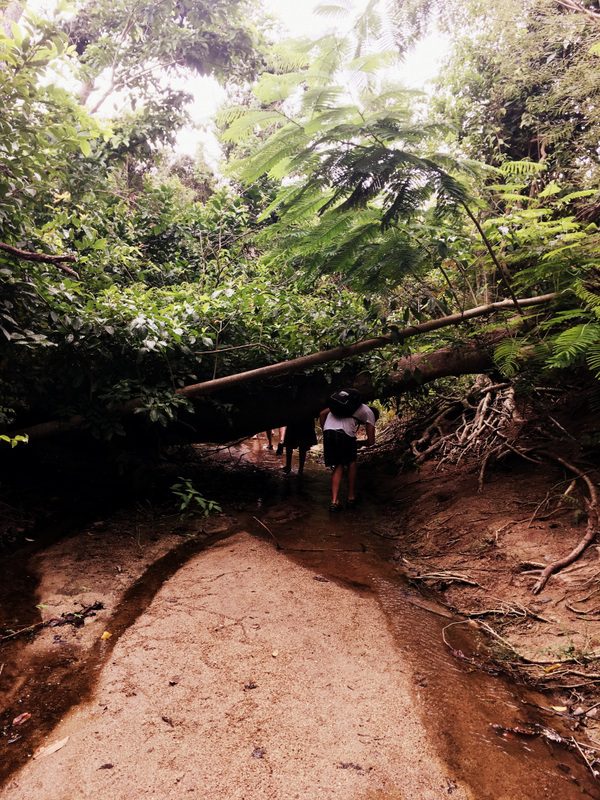
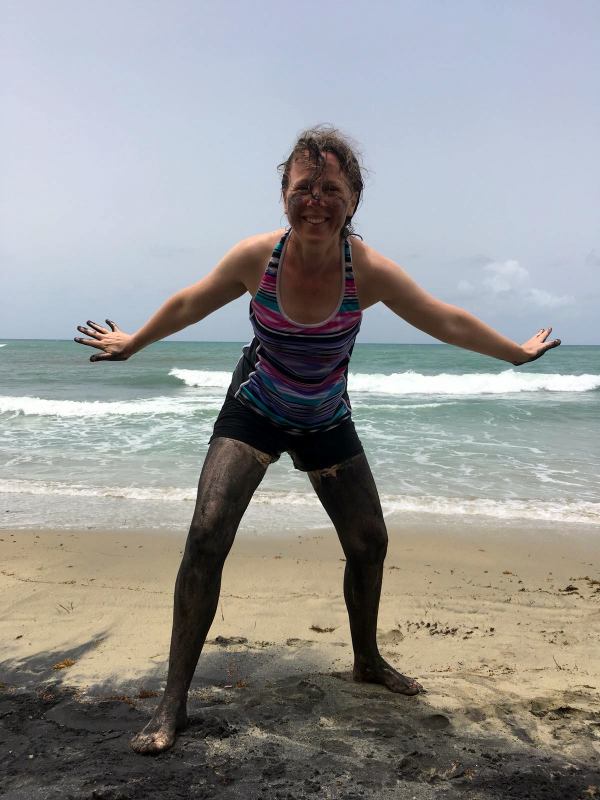
    For Playa Negra, we hiked fifteen minutes down a narrow jungly path, most of the time which was a sandy-bottomed, freshwater creek. The waves were a little intimidating (I’m always worried about riptides), but as we got more comfortable, we got braver, and, in the end, had a nice swim. The black sand made for some good body paint.

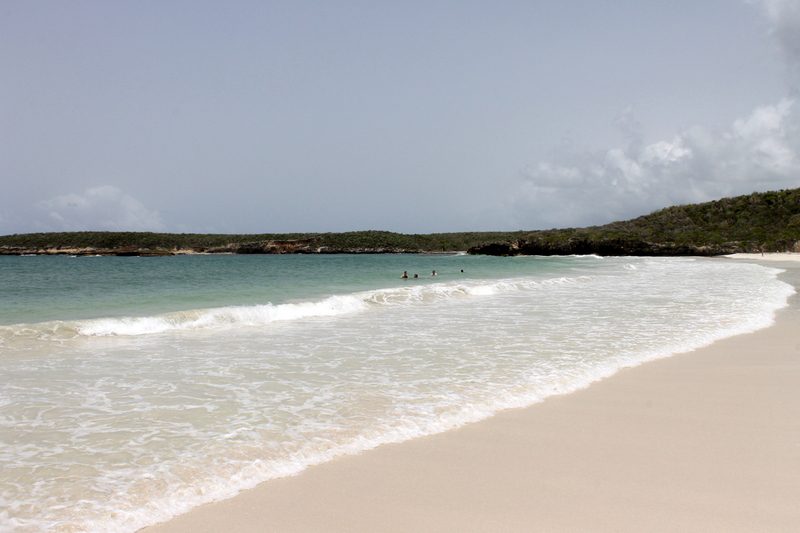
    Playa Caracas (red beach) was one of the most idyllic, with calm water on one half and pleasant waves on the other.

    The kids kept trying to find coral, but even though locals told us where to go, they didn’t have much luck. Finally, when asked directly, a woman at one of the little shops told us that Maria wiped out all of the coral. The base was still there, she said, but all the pretty stuff on top, and lots of the fish, were gone.

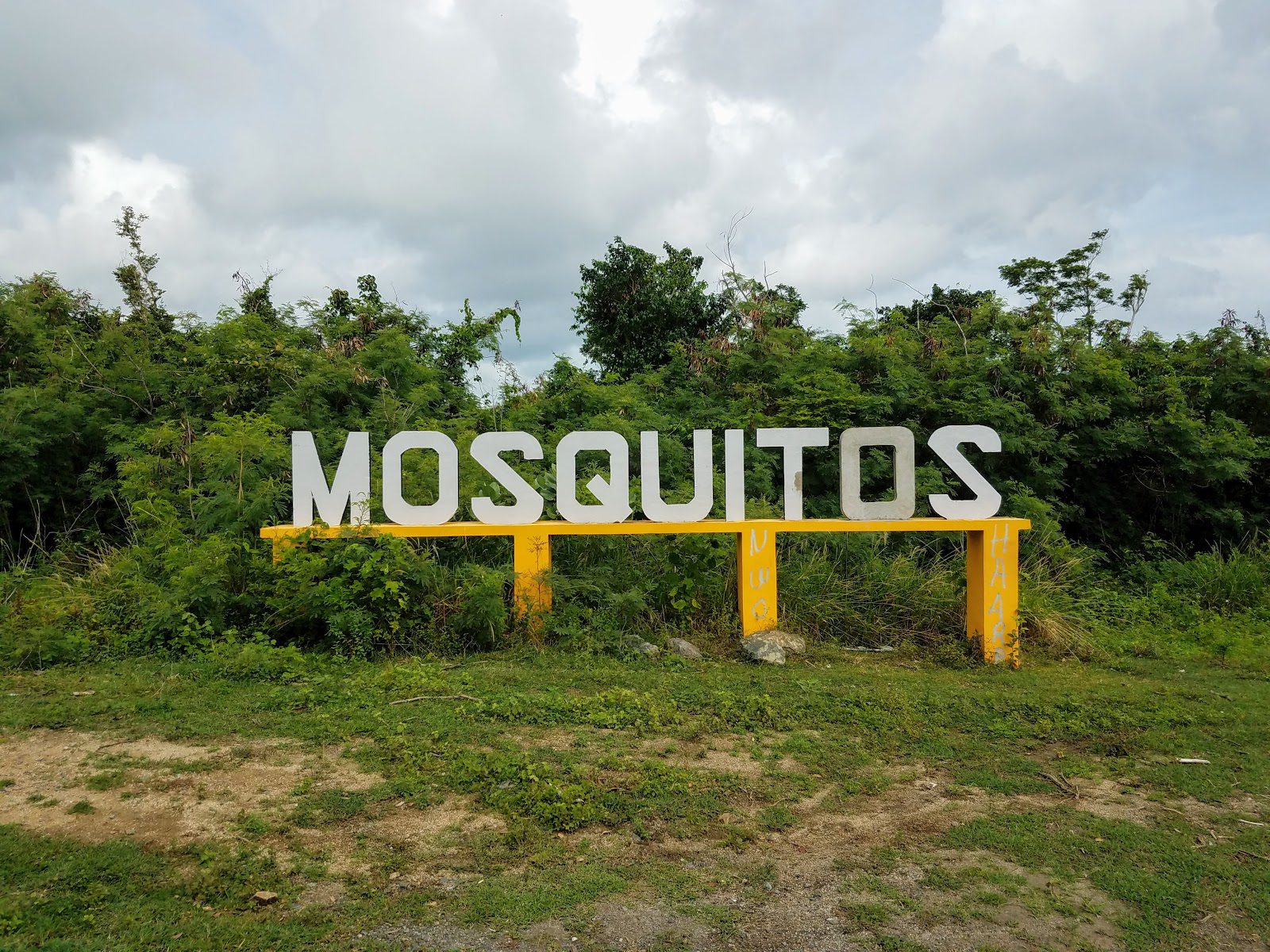
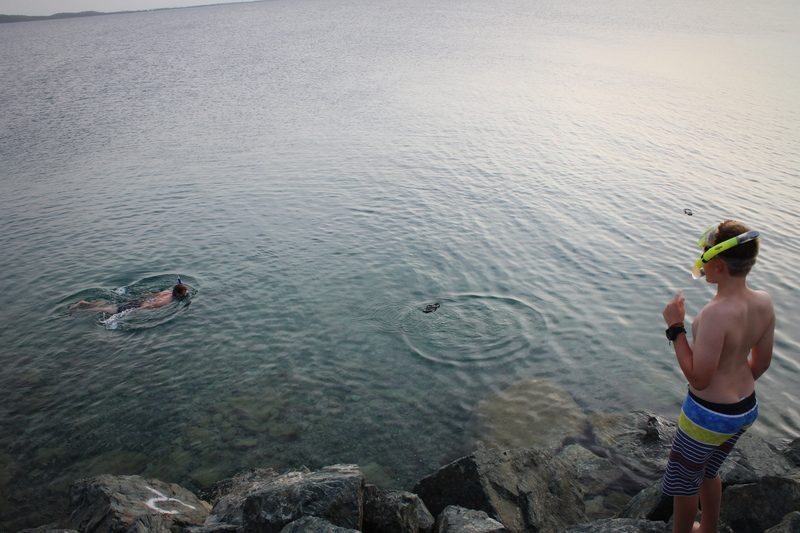
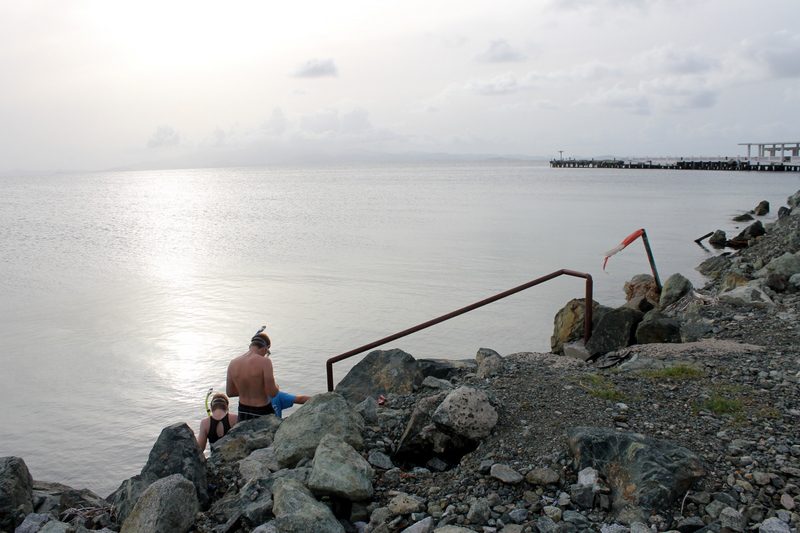
    With expectations adjusted, we went back to Mosquito Pier (the best spot, everyone said), and the kids swam out under the pier (so freaky!).

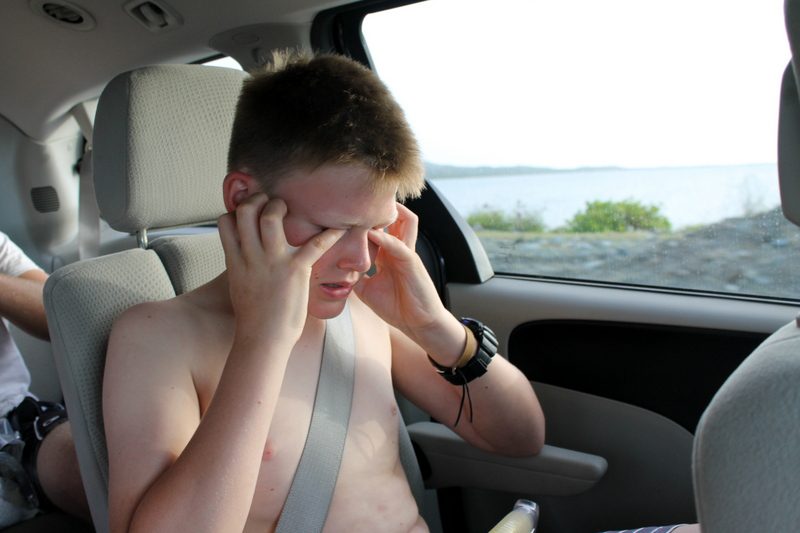
    ears plugged and singing “Life is a highway” over and over, trying to quell his terror: 
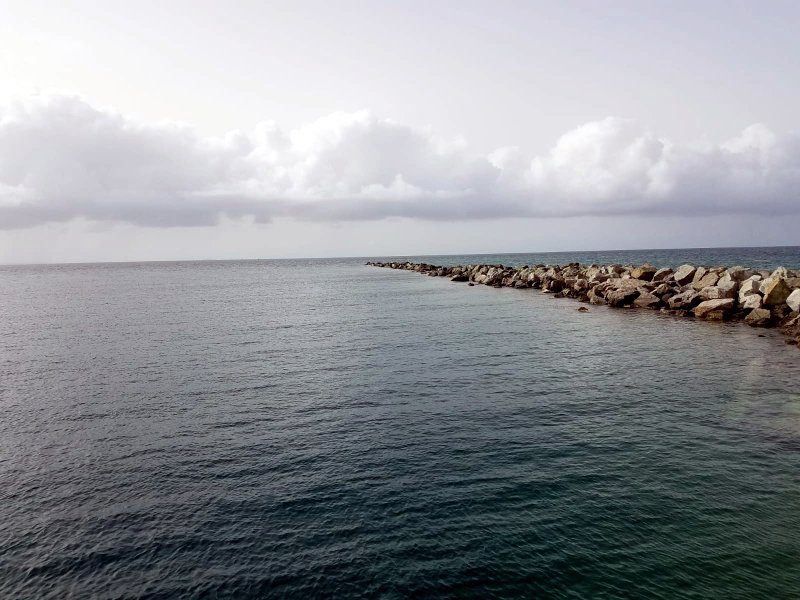
    driving out to the pier on the long, skinny road, water on both sides

    Once they knew what, where, and how to look, they began to find things: an octopus, lobsters, starfish, black spikey things, red coral, lots of little fish, and a number of big ones, too.

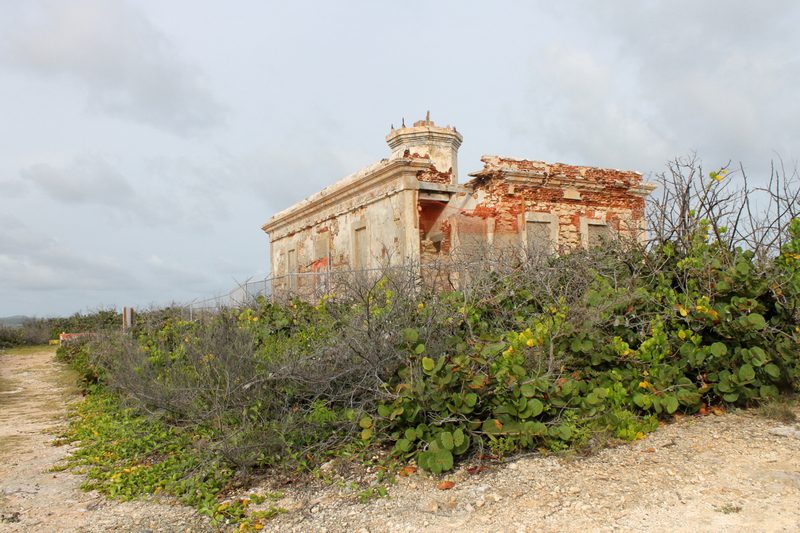
    We visited countless other beaches, a lighthouse, and drove through miles of national forest.

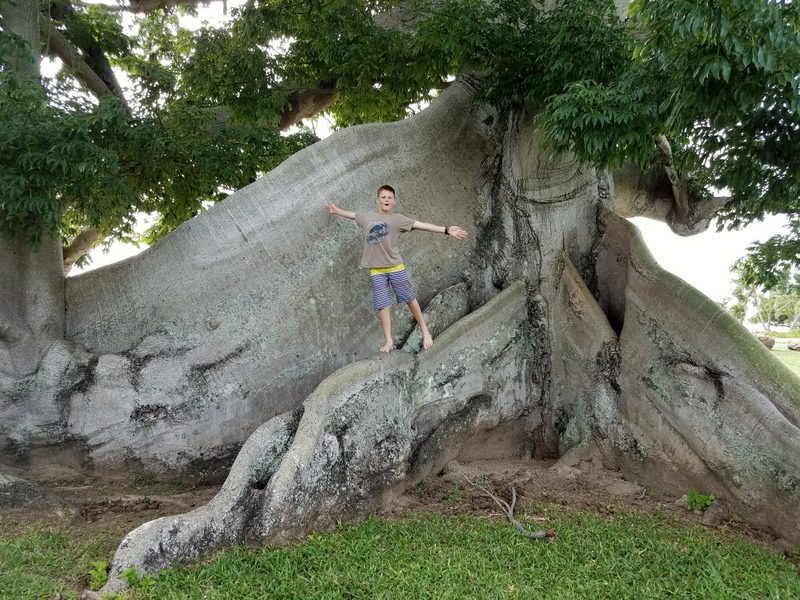
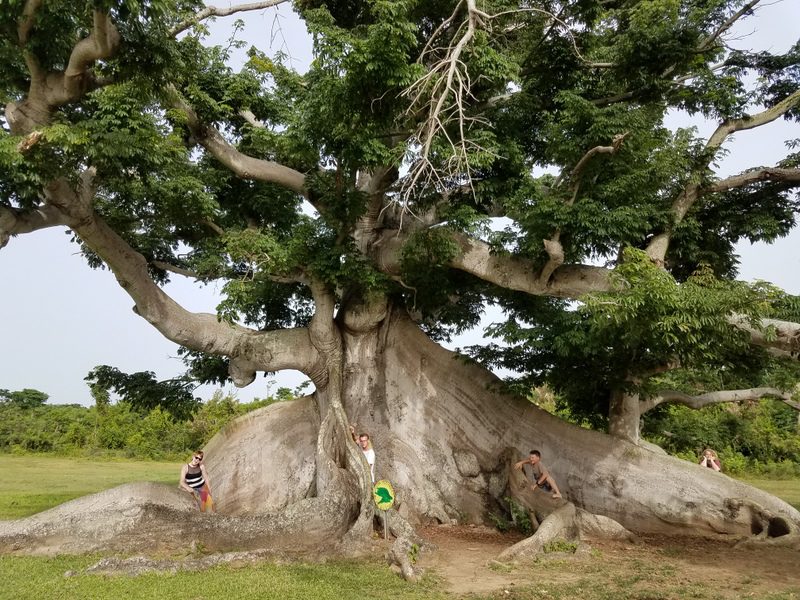
    Awestruck, we circled the giant Ceiba tree.

    twelve-year-old boy versus 375-year-old Ceiba: no contest

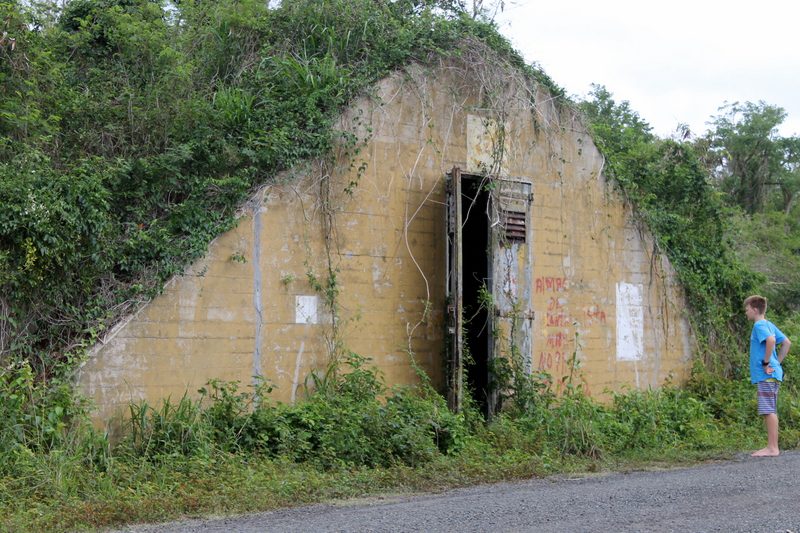
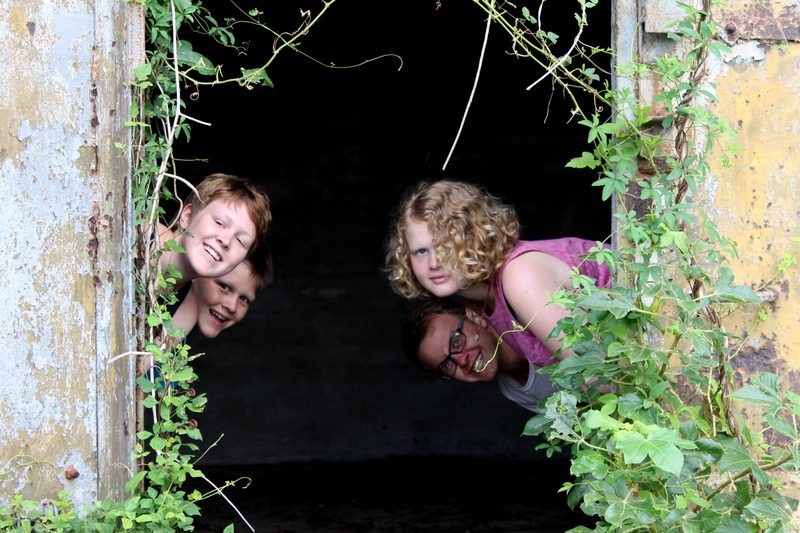
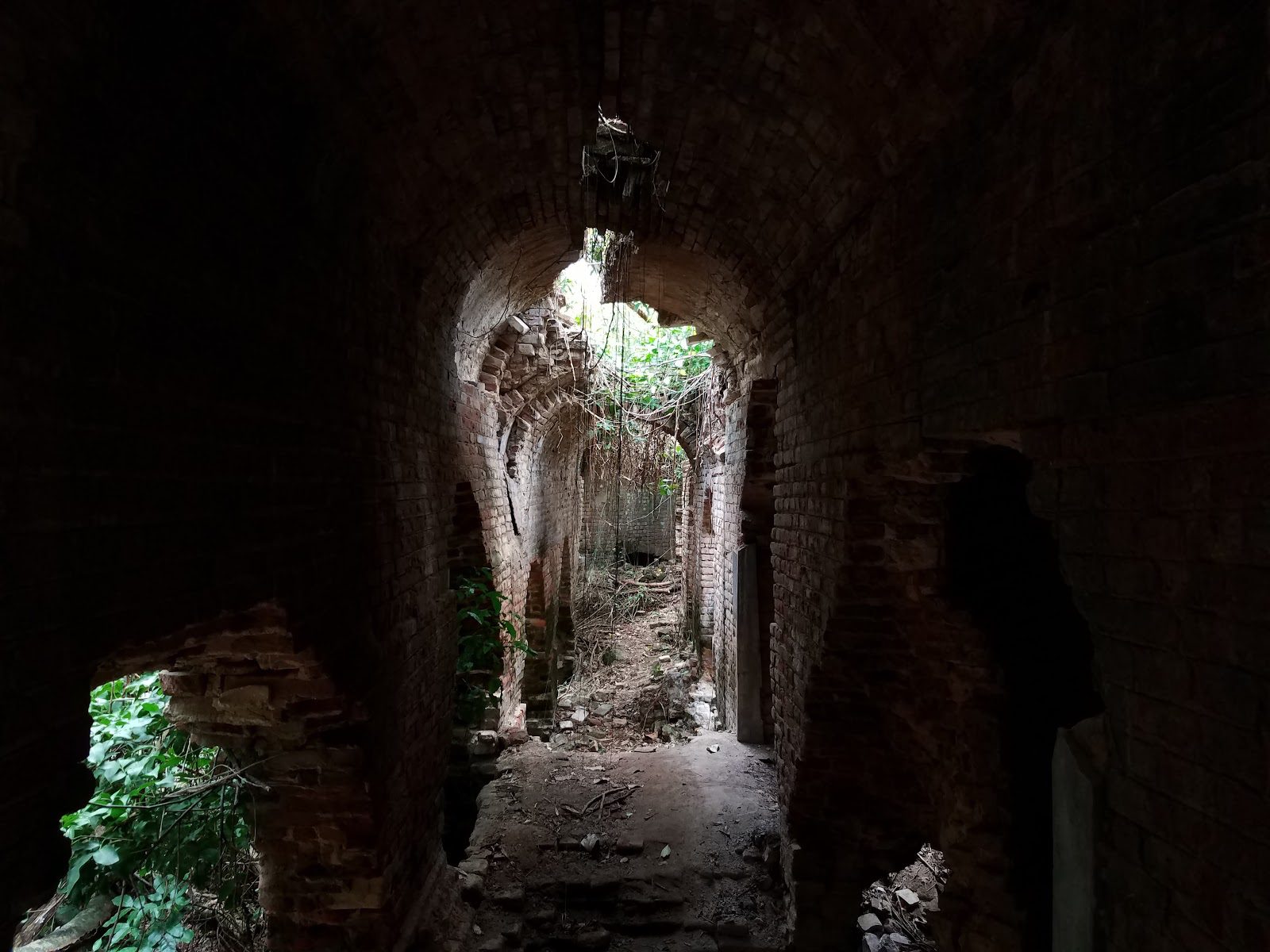
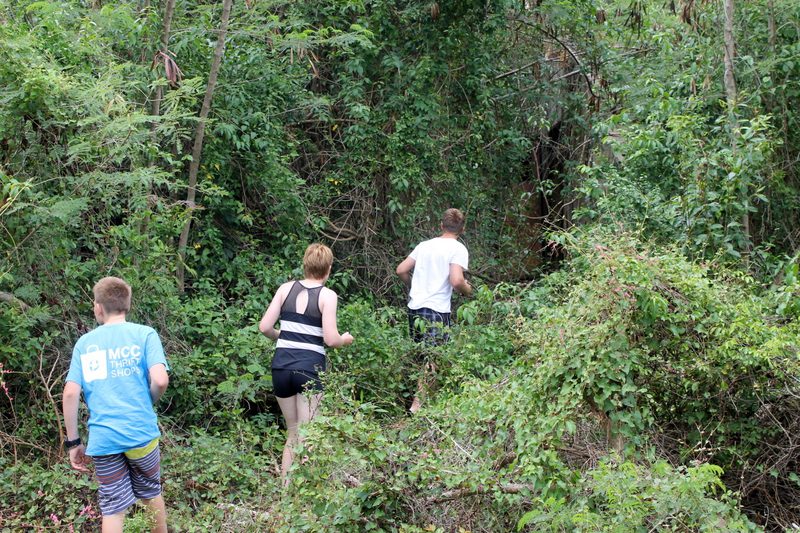
    But one of our favorite adventures of the whole trip was the morning we set out to find Green Beach. It still hadn’t reopened, so we took off on a small side road where we discovered loads of abandoned bunkers.
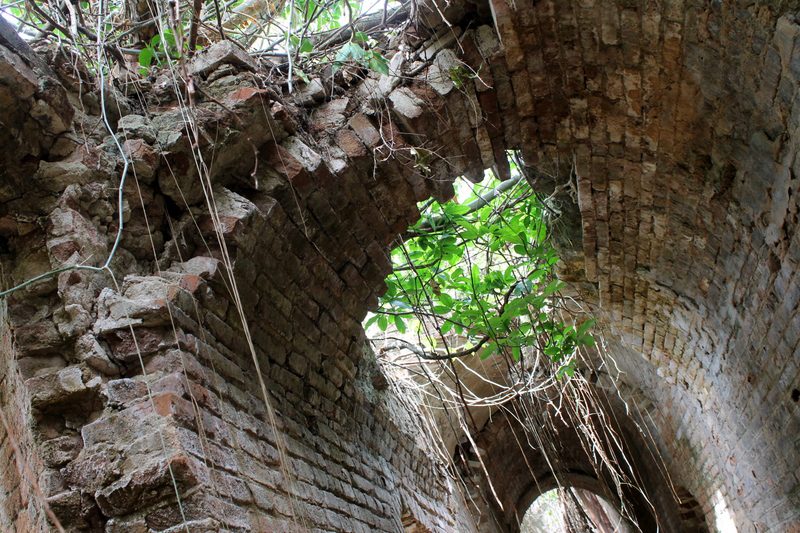
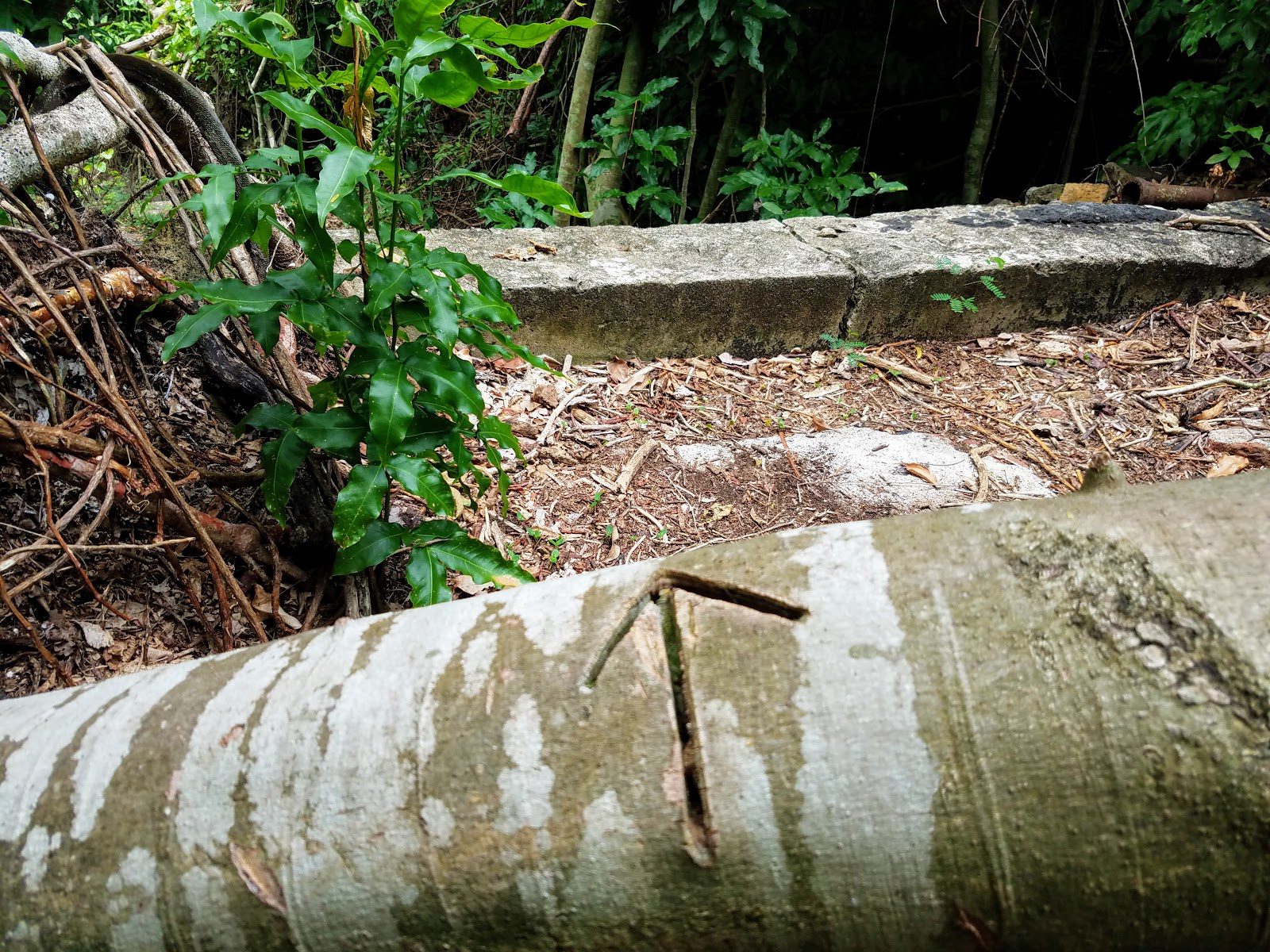
    Some were completely overgrown with vines, some eerily packed with gaudy party remains, the doors gaping, and others with mountains of old TVs, and still others completely vacant save for empty wooden boxes. The acoustics were great, the ambiance sinister and creepy.
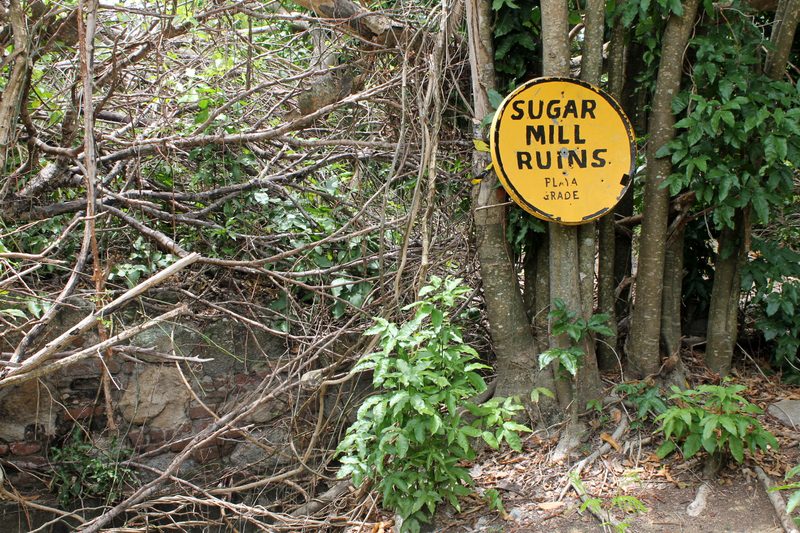
    And then, finally, we found what we were really looking for: the sugar mill ruins!

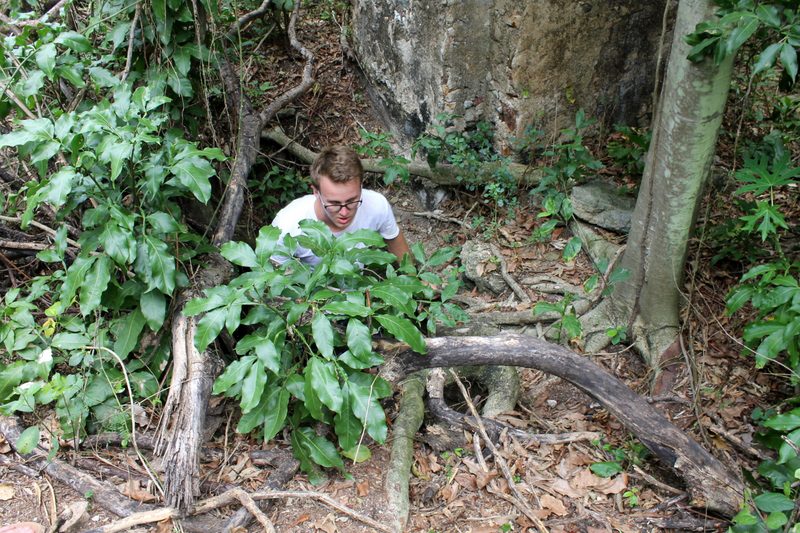
    It didn’t look like much, but I hoped that the trail would lead us to one of the beaches we were hoping to find. The kids quickly disappeared into the woods and soon started shouting at us to come see.

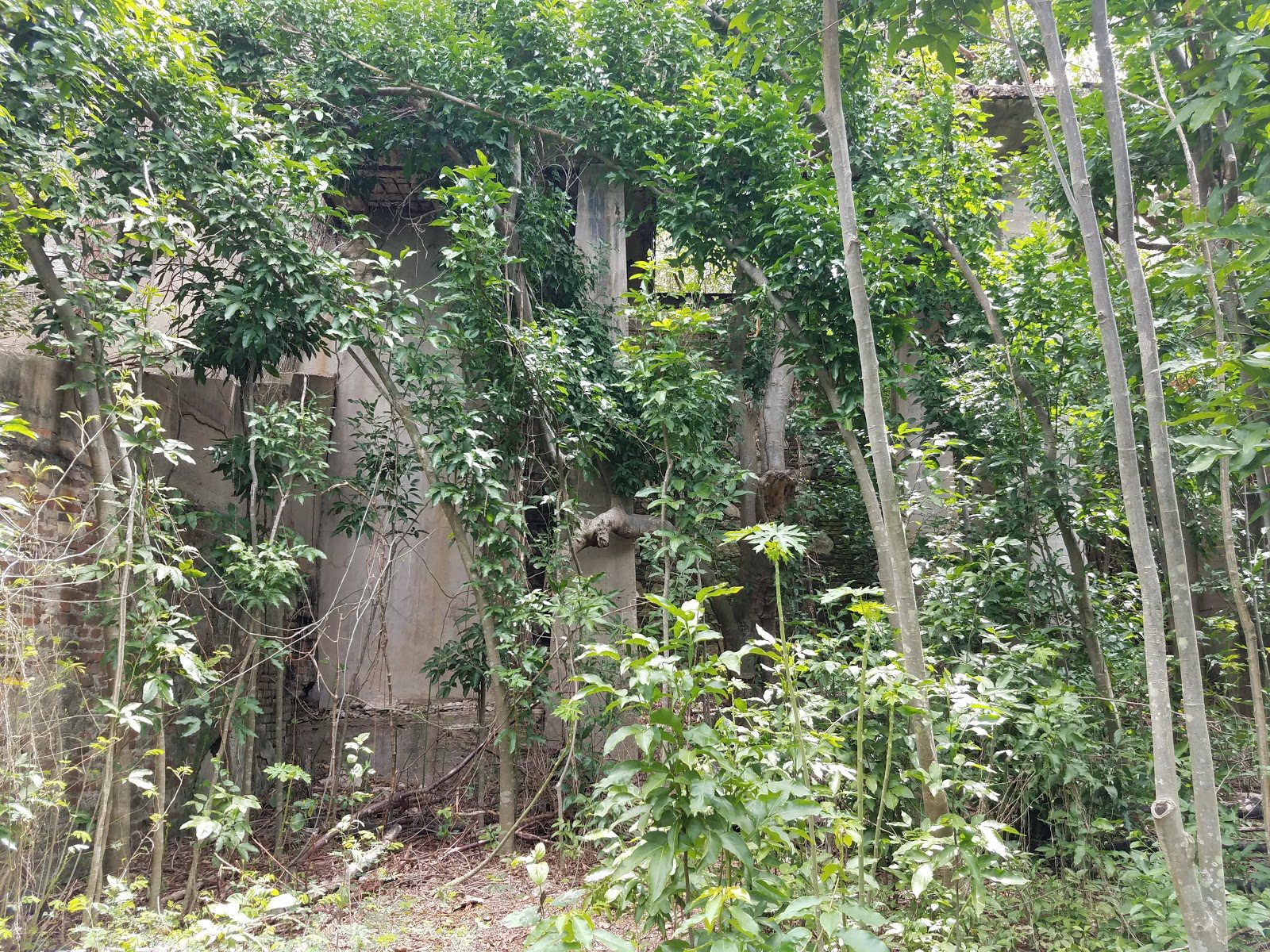
    The ruins were there all right (no beach, though)!

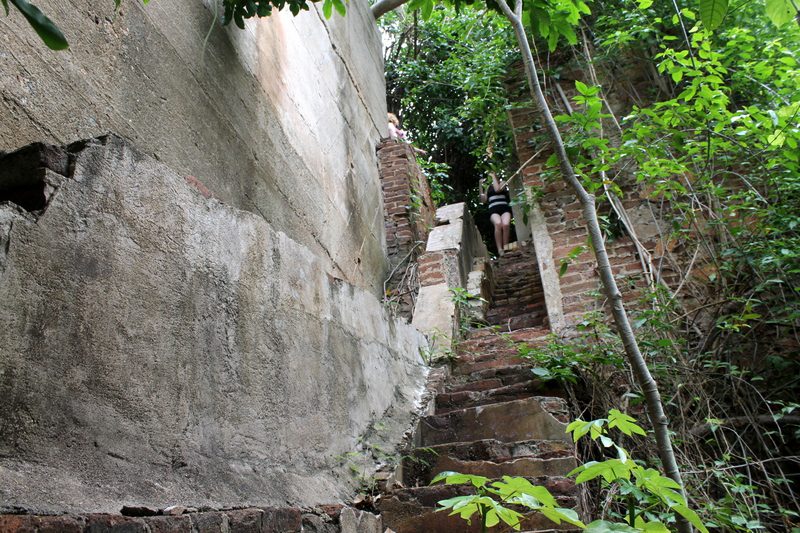
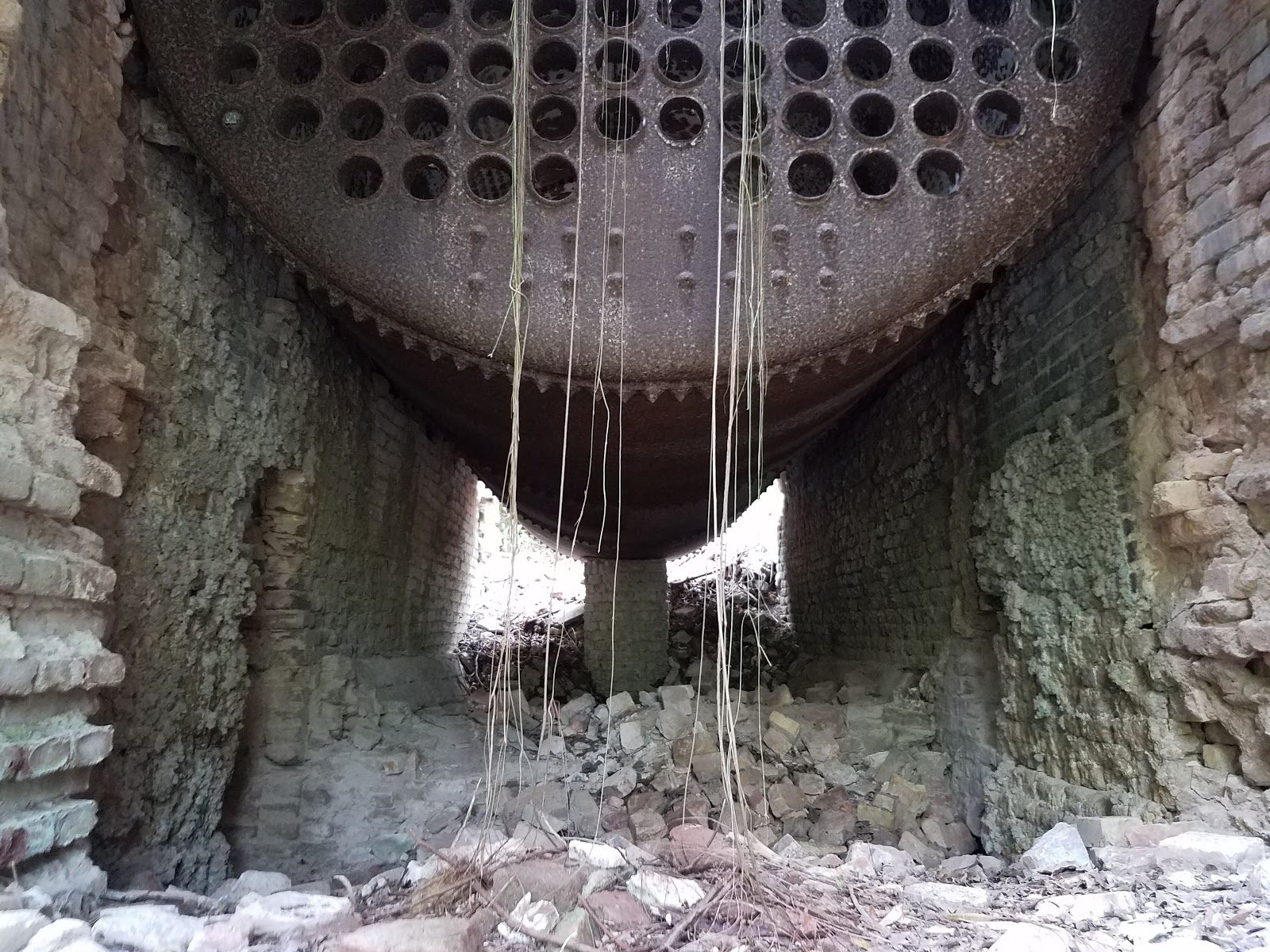
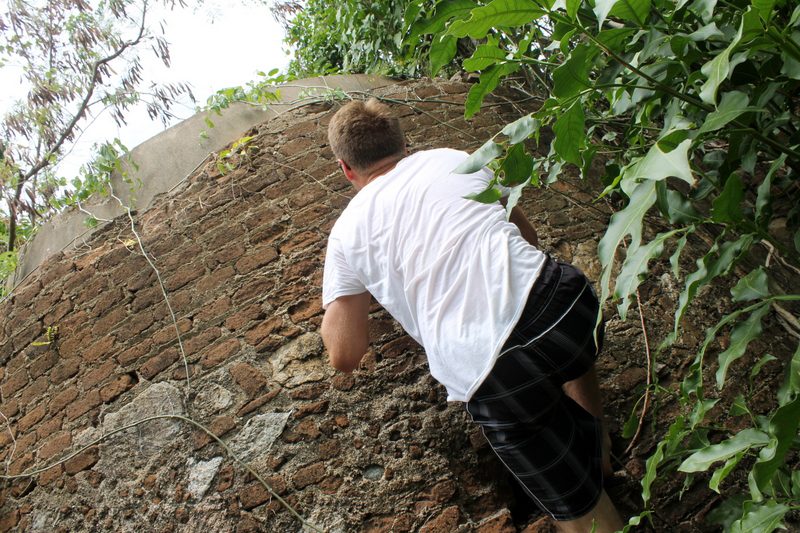
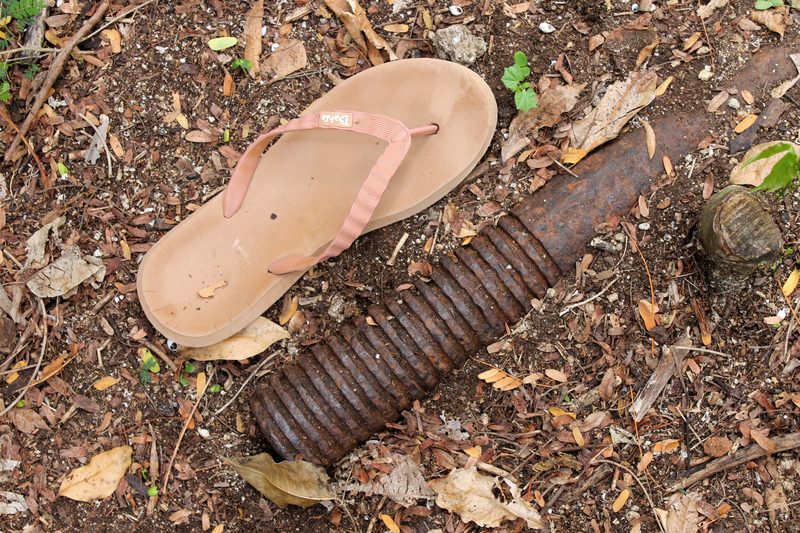
    The more we explored, the more we found: narrow stairs, boilers, monster screws, troughs, towering walls, tunnels and arches.

    The kids even found holes that led back to other cavities — they would’ve gone underground exploring if my husband and I hadn’t ordered them to get back up here right this minute. (Back in Ponce, I did research on the mill and found this fascinating video tour.)

    Vieques is a fascinating, quirky, and beautiful little island…

    … but I was taken aback by how much it seemed like a ghost town.

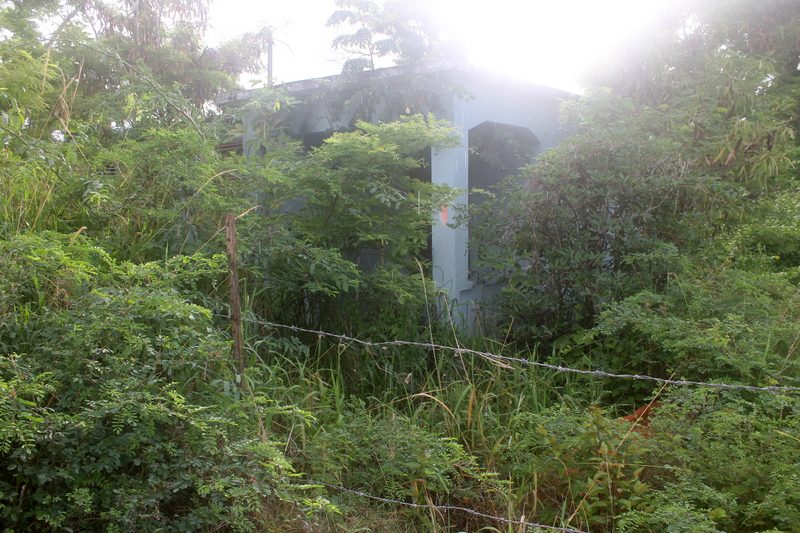
    Abandoned houses were everywhere.
    Shops were shuttered.
    Beaches closed.

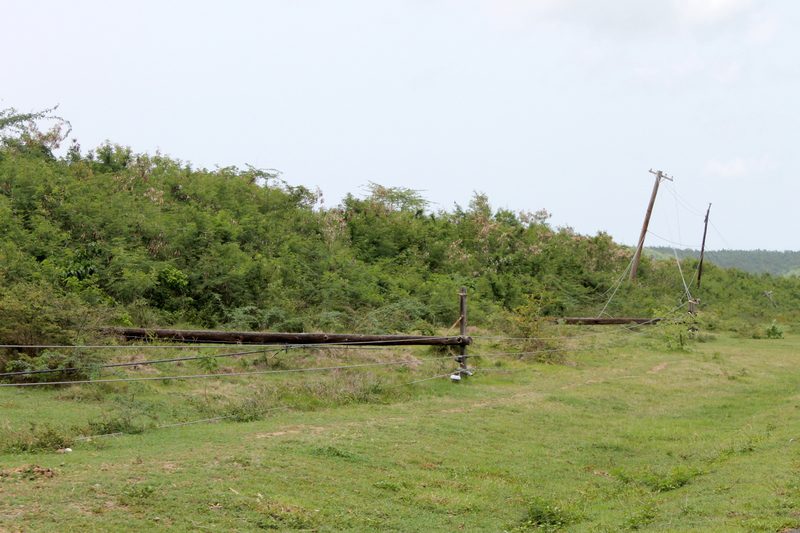
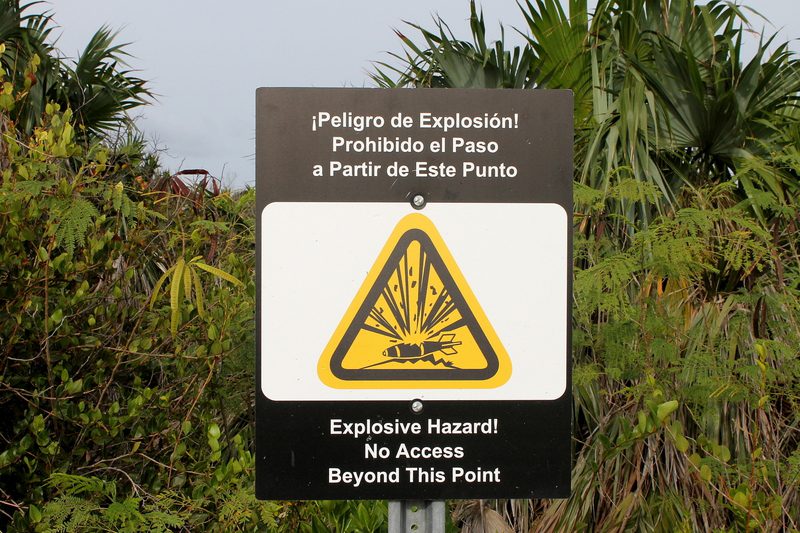
    It was hard to know if this was due to the hurricane, to the economic recession, or to the fact that the US used its beaches for bombing practice for 60 years. The US Navy left at the start of this century, forced out at long last by advocates. Now, the islanders have astronomically high rates of poverty and cancer (we saw sick people both coming and going on the ferry, on their way to the mainland, presumably for treatments). In certain parts of the island, signs were posted every few yards reminding visitors not to stray from the path and to keep on the lookout for unexploded ordinances.

    (A few weeks ago I met a gentleman, a political activist, who was one of the handful of protestors who camped out in an abandoned army tank on Vieques to prevent the bombings, for a full year (in 2000, I think). The area was highly radioactive. Nineteen of the other protestors have since died; he’s had cancer three times.) 

    Whether or not (and when) we’d get a ride back to the mainland was once again a toss up, but we were much less stressed now that our few precious days of vacation weren’t hanging in the balance. And despite being number seven on the standby list, and the very last car to board — they had to shift our row back so we could fit — we made it on!

    So in the end, everything went according to plan, whaddayaknow.

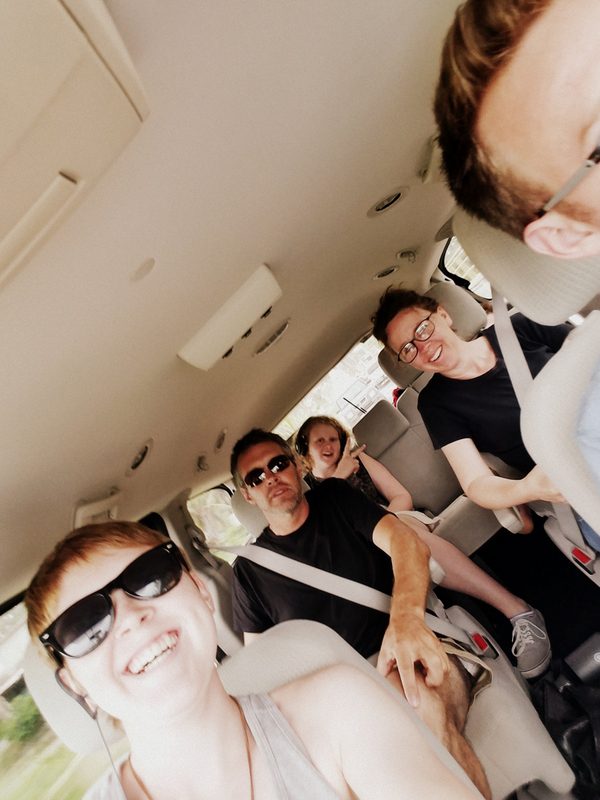
    For a change of pace, we took the coastal roads back to Ponce (with a driver shake-up, to boot), and arrived home refreshed and tired, ready to plunge back into our work.

    Two months down, two months to go!

    This same time, years previous: the quotidian (7.3.17), the summer’s first trip, creamy cauliflower sauce, our 48-hour date, berry almond baked oatmeal.