• do you strew?

    Strew, according to Wiki: scatter or spread (things) untidily over a surface or area. 

    I’ve heard about strewing through a number of sources, but most recently through my reading in relation to unschooling (or self-directed learning). Simply put, parents scatter interesting materials around the house so the children (and adults, I suppose) have a wide variety of fascinating things to grab their attention. It’s a way of introducing ideas and information without being imposing. The decision to seize on it (or not) is up to the individual.

    I am not adept at strewing. I often guess wrong at what might snag, and then I get discouraged when my carefully laid plans get ignored. It’s too much bother. Better to just send them outside to play with sticks.

    But then two things happened. First, I read an article about how homes (the lived-in ones, anyway) are like museums: chock full of collections, stories, projects. Suddenly I saw my home through different eyes. Look at all the amazing stuff we have here to learn from! do! experience! explore! How can I make it even more interesting? Second, my younger children are playing more with the written word, and my older son begun to read the magazines and newspapers we have laying around—his interests are broadening and deepening.

    A couple years ago, we inherited 30-plus years’ worth of National Geographics in mint condition. Lacking an immediate shelving solution, we stuffed them in the attic. Ever since then, we’ve been brainstorming where to put the collection. It drives me slightly crazy that the magazines aren’t sitting at the ready in the main area of the house. All those intriguing topics and issues, not to mention the incredible photography (fact: it takes an average of 20,000 photos for one National Geographic article) just hiding out in the dark.

    Several weeks ago, the stars aligned (at least, the ones in my brain did) and I got the brilliant idea to strew them. I set an old plant stand by the toilet and on the stand I set three magazines. Each week, I switch them out for three new ones. Days go by when they don’t appear to be ruffled, but then one will walk off and show up in a different corner of the house, by a bed perhaps.

    My strewing is extending beyond the National Geographics. At the thrift store, I happened upon a book of interesting facts. I bought it and set it on the throne’s stool. It disappeared almost immediately. (In fact, I don’t even know where it is anymore.) My son claims he’s read the entire thing. He’s been quoting random bits of weirdness ever since.

    By no means am I an expert at this strewing business. Now, however, my antenna are up. Mind games and puzzles, casually placed on the art table, might be fun, as well as more fact books, I think. And maybe some magazines artfully opened to some human interest stories, yes? Some items I might buy new, others I can pick up at the thrift store, and still others I’ll lift from my own shelves and cupboards. It’s the same idea as rotating toys, just on a slightly more evolved level. And it feels like a game—one that involves observation and crafty, hush-hush maneuvers. It’s also one in which everyone wins.

    Do you strew? What, from your experience, makes for good strewing?

    This same time, years previous: heading north, the quotidian (7.30.12), a quick pop-in, shrimp, mango, and avocado salad, and summertime pizza.  
  • the quotidian (7.28.14)

    Quotidian: daily, usual or customary; 
    everyday; ordinary; commonplace


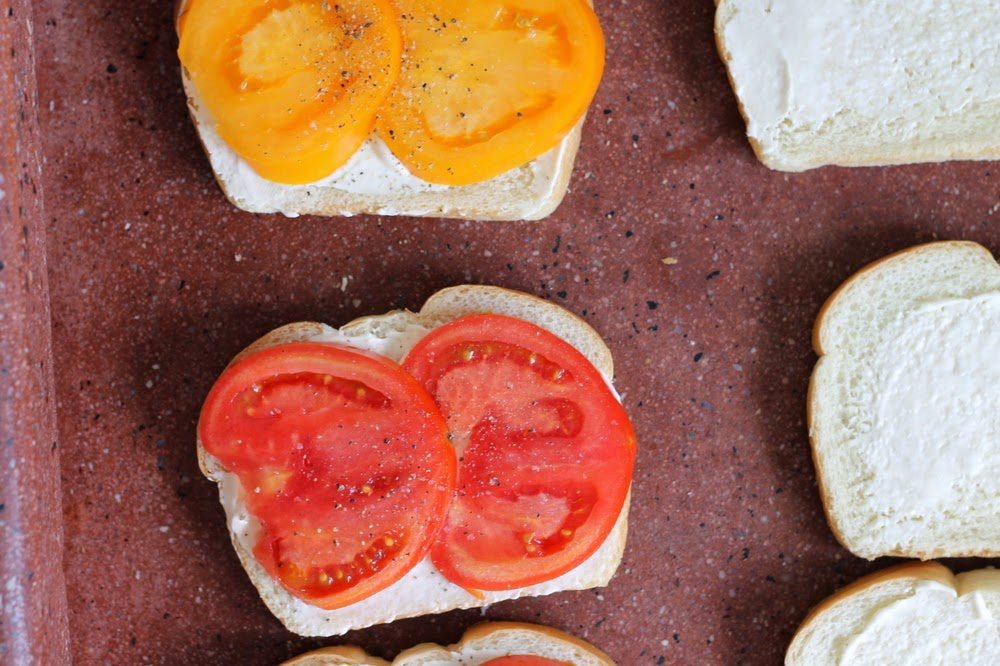
    My older son ate five sandwiches—FIVE—before calling it quits.
    (Our friend gave us these beauts since our maters are still several weeks out. 
    I’m getting dangerously impatient for them to ripen. As in, I’m
    contemplating blowing the budget at the Farmers Market).
    Under bean siege.

    Gonna make me some pickles.

    Comparing squats.

    Making music (or trying to). 

    *** 

    And now. For the pet edition!

    Because puppies are exciting!

    Puppy prince.

    Puppy kisses.

    Even Jessica digs the puppy love.

    Canine squirt gun.

    When Charlotte walks on the scene, they throw themselves under her like it’s a bomb drill.

    Privacy, interrupted.

    This same time, years previous: we’re back!, rest and play: lizards! volcanoes! giant drinks!, the girl and the tea party, the girl and her friend, the boy and the bike ride, roast corn with lime and feta, classic bran muffins and banana bran muffins, July evening, spicy Indian potatoes, Indian pilaf of rice and split peas, little bits of smile in a cup of sad, and blackberry cobbler.        

  • a riding lesson

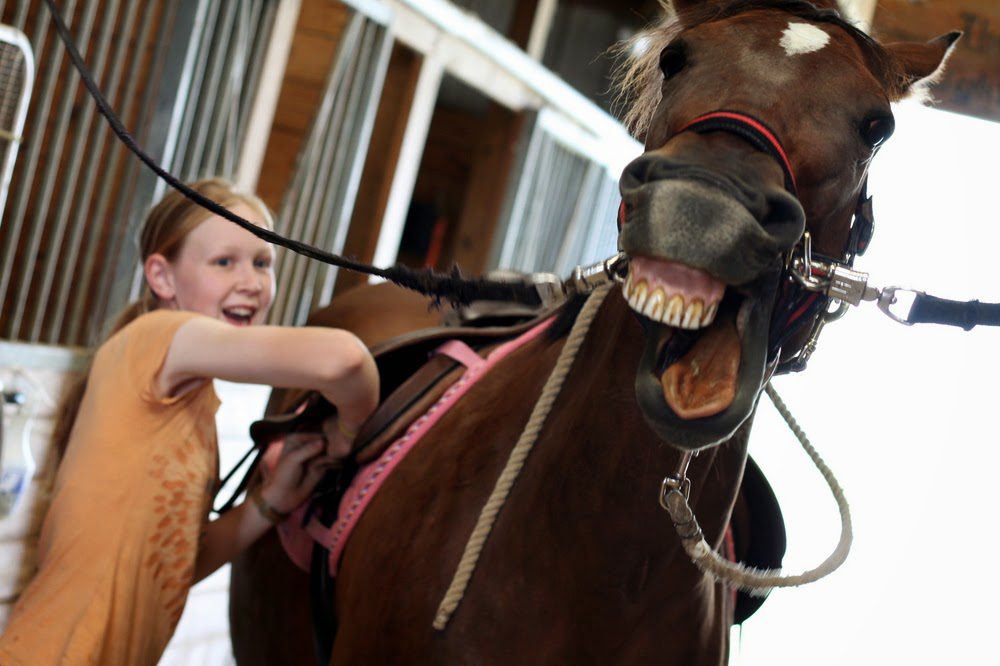
    My older daughter fusses that I never come take pictures of her riding lessons.

    I find it interesting that instead of asking me to come watch, she wants me to “come take pictures.” Does she equate picture-taking with focused attention? Does she think the only way I see my children is through a lens? Or maybe she thinks that photographing an activity gives it higher merit? On the other hand, maybe she’d just like to have some pictures of her sweet self on a horse? I suppose it could be as straightforward as that.

    Anyway, last week (or the week before? I don’t remember) I attended her afternoon riding lesson. She was slated to jump—it’d be her second time jumping a horse. She was excited. I was curious. The horse was frisky.

    The first part of the lesson consisted of her riding the horse all over the ring while the instructor called out instructions (because that’s what instructors do, duh). Problem was, I couldn’t understand what they were saying. As the lesson progressed, I started to understand the key phrases, but all the little stuff in between? No idea. It was a different language completely.

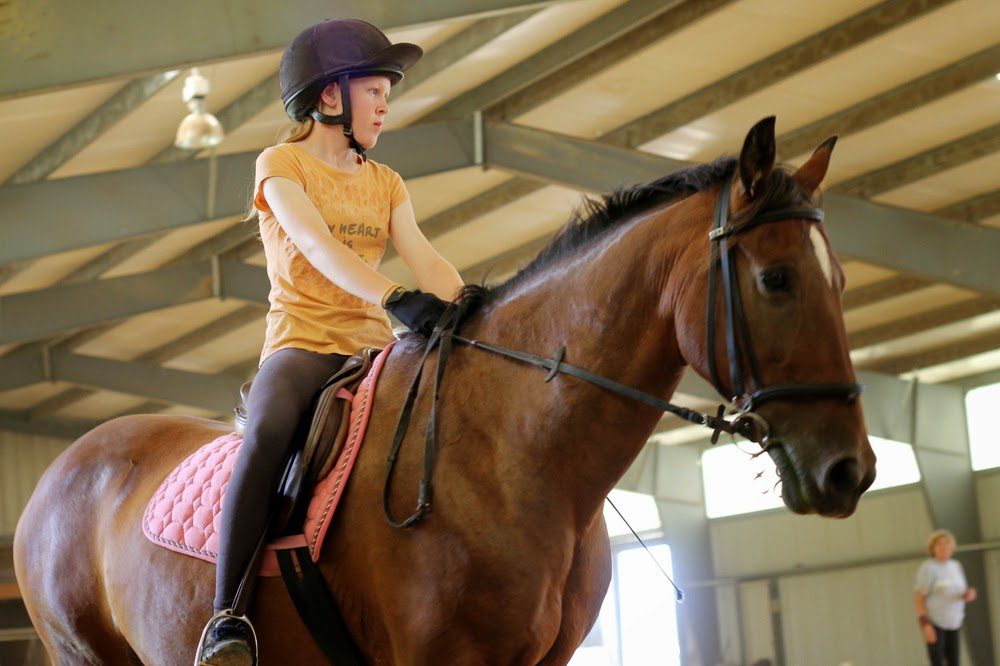
    Such focus!

    Please note: I am alarmingly oblivious as to what exactly it is that my daughter is doing. It was a month or two in to her farm work that I learned what kind of lessons she’s having (an idea in itself that is mildly bewildering because I didn’t know there are more than one kind of riding lessons). The riding lessons she’s taking are called dressage, pronounced, according to the locals here, “drah and then “sage,” as in corsage. It’s French and it’s fancy and it’s a full body-brain sport. It’s also beautiful to watch.

    (As further proof of my slowness, it wasn’t until last week at the barn when I heard her say, So and so started taking lessons here because she wanted to learn “leg yield” that it finally clicked: Oh! The horses are taught to YIELD to your LEG. There is rein work, too, yes—when she first started she got blisters between her fingers—but the legs are doing the driving. How cool is that?)

    Back to the lesson. The instructor told her to take the horse to a trot, though not in those word, of course. The horse sped up and suddenly my daughter started rising up in the saddle and settling back down every two beats. It was so unexpected that I actually gave a start. It was like dancing, graceful and precise. (I’ve since done some research. It’s called posting on the diagonal. I think.)

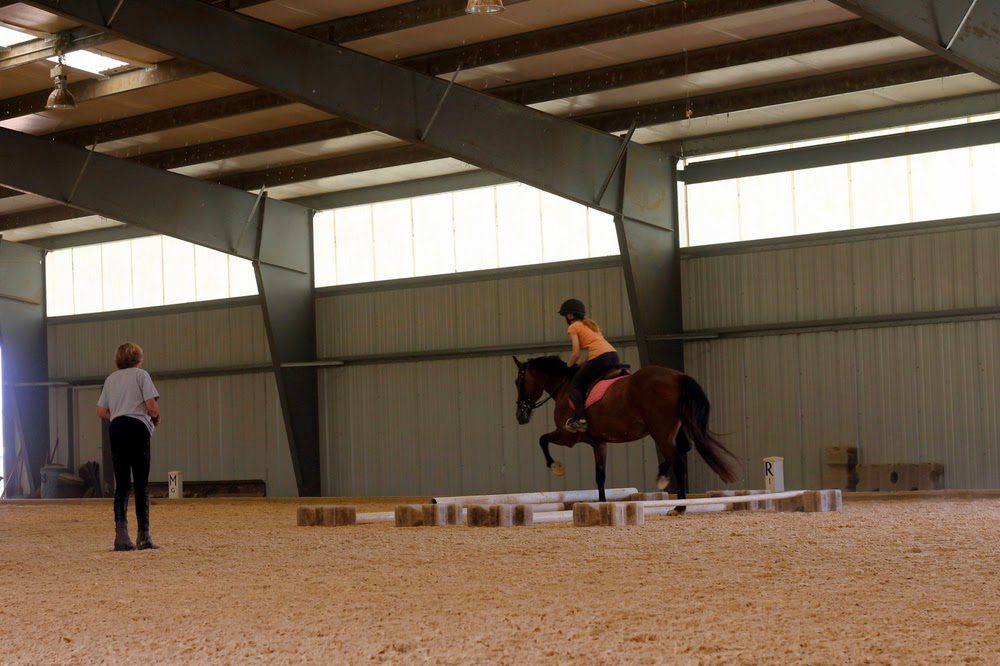
    Walking the horse over the bars. 
    For the jumping part, they raised them a couple feet at one end.

    And then there was the jumping. This was only the second time my daughter had ridden this particular horse, which happened to be a strong-willed, feisty, and alarmingly large animal. Much time was spent getting the horse to walk in tight circles, stop and start, slow, walk over the bars, etc. Finally, at just the right moment, the instructor gave the green light. Up and over went the horse. The workers applauded and cheered. The instructor came over to make sure we understood the full magnitude of that jump. I didn’t, of course, but I appreciated that everyone else did.

    And then the lesson was over.

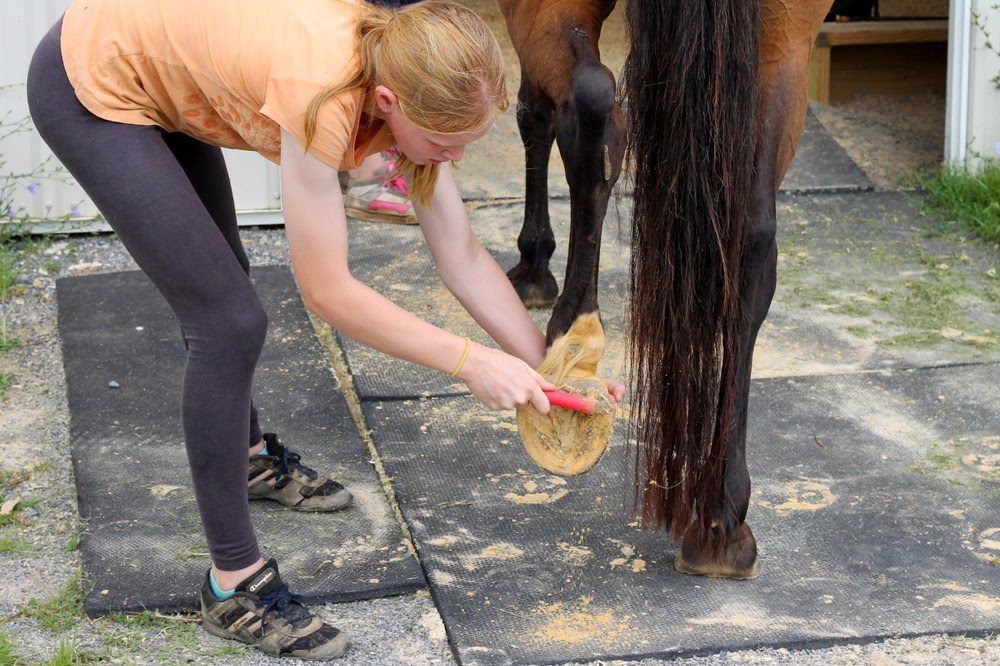
    Getting her head as close to the powerful hind feet as possible. 
    I took a picture and then dedicated all my energy to not thinking too hard.


    This same time, years previous: rellenitos, the quotidian (7.23.13), pumpkin seed pesto, cucumber lemon water, birthday revisited, limeade concentrate, brown sugar granola, and Dutch puff.