• grocery shopping

    One of the things that has been difficult for me to adjust to is the grocery shopping. In the states I had two large freezers, one large refrigerator (with yet another freezer up top), a basement stocked with dozens of jars of canned goods, and a pantry stuffed to the brim with sacks of oats, wheat, gallons of oil, etc. Here, I have one medium-small refrigerator with a small freezer on top, a few small baskets for storage, and no stash of home-canned/frozen foods to draw upon.

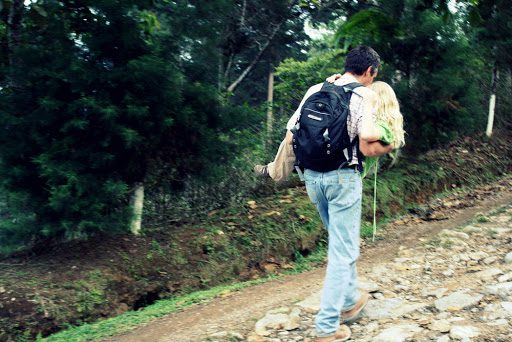
    Oh, and no vehicle. (How I long for the ease of loading up the back of a van with bag upon bag of groceries and then driving directly to wherever it is I want to go, no waiting, no paying, no walking, no hauling, no flagging down of taxis or buses, no getting my toes squashed…)

    This means that anything purchased in town has to be lugged—via taxi, bus, or foot—to our house. A gallon of milk is heavy. An open flat of 30 eggs is cumbersome. A watermelon, two pounds of potatoes, a bag of sugar, and a bottle of oil will break your back, given a mere twenty minutes of toting.

    jelly and peanut butter: the empty containers make perfect drinking glasses

    That, combined with the sticker shock—Q22 for a box of cornflakes! Q42 for 8 ounces of cheese! Q26 for a 3-quart jug of milk (it’s about Q8 to the US dollar, so even though the prices might be reasonable, or even cheaper than in the States, it feels everything is through-the-roof expensive)—means that I can hardly stand to buy more than one of each item. “Stocking up” means spending hundreds of quetzales in one quick go which is oftentimes more than my psyche can stand.

    So…here’s how I do it. Every day on the way back through town, I (or my husband) pick up some groceries. If we space out the acquisition of the melons, flats of eggs, jugs of milk, loaves of bread, and dozens of bananas, then it doesn’t feel quite so overwhelming.
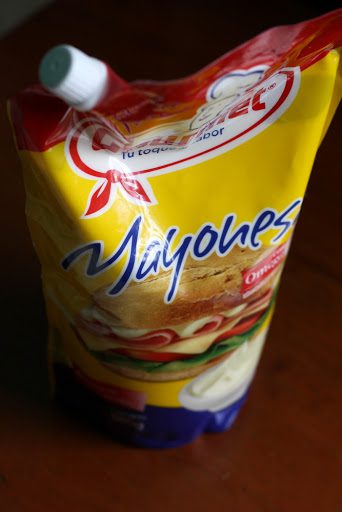
    mayonnaise: the condiment of choice in these here parts

    Despensa Familiar is the name of the one grocery store in Chamelco. If I understand correctly, it was recently bought out by Pais, another grocery store chain, which, in turn, is owned by Walmart. Which means that I get my groceries at Walmart.

    shelf-stable regular and lactose-free milk: we keep a collection always on hand, for just in case

    La Despensa, however, doesn’t look anything like a Walmarts in the States. In our little Despensa, there are about three aisles of food (about half of which is cookies, soda, and candy), and tiny sections each of produce, meat, and frozen goods. There are several aisle of toilet paper and shampoos.

    fabulous, wonderful, oh-so-delicious honey

    Upon entering the store, shoppers are required to place all bags and packages into one of the lockers right inside the entrance. There are keys dangling in the locks—lock your stuff up, take, the key, go shopping, and then fetch your stuff before exiting the store, leaving the key in the lock for the next person. The couple of bored guards stalking around the entrance are added protection should the locks not be adequate.

    Once the stuff is safely stashed (often times I feign cluelessness and keep my backpack on my back—I have yet to be reprimanded), I grab one of the drag-along-behind wheel-y baskets and begin the task of searching high and low for grocery items. Often on my list: oil, butter, yogurt, milk, cornflakes, bread, rice, baking powder, spaghetti sauce, pasta, coffee, jelly, flour, sugar, crackers, raisins, etc.

    an eight-ounce block of butter: it’s good

    At the checkout line, the cashier runs everything through and plops it into baskets. If I want plastic bags, I have to tell her how many and she’ll scan them, too—each one costs a few pennies. After paying, I haul my basket of goods over to the counter by the door and bag them up. I retrieve my stuff from the lockers, nod to the guards, and stagger out the door, past the destitute father and daughter crouching along the wall under the sign that cautions parents against leaving their children unattended in cars (see, this is Walmart!), and across the mostly empty parking lot to the road and the line of waiting, beat-up taxis.

  • the Chicoj coffee cooperative

    Last week we took the kids out of school early so we could tour a coffee cooperative.

    A group of Canadian high schoolers were spending the week volunteering at Bezaleel, and we decided to piggy back on their touristy outing. (It’s funny, but now that we’re here, I have almost no interest in doing any sight-seeing. I just want to go about my business, working, cooking, navigating, living. The notion of traipsing around for the sole benefit of seeing things just sounds like work.)

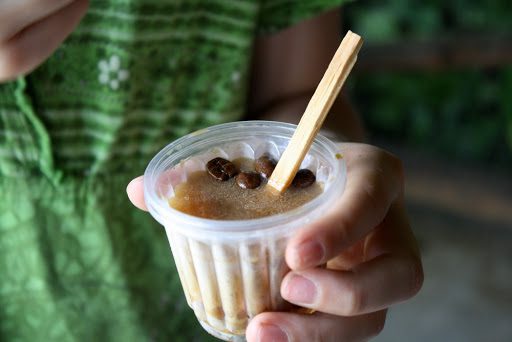
    complimentary coffee pops

    When we were in Guatemala a decade-plus ago, we toured a coffee plantation. We got to see the poor working conditions and the sheds where the workers’ families were packed in like animals.

    This cooperative was completely different. At least, I think it was. The feeling of the place was different. It had a gentler, kinder air about it. I like to think the workers are treated well.

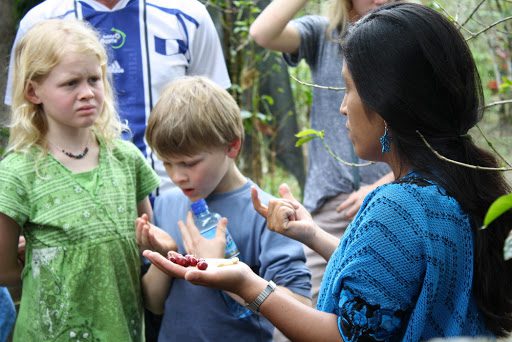
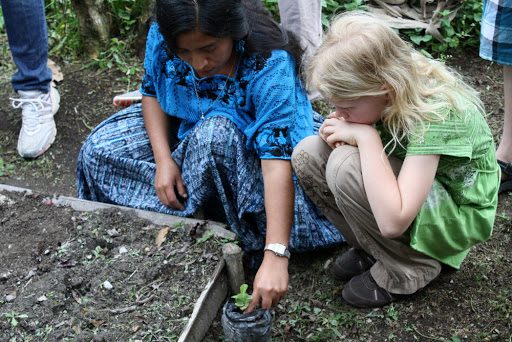
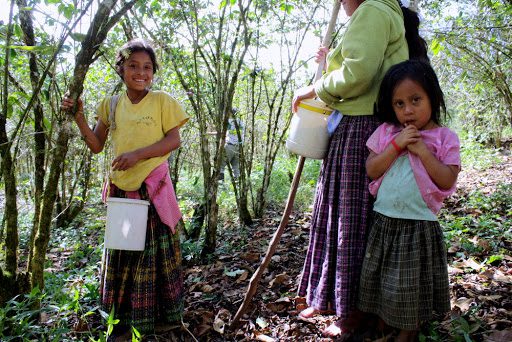
    An indigenous woman gave us the tour, detailing the growing process of the coffee plants. Let’s see if I can remember the details:

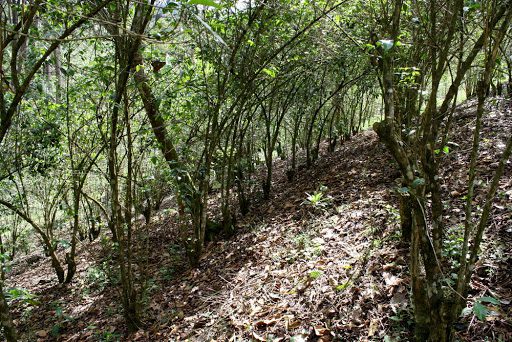
    It takes about one year from when they plant the seeds till they are big enough to put directly into the ground. Then it’s two more years till they are big enough to bear fruit. From that point on, they will produce beans for the next 30-50 years.

    Or something like that.

    *** 

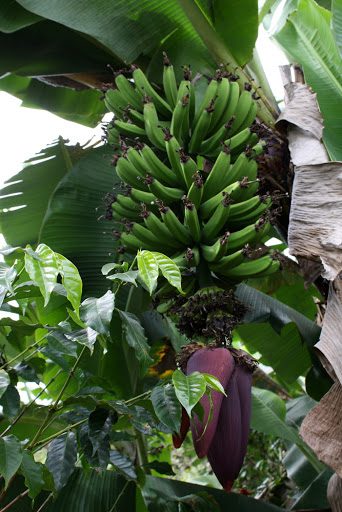
    Side note: banana plants take three years from start to finish. Each plant yields one bunch of bananas. It takes about 9 months for the bananas themselves to grow. Once the bananas are ripe, the plant’s life is over.

    Since banana plants are everywhere, I thought they had a relatively short life cycle, like a year or so. Three years is surprisingly long.

    ***

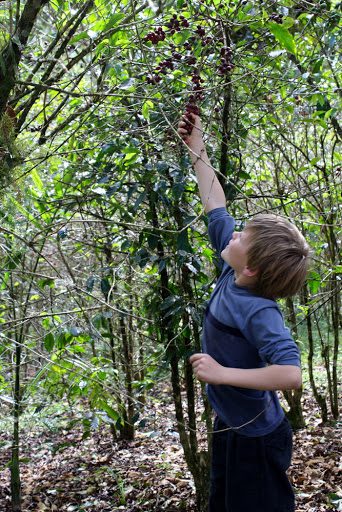
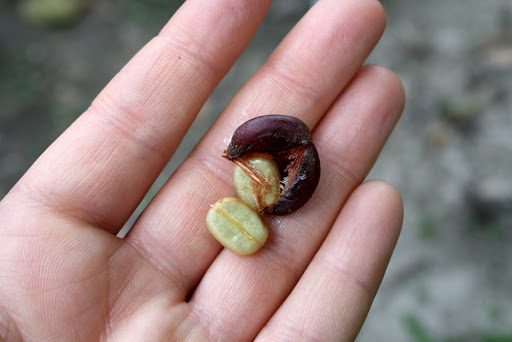
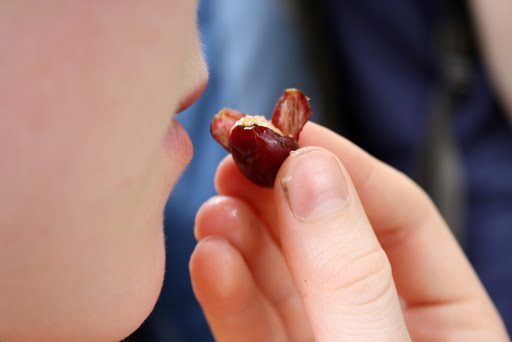
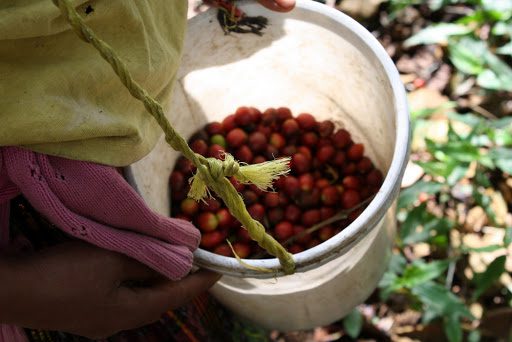
    We picked beans off the trees and peeled back the fruit to get to the seeds.

    The fruit is sweet and juicy—it actually tastes a lot like green beans.

    Right now a series of molds/viruses are damaging the Guatemalan coffee trees. Because of Chicoj’s altitude, they’ve only been affected by two of the six strands. Still, because they’re an organic farm, they can’t treat with chemicals and therefore have to cut down (a large number of) acres of trees and start over. They will be bringing in a big shipment of plants from Salvador, but it’s risky—they don’t know if the plants will survive in this climate.

    three sisters

    In any case, it was encouraging to see a large coffee plantation (er, cooperative—can a cooperative be a plantation?) doing things the slow, hard way because it’s healthier in the long run. The whole world isn’t going to hell in a handbasket after all!

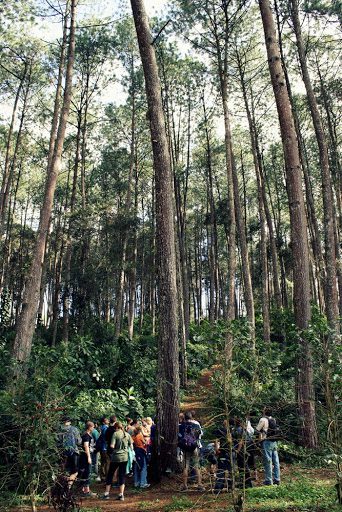
    Part way through the tour, we entered a pine forest reserve.

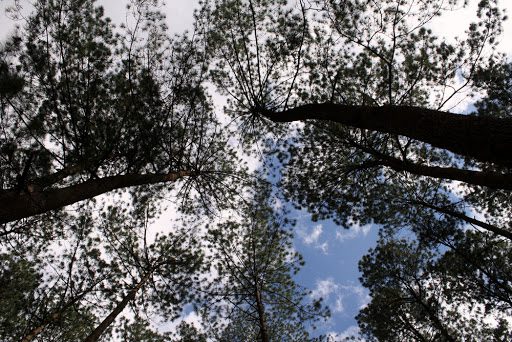
    The trees grow tall, not fat, and boy, were they ever spectacularly tall!

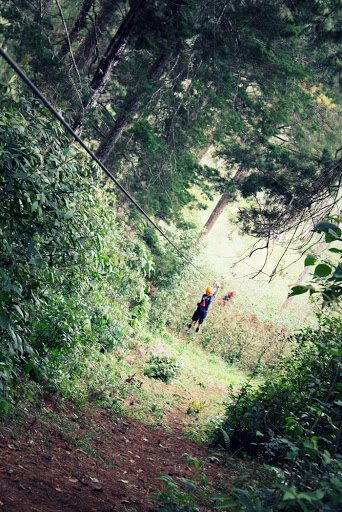
    At the top of a hill in the pine forest, we came to Station One of a six station zip line.

    I thought some of my kids might not want to do it (if you’ll recall, they already had a negative experience with a zip line), but nope. They were all over the idea of flying through the air at high speeds towards unknown destinations.

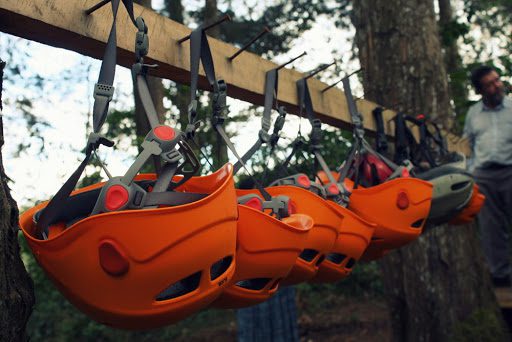
    They outfitted us with harnesses, gloves, and helmets, and away we went…

    Lift your legs when you go over the coffee trees! And, Wait! Watch out for the guy crossing the path with a sack of beans on his back!

    I was sore for the next four days. Apparently, braking—the fancy procedure in which you squeeze the rope hard with your gloved, right hand—involves a lot of stomach, side, underarm, and back muscles that don’t get much use on a regular basis.

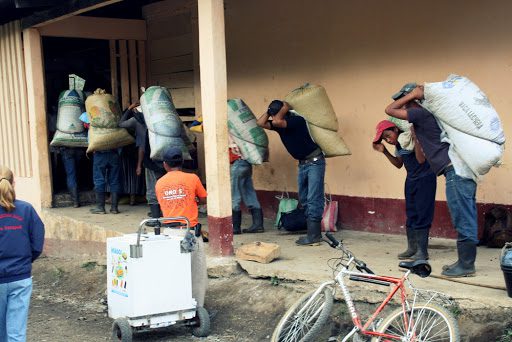
    At the end of the tour, we made it to the processing plant at the same time as the workers. They were patiently standing in line, bent over from the stuffed sacks (180-200 pounds worth) of beans on their backs, waiting to weigh the day’s work.

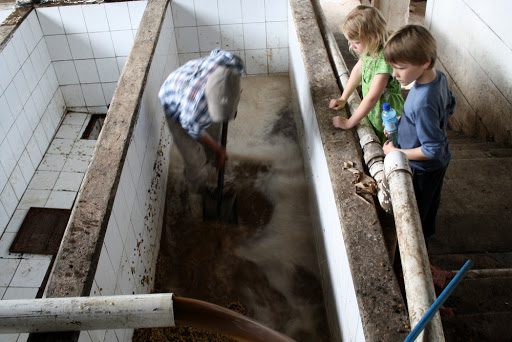
    Inside the plant, they pulverize the beans to get the fruit off.

    Then the seeds are fermented and repeatedly washed.

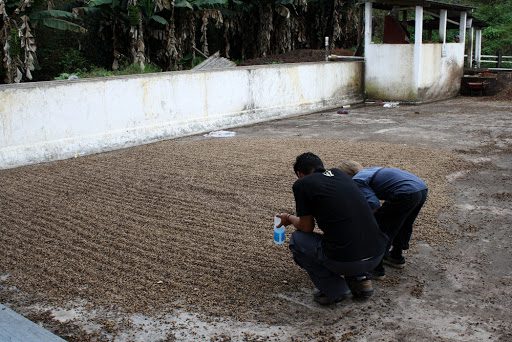
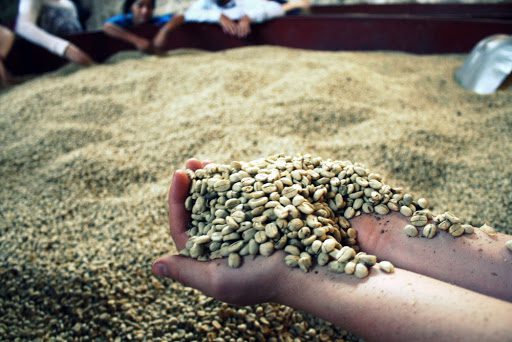
    They are dried in the sun before being moved indoors to the roaster/tumbler.

    Giant drums full of warm beans.

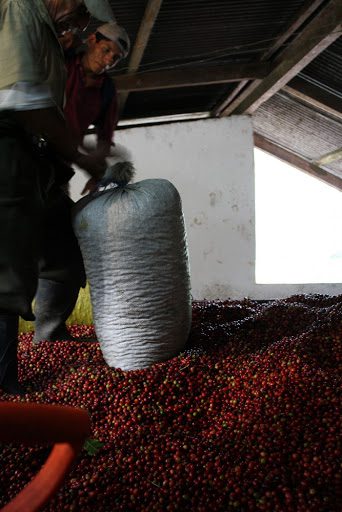
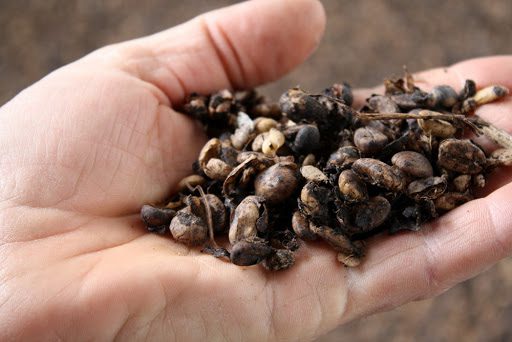
    Here you can see the beans that came from the sick plants:

    They use these beans for instant coffee and the cheap coffee that the Guatemalans drink. This coffee is ground up very finely and comes in little bags for about 12 cents each. The bags say “coffee and wheat”—I haven’t asked anyone yet, but I’m curious: do they actually mix wheat in with the coffee?

    I bought a pound of the coffee—the good stuff. The coffee in this area is highly acidic, and, it turns out, I’m not a huge fan of acidic coffee. (Medium acidic coffee comes from the Lago Atitlán area, and the smoothest coffee comes from the Petén, or at least so says my guide book.)

    The end of the tour: too tired to walk.
  • the quotidian (2.25.13)

    Quotidian: daily, usual or customary; 
    everyday; ordinary; commonplace

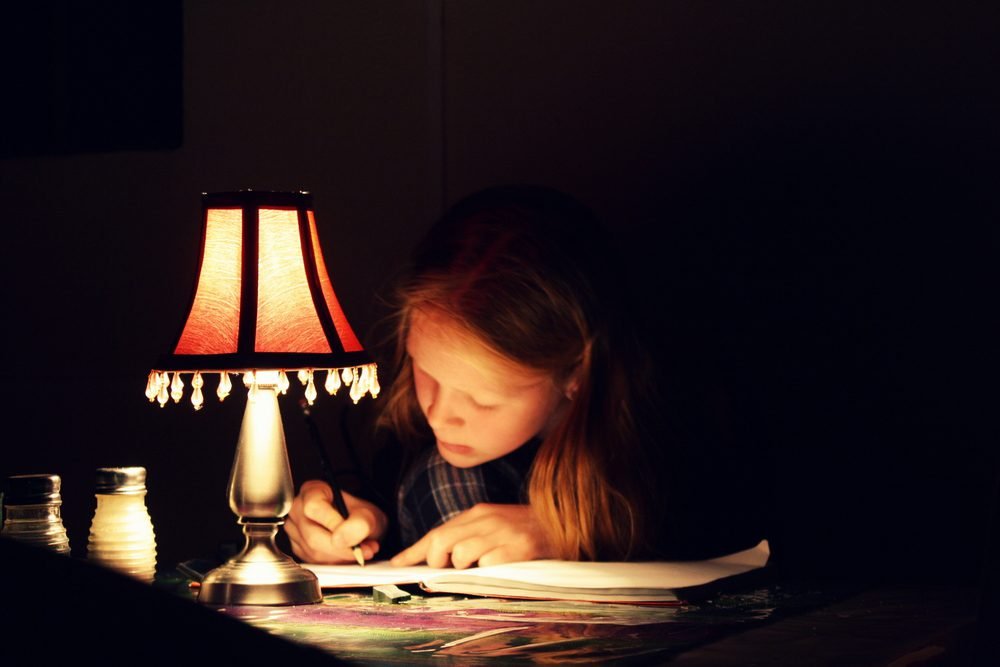
    The diligent student: up at 5:30 to do homework.
     

    Organizing my kitchen: in lieu of cabinet space, a bunch of new baskets.

    Lunch for one: flour tortilla, beans, avocado, tomato.

    Skyping!

    Using up the care package colored chalk all in one glorious, messy go.
    (Thank you, Zoe!)

    Curtain-filtered sunlight: I slept in till 6:30 yesterday morning! Such luxury!

    A small rug for our bedroom, purchased in Santiago Atitlán.

    My study: yet to come, a little bulletin board, shelf, and a couple potted plants.
    Fixed: the old washing machine!
    (I’ve named it The Santa Maria
    because something as miraculous as this
    —A MACHINE THAT CLEANS MY CLOTHES!—
    deserves a name.) 

    Dr. Seuss trees: they’re everywhere!

    Boys and a dead snake on a stick.

    Boys and firecrackers.
    Filling up the pool at The Big House.

    Power outage: supper by candlelight.