• a good reminder

    One rainy day last week, we did abbreviated studies and then spent the remainder of the morning watching Fed Up, a documentary about the food industry and, in particular, our children and the obesity epidemic.

    I highly recommend it. The children (just the younger three—my older son was at work) were totally into it. I had to pause the movie multiple times to answer their questions and check their comprehension. (And now I want my husband and son to watch it, too.)

    Some key points (as I remember them—don’t quote me!):

    *Out of 23 rats who were given the choice of cocaine water or sugar water, 20 chose sugar water. Sugar is addictive. Our culture is addicted to sugar.
    *In the same way that we are now appalled at how doctors used to endorse cigarettes, our future selves will be shocked at how we are—right now—so accepting of the sugar industry.
    *A third of our population is obese. Another notable percentage is TOFI (thin on the outside, fat on the inside). Together, over half of our population is physically sick.
    *Our government does not have our children’s best interests in mind. As they said, “The fox is guarding the hen house.”
    *Parents are in charge of their children’s eating habits, yes. But, and especially for school children who are eating cafeteria lunches and exposed to lots of prepackaged snack food, it’s like fighting an uphill battle. Processed junk food is everywhere. Socially and culturally, the odds are stacked against our children. 

    *Did you ever notice how nutrition labels don’t list the daily percentages for sugars? Thank the sugar lobbyists for that lack of information. They don’t want us to know and have fought hard for the right to keep us in the dark.
    *What is the daily allotment of sugar? According to the movie, it’s ten to twelve grams, or roughly three teaspoons. (Though I’ve read elsewhere that it’s up to 25 grams for an adult.) The point is, we should be eating practically no sugar.

    And here’s where I got confused. One cup of whole milk has 11 grams of sugar, and one apple has about 19 grams of sugar, ba-BAM. That’s your daily allowance of sugar, so forget about that small scoop of brown sugar on your morning oatmeal, that half-teaspoon of sugar in your tea, the little puddle of ketchup with your oven fries, the home-canned applesauce, or the raisins with your mixed nuts. A cookie? A muffin? Syrup on a pancake? Jam on toast? No way. You. are. done.

    Which doesn’t quite feel fair. I mean, raisins are good for you, right? So are they just talking about added sugars? Perhaps. But they clearly said that sugar is sugar is sugar. There are many, many names for it, but they all—even honey and maple syrup—have the same adverse effects. This gave—gives—me pause. Any way you look at it, we’ve got to cut back.
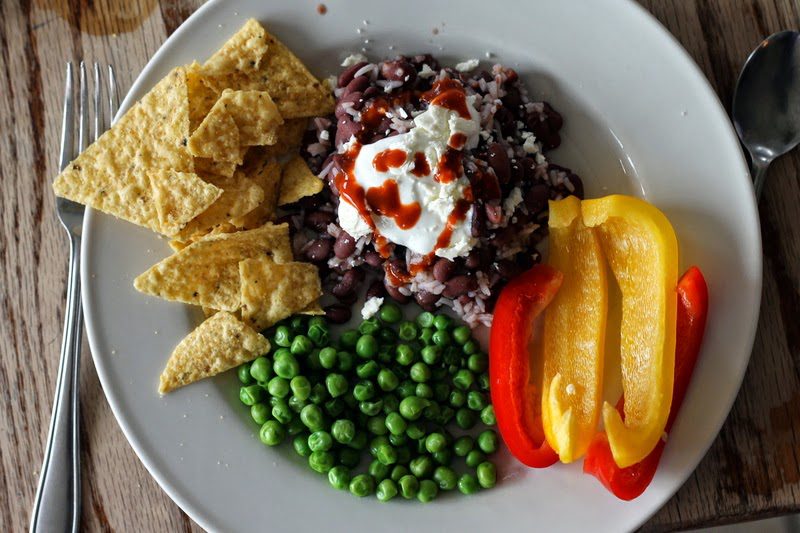
    post movie: my lunch 

    After watching the movie, I did some obsessing. I hung out in the pantry reading labels. I studied our dinner plates. I fretted and stewed. Sugar is everywhere! It seems so impossible! But now, after a few days of thinking, incorporating, and reevaluating all the information, these are the nuggets I’ve carried with me.

    1. I am addicted to sugar.
    2. Just say no to Twizzlers!
    3. Be enormously leery of packaged foods: crackers, mixes, dressings, yogurts, etc.
    4. Buy food in its natural state. Better yet, grow it myself.
    5. Beverages are real killers. Drink water.
    6. Make my own desserts.

    All these things, I knew already. But it was good to sit with the problem for awhile, to examine the facts, to wrestle with the issues, and to scrutinize my habits. Over time, I can grow desensitized to the bigger picture and blind to the little details, becoming the passive consumer that I’m supposed to be. The movie was just the kick I needed.

    Have you seen this movie? What did you think?

    This same time, years previous: the quotidian (3.17.14) and oatmeal pancakes.
  • the quotidian (3.16.15)

    Quotidian: daily, usual or customary; 
    everyday; ordinary; commonplace


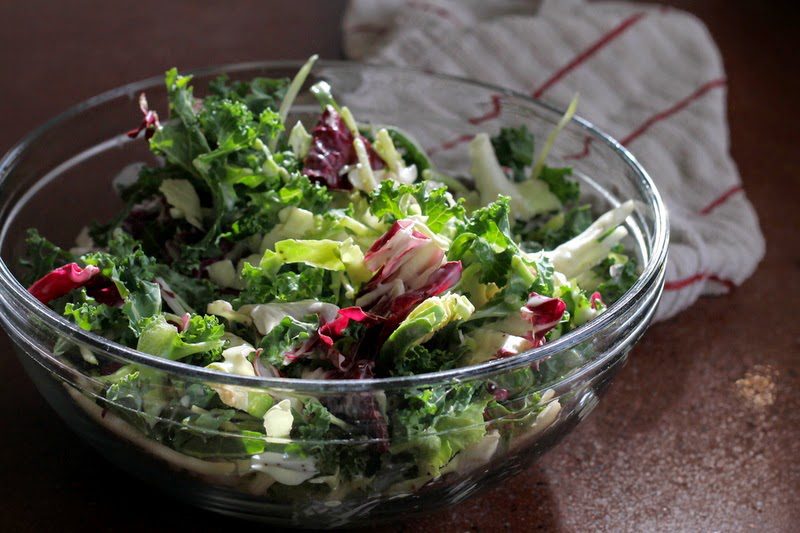
    I ate it like there was no tomorrow: winter salad mix.

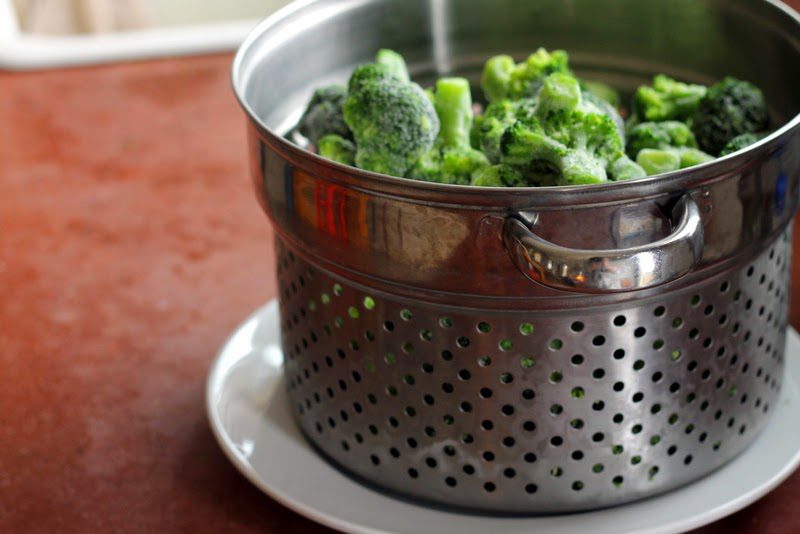
    If cooking broccoli, make extra. It always gets eaten.

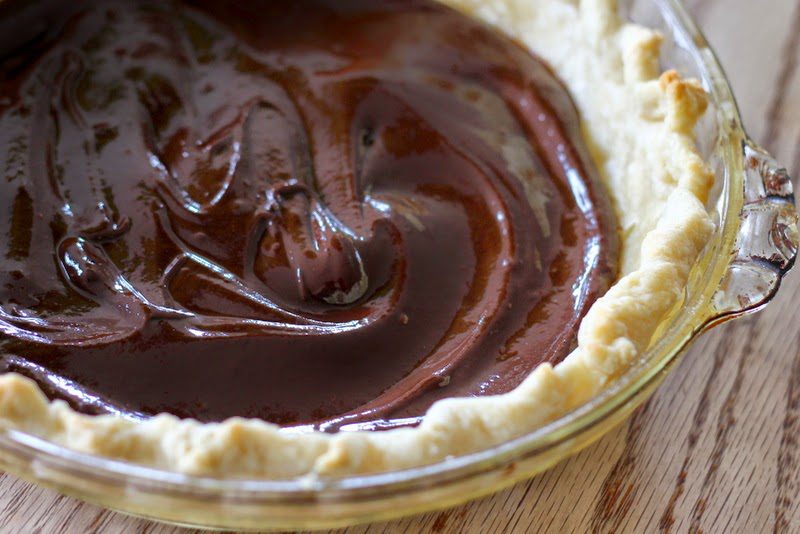
    Deb’s pi day pie was an abject failure: the oatmeal tasted like stale play dough. 
    (The black bottom part, however, was brilliant. Absolutely brilliant.)

    One week ago. 
    Today it’s over 70 degrees and the kids are begging to go swimming.

    Look at all those bare feet!

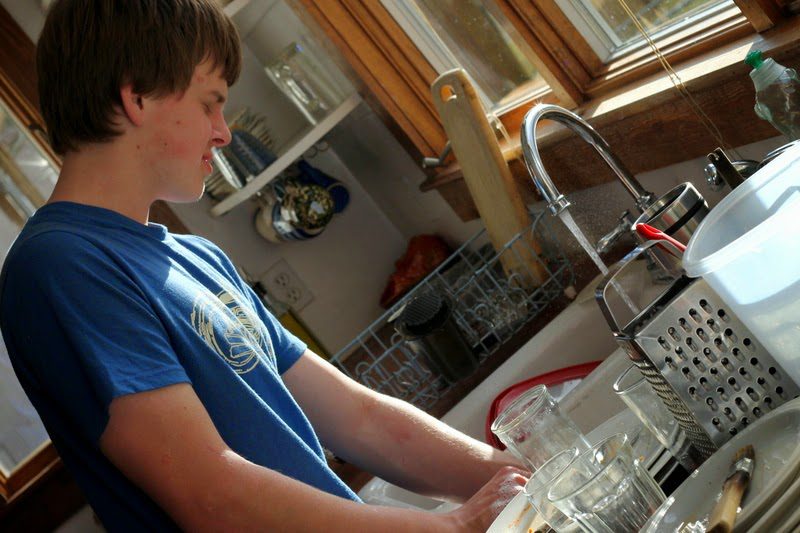
    A sure sign winter is fading: washing supper dishes in the blinding sunshine.
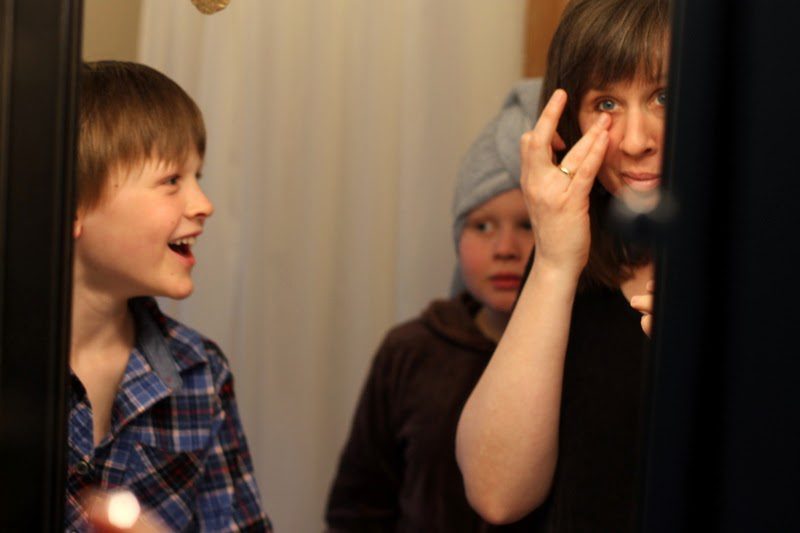
    Pre-show entertainment: putting on the stage make-up. 

    This same time, years previous: smiling for dimples, bolt popcorn, warmth, from my diary, cornmeal blueberry scones, my reality, enhanced, cherry pie. bedtime ghost stories, a religious education, and butterscotch pudding.      

  • raspberry ricotta cake

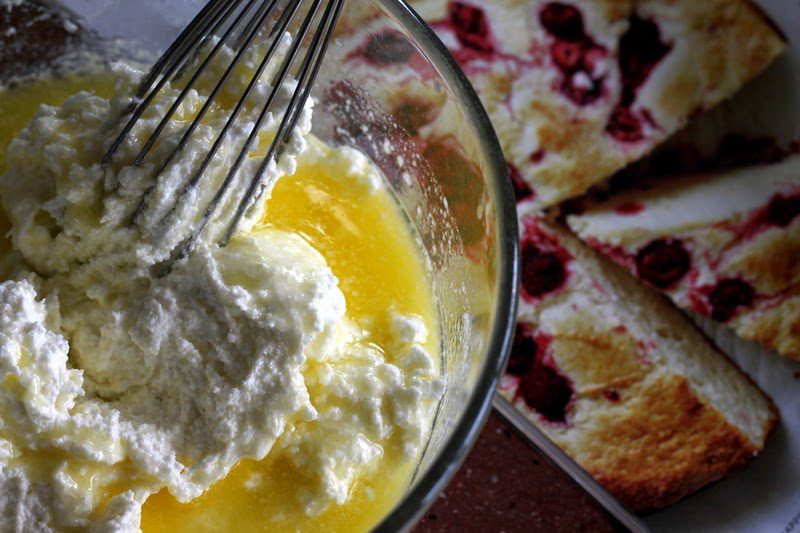
    I’m a sucker for cake, the more straightforward and simple the recipe the better. So when I was paging through the latest Bon Appetit, their berry ricotta cake—with the tagline, “This super-simple recipe is panic-free”—leaped right off the page and into my brain.

    Actually, there is nothing unusual about that. Recipes are forever jumping into my brain. Most of them, however, get buried in the mental muck of ordinary life, never to be heard of again. This one, though, was different. It was loud and obnoxious, chanting “make me, make me, make me” and only laying off (just a little) when I finally wrote “ricotta” on my grocery list. In other words, this cake wasn’t a fleeting bit of inspiration. This cake was hellbent on becoming a reality. And fast.

    So one night before bed, I mixed up the wet and dry ingredients and greased the pan. The next morning, still blurry-eyed and shuffly-footed, I stirred the two together, folded in the berries, and shoved the cake in the oven.

    The cake was as good as I hoped it would be. Maybe even better. It was buttery and sweet with a glossy, high dome. Even though the cake was tender and light—the crumb couldn’t be more perfect—there was an underlying density (from the ricotta, I think) that hinted at a seriousness most cakes lack. This cake was more than fluff and nonsense. This cake was for real. In fact, it was so good that I’m inclined to say this recipe should be the go-to base for every yellow cake and any sort of muffin. 

    When my husband tasted it, he said, “It needs more lemon.” 

    “It doesn’t have any lemon in it.”

    “Right. Like I said, it needs more lemon.”

    Lemon would be a delightful addition, I agree. As would be more berries. One cup felt paltry, I thought. And what about swapping out some of the flour for cornmeal and adding in some blueberries? Or rhubarb? Anything goes, really. Just whatever you do, keep the ricotta. It’s what makes the cake sing.

    Raspberry Ricotta Cake 
    Adapted from the March 2015 issue of Bon Appetit

    1½ cups flour
    1 cup sugar
    2 teaspoons baking powder
    ¾ teaspoon salt
    ½ cup butter, melted
    1½ cups ricotta
    3 eggs, beaten
    ½ teaspoon vanilla
    1-2 cups frozen raspberries (reserve a few to sprinkle on top)

    Stir together the flour, sugar, baking powder, and salt. In a separate bowl, mix together the butter, ricotta, eggs, and vanilla. Combine the wet and dry ingredients and fold in the berries.

    Pour the batter into a greased, 9-inch, springform pan, and sprinkle with the reserved berries.

    Bake the cake at 350 degrees for 50-60 minutes. The cake is delicious warm, and it also keeps well at room temperature for a couple days.

    Updated March 27, 2015: I made the cake with the zest of one lemon and two cups of blueberries in place of the raspberries. I baked it in a 7 x 11 rectangular pan. We devoured it.

    This same time, years previous: chocolate babka, a love affair, sugar loaf, golden chicken curry, relief and pride, plus memories, and a child’s blessing.