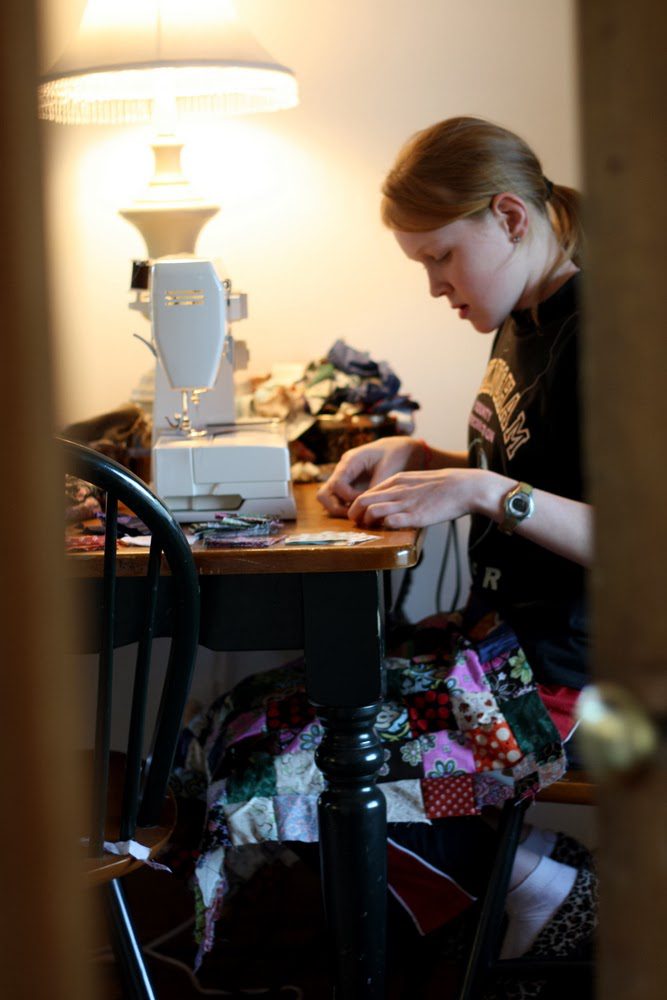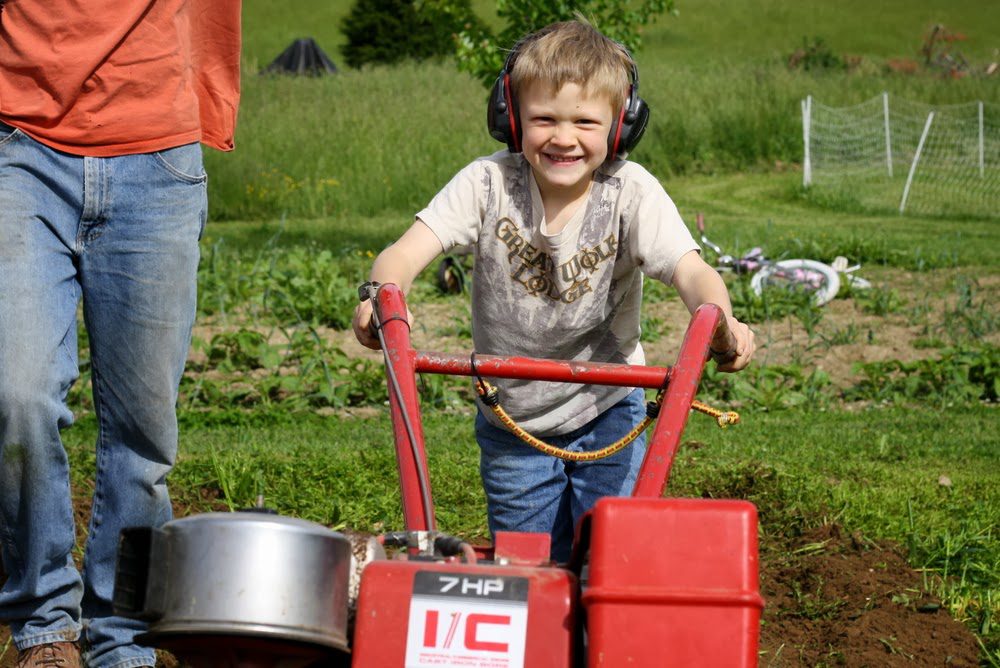
This latest Sunday school class, the one where we had a panel of homeschool parents, was both wonderful and frustrating.
It was wonderful because the panel participants reflected a wide range of homeschool practices and approaches and were concise and deeply personal in the sharing of them. It was also wonderful because the room was filled with people who listened hard and asked thoughtful questions. The frustrating part was that the post-panel conversation never got to the heart of education: learning.
This is curious. Because if, in a conversation specifically dedicated to education, a group of people (academics, no less!) can completely sidestep the central reason for an educational system—teaching knowledge to our children—maybe learning isn’t what education is all about? Wouldn’t that be something.
Back when I met with the Sunday school class leaders—two friends who are advocates of the public school system—I found myself struggling to explain why lumping homeschooling in with public and private schooling felt wrong. It was like a question on an achievement test: circle the one item in the group that doesn’t belong. In this case, the answer, of course, would be homeschooling.
See, when discussing public and private schooling, the conversation takes place within a framework of Institution. But homeschooling is outside of that framework. Homeschooling takes the concept of education and strips away all the trappings. As a result, the conversation immediately becomes extremely basic: what is learning and how do we go about doing it?
Except that we can’t get to that conversation!
In the class response time, I sensed a deep opposition to and anxiety about homeschooling from a few of the people. I’m beginning to wonder if these strong emotions might be a result of our Anabaptist/Mennonite history.
See, a few generations back, the Mennonite church separated itself from the world by dress (for those of you who aren’t familiar with Mennonites, think Amish but not quite). After a couple generations, the church stopped with the head coverings and cape dresses and became “worldly” again, but then the church struggled with how to be relevant to the world. For some Mennonites (as well as for many other Christians regardless of denomination) (so maybe this is a Christian issue?), transforming the country’s institutions, such as the public school system, through hands-on involvement became tremendously important. As a result, when church members pull their children out of the school system to educate at home, to these social justice minded Mennonites it feels like the church is, once again, in danger of becoming irrelevant.
Of course, I don’t know this for a fact. I’m just wondering.
Funny thing is, none of the parents on the panel decided to homeschool out of opposition to the school system. They just wanted to teach their children at home.
People who opt out of the school system are no more shunning society than people who plant vegetable gardens. Sure, some people are delightfully radical about their vegetables; they grow food so they can be self-reliant, or because they feel it is their moral and ethical responsibility. But more often then not, people (even the ones who are radical about it) grow vegetables because they find joy in coaxing food from dirt.
Newsflash: plucking onions from the soil with your own two dirty hands instead of purchasing them in a plastic mesh bag under florescent lighting doesn’t make a person irrelevant to society. It makes a person a gardener.
Isn’t it the freedom to discover what brings us joy at the heart of a healthy society? Aren’t our very differences—our lifestyle choices, religious practices, and values—what makes us interesting?
Homeschooling is simply a different way of educating our children. It’s a personal choice, and that, in itself, is enough to make it a relevant one.