• starfruit smoothie

    Recently, heaped baskets of starfruit, or carambola, have infiltrated the market. I never worked with starfruit before. And up until this year, I don’t think I had ever tasted one, either.

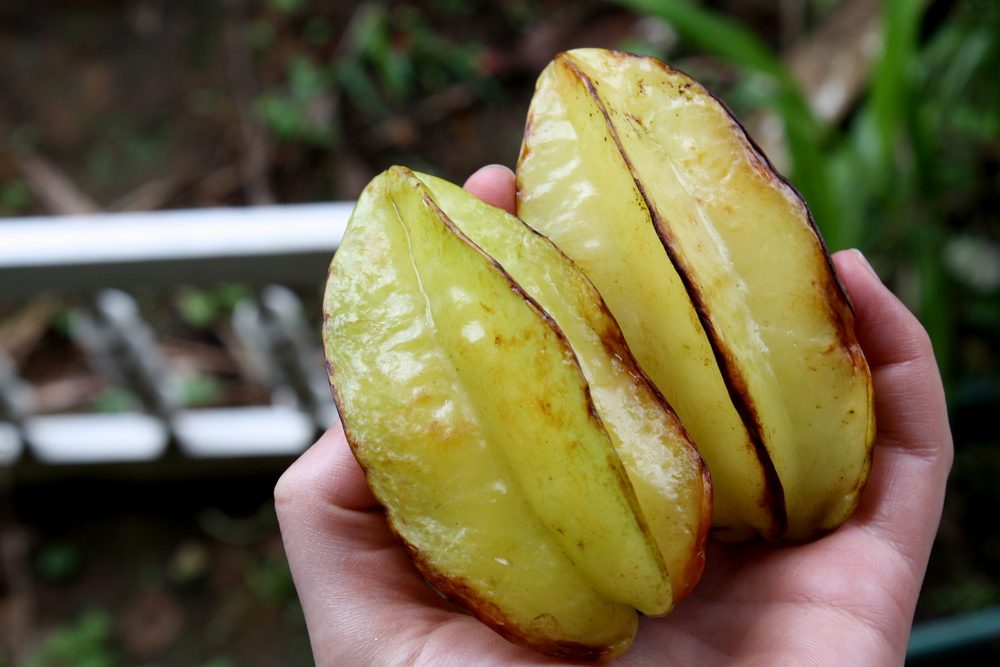
    perfectly ripe: yellow, firm, and tinged with brown

    We had starfruit smoothies in Masaya and were quite smitten by the sliver of starfruit perched on the lip of the glass. It lent a magical quality to the whole affair. Like maybe there were fairies hovering by the blender.

    Starfruit and pitaya: it doesn’t get more tropical than this.

    The smoothies were delicious, and the raw fruit garnish tasted good, too. Crisp, juicy, and clean. They say starfruit is like a cross between apples and grapes in both taste and texture. It sounds complicated, but it’s true. Take one bite and you’ll see.

    Since I was a novice at handling starfruit, I first watched two youtube videos—one on how to cut up a starfruit and the other on how to use it in a smoothie—before proceeding. I thought it’d be a tricky process, what with the five pointy sides. But it’s really quite easy.

    First, wash the fruit.

    Second, chop off the ends as you do a cucumber.

    Third, run a knife along each of the five ridges to remove the peak of each strip. You can eat the entire fruit, but that part is a little on the tough side.

    Fourth, slice the fruit into rounds, er, stars.

    Fifth, using a knife, poke out the seeds. The seeds are edible, but we’re aiming for a creamy smoothie, so out they go.

    Once you have a cup or two of stars, you can eat them straight up or toss them in the blender with any combination of fruit. I did a simple smoothie—bananas, starfruit, sugar, and milk—but there are so many wonderful options. Use coconut milk or yogurt in place of the milk. Or add in a mango, strawberries, or fresh pineapple.

    The starfruit gives the smoothie some tang and a boost of light brightness. And, according to wiki, lots of good stuff like potassium, antioxidants, and vitamin C. (Oh, and wiki says the fruit tastes like a mix between apples, grapes, pears, and citrus. In other words, it’s an entire fruit salad unto itself.)

    I want to purchase more carambola and use them in cooking…though I’m not sure how. Do any of you have experience working with this fruit? Any good recipes to share?

    Starfruit Smoothie

    2 starfruit, prepped, seeded, and sliced, several slices reserved for garnish
    3 bananas, frozen
    2-3 tablespoons sugar
    1½ – 2 cups milk

    Dump all ingredients into a blender and whirl until smooth. Divide between 3 or 4 glasses. Garnish each glass with a fruity star, pop in a straw, and serve.

  • from market to table

    Friday morning, my husband and I walked into town. It was raining. We were both wielding umbrellas which made companionable walking a bit of a challenge. No one lost an eye, though.

    Once in town, we went our separate ways: him to pick up a box at the bus station and me to squeeze my way through the market and juggle money, list, umbrella, and big heavy bags of produce.

    Fridays have become my main market day. We stop by the market for necessities on a daily basis, but even so, by the end of the week the refrigerator is pretty bare. All the vegetables and fruit that we eat come into our home in raw form and only as much as we can carry comfortably in our hands or haul in a taxi. In other words—and I’ve said this before—there is no stockpiling bushels of potatoes, canning up jars of spaghetti sauce and peaches, or freezing bags of broccoli and blueberries.

    This means there is nothing to pull from when making a meal. You want a green vegetable? Then buy a pound of green beans, snap them, and cook them up. Some fruit to round out a meal? Get a pineapple and chop it up.

    It’s taken me about seven months to get used to this new form of buying and cooking. I think I’m finally catching on.

    Wednesday and Thursday are busy days at Bezaleel, leaving me with hardly any time to cook, let alone forage for food. So come Friday, the market is a priority.

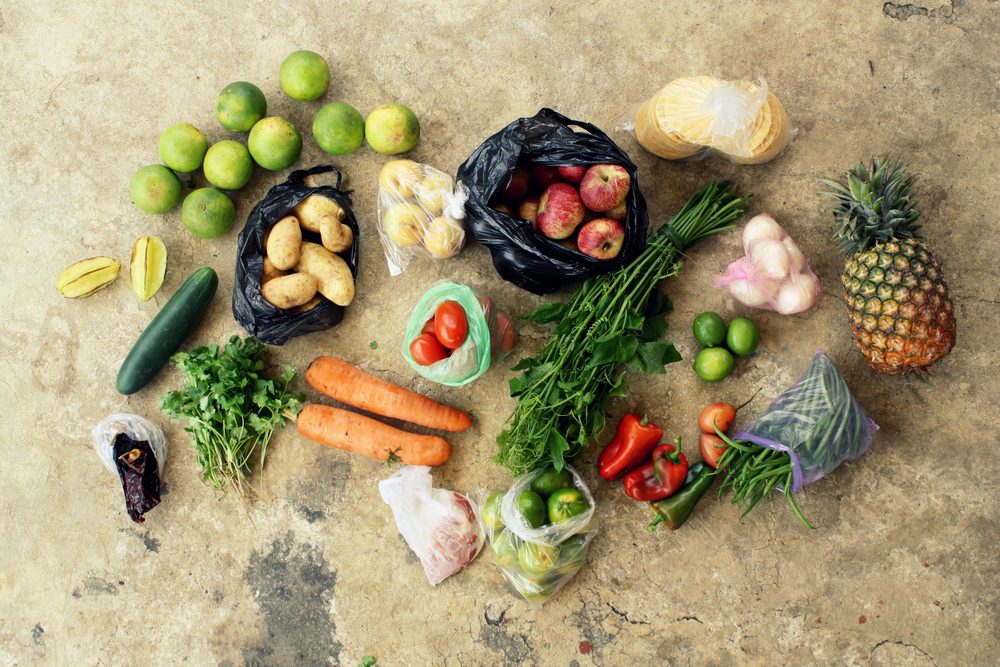
    Here’s what I picked up last week: 9 oranges, 3 pounds of potatoes, 4 pounds of apples, 1 bunch of squash leaves, 1 pineapple, 1 pound of onions, 2 pounds of tomatoes, 2 starfruit, 1 bag of tostados, 2 carrots, 1 cucumber, 1 bunch of cilantro, 10 mandarin oranges, 3 limes, 2 tree tomatoes, 3 peppers, 1 pound of green beans, 4 peaches, 1 tayuyo, and 1 ounce of dried chilis,

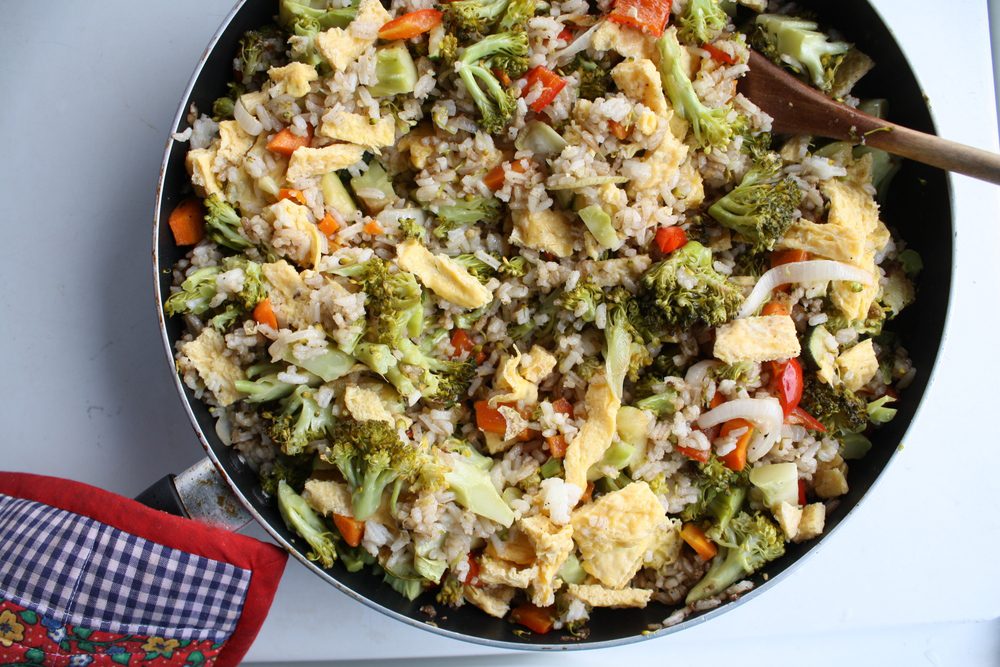
    After the kids got home from school, I spent the next several hours getting the food a step closer to being edible. I made a chili sauce, cut up a carrot for the kids’ snack, stewed the squash leaves into a soup (more on that later), cooked a pot of rice, and roasted some onions, peppers, carrots, zucchini, and a giant head of broccoli for the supper’s stir-fry. I also made a zucchini cake.

    Saturday morning, the cooking storm continued with bread, a big pot of dried beans with onions, garlic, and dried chilis, pie crust (so an apple pie is just that much closer to being a reality!), and starfruit smoothies. I also put away the granola I had started the morning before. Oh, and there were breakfast pancakes, too.

    There is still a lot of work to do to finish readying the market purchases for consumption: cutting up the pineapple (a simple task, but one I hate), that pie, snapping the green beans, and figuring out a plan for the potatoes, peaches, cilantro, limes, tomatoes, cucumbers, and carrots. But at least I’ve made a dent. The new week will begin with a well-stocked refrigerator—full of both cooked food and produce—and an overflowing fruit bowl.

    For sure, I think longingly of my freezers back home. Two big ones filled with containers of soup and pesto, bags of broccoli and peas and corn, jars of meatballs and roasted tomatoes, boxes of strawberries and applesauce! Just thaw, heat, and eat! What a novelty! What a luxury!

    However, when I leave here I’ll probably miss the abundance of fresh food and the simplicity of having all my cooking options laid out right before my eyes on the concrete patio floor, no secrets, no surprises.

    Neither style is easy. Both take work. In Virginia, my summers are crammed with growing, harvesting, and putting up. In Guatemala, I do it from scratch (minus the growing, thank goodness) on a daily basis.

    What’s your method for getting fruits and veggies to the supper table? Do you buy lots of produce on a weekly basis, year round, cooking it up as you go? Or do you prefer to stockpile for quick meals?
  • easy french bread

    Five years of blogging and I have never posted my favorite basic bread recipe. I am chagrined. Woe, woe, and more woe.

    This is the recipe I turn to when I’m teaching newbies, when I want bread fast (it takes three hours from start to finish, BAM), and when I want something to impress guests. Because there’s nothing like thick slabs of fresh bread with lots of butter and homemade jam to wow the masses.

    bread making, in Virginia

    I had each of my older two children make this bread when they stayed home from school last week. My older daughter has made this recipe on several different occasions, but my son, I was scandalized to learn, not only had never made it before, he had never kneaded bread before. Woe!

    His bread didn’t turn out that great. It didn’t have enough salt (my fault—I wasn’t watching him measure), and then it was underbaked (again, my fault). (But, you’ll be proud to know, I exercised restraint and didn’t jump on it.)

    My daughter’s bread turned out fine. She made half the dough into butterhorns and was quite pleased with herself.

    This semester, we are tackling yeast breads in my baking class. This is, of course, the first recipe I taught them.

    Up until now, they’ve had no idea what yeast was nor had they ever kneaded dough.

    For being complete novices, the buns (for that is what we shaped the dough into) turned out marvelously. We sold out in mere minutes.

    mock French bread loaves from my Virginia kitchen

    Lately, I’ve been making this recipe almost daily. Mid-afternoon, I mix up the dough and set it to rise. Towards suppertime, I shape the dough and then let it rest while I pull together the main dish. While kids are showering and the table is being set, the rolls bake. We eat one pan of rolls with our meal, saving the second pan of rolls (or loaf of bread) for the next day’s lunch sandwiches.

    Easy French Bread
    Adapted from The More-with-Less Cookbook.

    Confession: it bothers me that this recipe is called “French bread” because I think of French bread as crusty on the outside and chewy with lots of holes on the inside. This is not that French bread—it’s just a good, simple bread. That’s all.

    The recipe is flexible. Some of my common changes:

    *doubling the sugar (shh!)
    *subbing some of the white flour with a couple cups of whole wheat
    *adding leftover cooked oatmeal
    *using milk instead of water
    *using honey (or brown sugar or molasses) in place of sugar
    *tossing in some flaxmeal, wheat germ, or wheat bran
    *instead of oil, using butter or shortening

    This bread is best eaten the same day it’s made, though leftovers work fine for sandwiches, toast, grilled cheese, French toast, and baked French toast. Lots of French cooking going on around here…

    2 tablespoons yeast
    ½ cup warm water
    pinch of sugar
    2 tablespoons sugar
    2 teaspoons salt
    2 tablespoons oil
    2 cups water (boiling, if melting butter or soaking oats)
    7-8 cups bread flour

    In a small bowl, combine the yeast, the half cup of warm water, and pinch of sugar (to make the yeast ecstatic). Set aside for about five minutes or until frothy.

    In a large bowl, combine the two tablespoons sugar, salt, oil, and the two cups of water. Stir well and, if using hot water, let it sit until lukewarm so as not to murder the ecstatic yeast. Add the yeast and a couple more cups of flour. Stir, continuing to add more flour until the dough is stiff enough to be kneaded. Don’t add too much flour, though! The trick is to keep the dough a little wet and supple—too much flour and it turns into a rock-hard, unyielding lump of frustration. (My daughter added too much flour this last time and I had to knead in water to loosen it up. Not fun.)

    Knead the dough until smooth and elasticky, five to ten minutes worth of arm exercise. Dust the bottom of the still-dirty bread bowl with flour and put the dough back in it. Sprinkle with a little more flour and cover with a cloth. Let the dough rise until double—this should take 45 minutes to an hour.

    Shape the dough as desired (see below), let rise until slightly poofy but not doubled (or it will collapse in the oven), and bake in a 350 degree oven until golden brown.

    Options
    *Basic loaves: divide the dough in half, shape into loaves, and place, seam-side down, in two greased loaf pans.
    *(mock) French bread loaves: divide the dough in half and shape into long loaves, about 12 inches long. Place seam-side down on a greased baking tray, leaving 3 or 4 inches between the loaves. Sprinkle the tops with flour before making 4 or 5 quarter-inch slashes in each loaf.
    *Dinner rolls: shape into 24 rolls and place in greased baking dishes. Beat an egg together with a tablespoon of water. Brush the the tops of the rolls with the egg wash. Sprinkle the rolls with sesame seeds, poppy seeds, rolled oats, etc.
    *Butterhorns: divide the dough in half. Roll out one of the halves into a large circle between 12 and 16 inches in diameter. Brush several tablespoons of soft butter over the dough. Using a sharp knife, cut the dough into 12-16 pizza wedges. Working with one wedge and starting from the wide end, roll it up. Place the butterhorn, pointy tip underneath, on a greased baking sheet. Repeat with the remaining wedges and dough. Immediately after pulling the hot rolls from the oven, brush the tops with melted butter. 
    *Et cetera: such as cloverleaf rolls and emergency sweet rolls, yum.