• the quotidian (4.9.12)

    Quotidian: daily, usual or customary;
    everyday; ordinary; commonplace

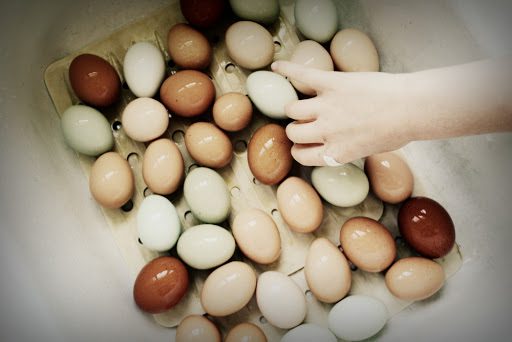
    Eggs: it’s the kids’ job to collect, wash, and box them.

    We’ve been having night after night of frost warnings, so covering up the strawberries, lettuce, and tomatoes (what’s left of them) has become an evening ritual. The other night my husband and I didn’t remember until 11 pm—while he pitchforked straw over the berries, I sang them a lullaby.

    cold nights make for cozy mornings: the boy and the cat

    Spring break means lots of time with friends: if they had their druthers, these two girls would be together all the time.

    a favorite pastime: measuring each other, and then…

    figuring out where they are on the charts (both my boys are off them, height-wise)

    Date night out: we ushered for Dido, Queen of Carthage
    (that’s right—now my husband is an usher, too!)

    Don’t you take stuffed animals along on your date night? (The kids were playing in the van earlier that day. If anyone would’ve looked in the van windows, I’m sure they wouldn’t thought we were completely batty.)

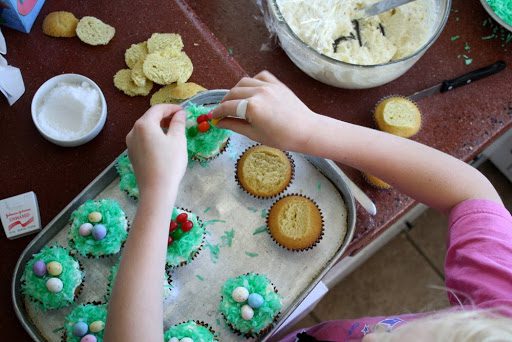
    Easter cupcakes
    (fyi, my mother is unimpressed with my new yellow cake recipe and now I’m second guessing myself. If I decide to recant, you’ll be the first to know.)

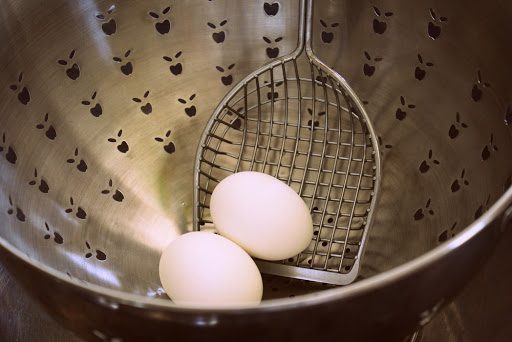
    boiled eggs, awaiting color

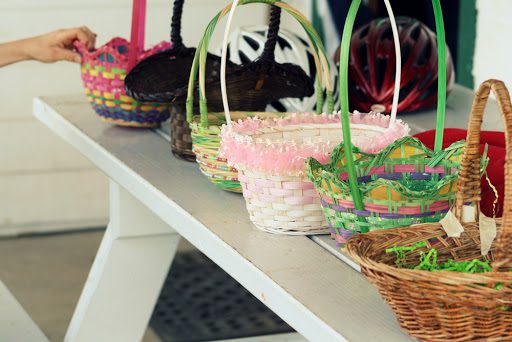
    Easter baskets at the ready

    getting their directions

    The hunt begins!

    Aw, shucks, guys. I couldn’t help myself. I only ate one…

    counting her prizes (and then quietly helping herself to the other kids’ baskets, much to their consternation and our amusement)

    What’s funny about this picture? Can you see it?

    This same time, years previous: this slow, wet day, in which I post an excessive amount of pictures, asparagus with lemon and butter, cream of tomato soup

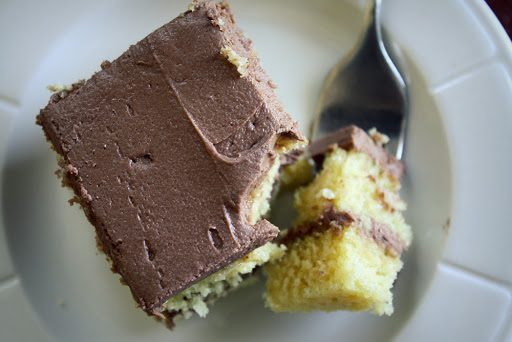
  • yellow cake

    “Buttercup Cake” was the name of the yellow cake that I grew up making and eating and enjoying. It was nice, but that was the problem, see. It was just…nice.

    “Nice” is friendly, “nice” is good, “nice” is innocuous and sweet and actually kind of boring. I wanted my yellow cake to be a little more…energetic. A bit more definitive. “Stellar,” maybe, or “tiptop.” If I was lucky, “striking” and “luscious” would be appropriate adjectives, too.

    This week I found the yellow cake recipe I have been yearning for. I wasn’t looking for it, mind you, but Wednesday morning it arrived in my mailbox nonetheless. A couple hours later a gorgeous yellow cake was cooling on the table.

    Then I made it again. And again—the last time in the form of cupcakes (that are waiting to be iced with this frosting and then sprinkled with coconut and topped with marshmallow peeps and jellybeans). I have the recipe memorized.

    What makes this cake so special?

    1. The flavor: mild and sweet with a good hit of vanilla and some depth from the buttermilk.

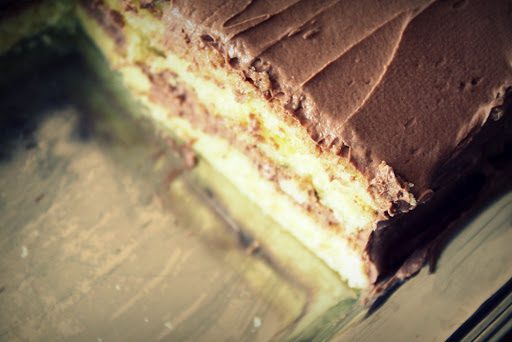
    2. The texture: moist, non-crumbly, tender. It’s kind of a cross between a pound cake and a sponge—the perfect cake to cut and layer and carve and shape…if you’re into that sort of thing. Which I’m not. But at least now I have the option.

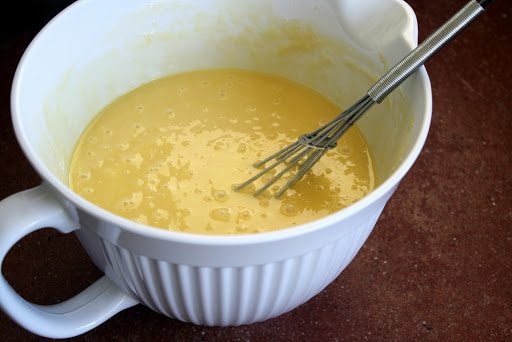
    3. The method: no beaters! Just a whisk. So simple and whippy-ippy-fast.

    Do you have a favorite yellow cake recipe?

    Yellow Cake
    Adapted from the Amish Cook’s weekly newspaper column.

    If using unsalted butter, increase the salt to a scant ½ teaspoon.

    2 2/3 cups flour
    2 cups sugar
    pinch of salt
    1 cup water
    1 cup (2 sticks) butter
    2 eggs, beaten
    2/3 cup buttermilk
    2 teaspoons vanilla
    1 ½ teaspoons baking soda

    Whisk the first three ingredients together in a large bowl.

    In a small saucepan, bring the water to a boil and add the butter. Simmer until the butter is melted. Stir the hot water-butter mixture into the flour mixture and whisk well.

    Combine the remaining four ingredients in a small bowl and whisk into the flour-butter mixture.

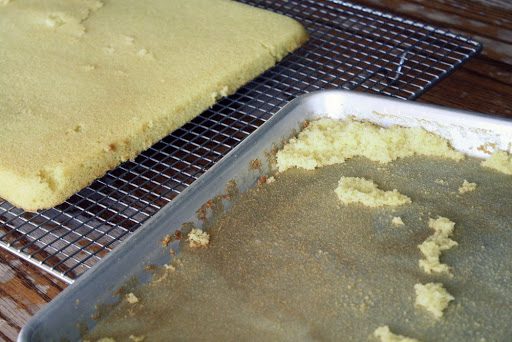
    Pour the cake batter into a greased pan (jellyroll, 9×13, 2 round 9-inch, muffin tins, etc) and bake at 325 degrees for 20-30 minutes or until a toothpick inserted in the thickest part of the cake comes out clean.

    Cool the cake for 10 minutes before inverting onto a rack. Cool to room temperature before frosting (I used this classic chocolate frosting).

    This same time, years previous: daffodils and horses, my baby’s faces, writing it out, in regards to marriage, cardamom orange buns

  • cup cheese

    I have a new recipe to share with you: cup cheese.

    Best I can tell, cup cheese (or soda cheese) is native to Lancaster County, the land of the Pennsylvania Dutch Mennonite dairy farmers, but the first ten years of my life were spent in Lancaster Country and I never encountered cup cheese, so I’m not for sure about that. The cheese is made with soured milk—via a process of heating, straining, melting—and with the addition of several common kitchen ingredients.

    The strange thing is, I’m not sure whether I like the cheese or not, and promoting a non-favorite recipe on my blog feels a little weird. But I’m going to do it anyway because 1) the recipe is way cool to make, and 2) people who grow up with this stuff are crazy about it, and 3) with a few recipe tweaks (that I have yet to try but have included below), I may decide I’m crazy about it, too.

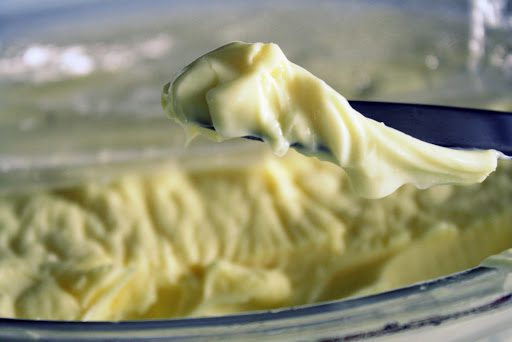
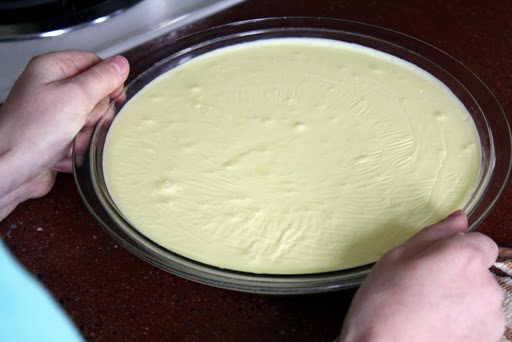
    And I really want to be crazy about it. The stuff is awesome, some of the most satiny, creamy, spreadable, scoopable cheese you can imagine. It’s glorious to behold.

    The problem (for me, anyway) lies in the flavor. My cheese was on the funky side, I do believe. But since I’ve never tasted cup cheese before and had nothing to compare it to, I’m not for certain about that. However, I think I know why it turned out strong and how I might make it less strong.

    Also, my kids, while not head-over-heels in love with the cheese, are open to it, so it may be worth a redo just so as adults they can say they grew up with the stuff and are crazy about it.

    This is not a hard cheese to make, though it felt hard because it was my first time and I was super-vigilant throughout the whole process (which is lengthy but doesn’t involve much active work time). The main trick is getting the milk to sour. I read that raw milk will sour in about 48 hours if left to sit on the counter. After 24 hours, my milk was smelling strong but not thick so I added a cup of buttermilk. Another 24 hours and it was ready to go. Next time (and what I say to do in the recipe), I’ll heat the milk to room temperature and add the buttermilk at the very beginning—hopefully that will cut back on the funk.

    This cheese has an incredible texture, creamy-smooth like peanut butter, and a luxurious richness to rival cream cheese. It’s amazing stuff, really. Most people eat it spread on bread like butter, but I think it could be mixed with all sorts of things (fresh herbs, chopped ham, boiled eggs, capers, radishes, etc) to make exciting dips and spreads.

    Have you ever had cup cheese? What did you think about it?

    Cup Cheese (a.k.a Soda Cheese)
    Adapted from a recipe my friend Kathy sent me, as well from the recipes I found in Home Cheese Making by Ricki Carroll and Mennonite Country-Style Recipes by Esther H. Shank

    1 gallon raw milk
    1 cup buttermilk
    ½ teaspoon baking soda
    3 tablespoons melted butter
    1 cup cream
    1 egg, beaten
    1 teaspoon salt

    Pour the milk into a large kettle and heat over medium heat until slightly warm. Remove from the heat and stir in the buttermilk. Lid the pan and set aside until the milk is thick enough to cut with a knife—about 36-48 hours. Skim off the thick sour cream and reserve for some other baking project.

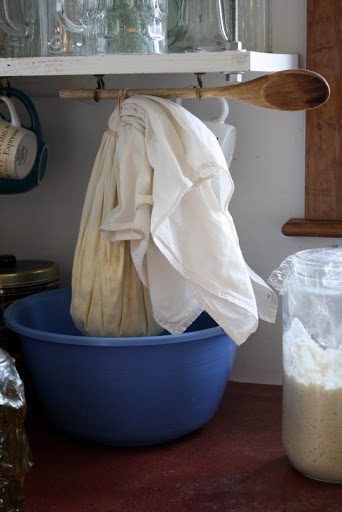
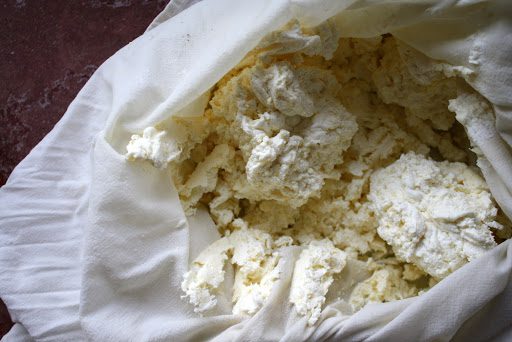
    Cut the curds into ½ -inch cubes with a knife. Heat the milk to 115 to 130 degrees, stirring gently. Remove from the heat (or, if you want your curds to be firmer, keep the milk at that temperature for up to an hour) and separate the curds and whey by pouring the mixture into a cheesecloth-lined strainer. (Reserve the whey for other baking projects.) Tie up the corners of the cheesecloth and let the curds drain for 8 hours or overnight.

    Dump the curds into a bowl and mix in the baking soda and melted butter. Let sit at room temperature for 4-5 hours.

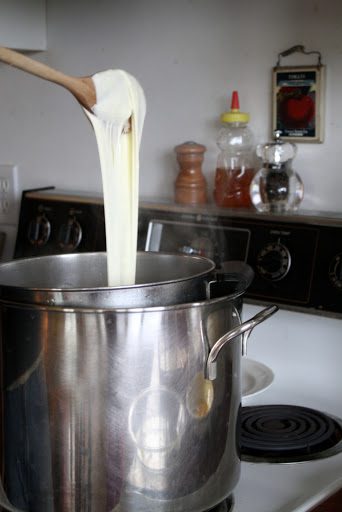
    Put the curds into the top part of a double boiler (I set a smaller kettle inside a larger one), making sure the top part is not touching the boiling water. Melt the curds, stirring occasionally. Once the curds are melted (they’ll be creamy-smooth and stringy, like melted marshmallows), add the beaten egg, cream, and salt. Bring the cheese to a boil (mine never got there—I just cooked it for awhile) and pour into dishes. Cover and refrigerate. Serve with crackers, bread, etc.

    This same time, years previous: now, he wore a dresschickpeas with spinach, the case of the flying book, spinach-cheese crepes, and skillet-blackened asparagus